10 things every parent and teacher should know about young people’s digital lives
Published on 4 min read
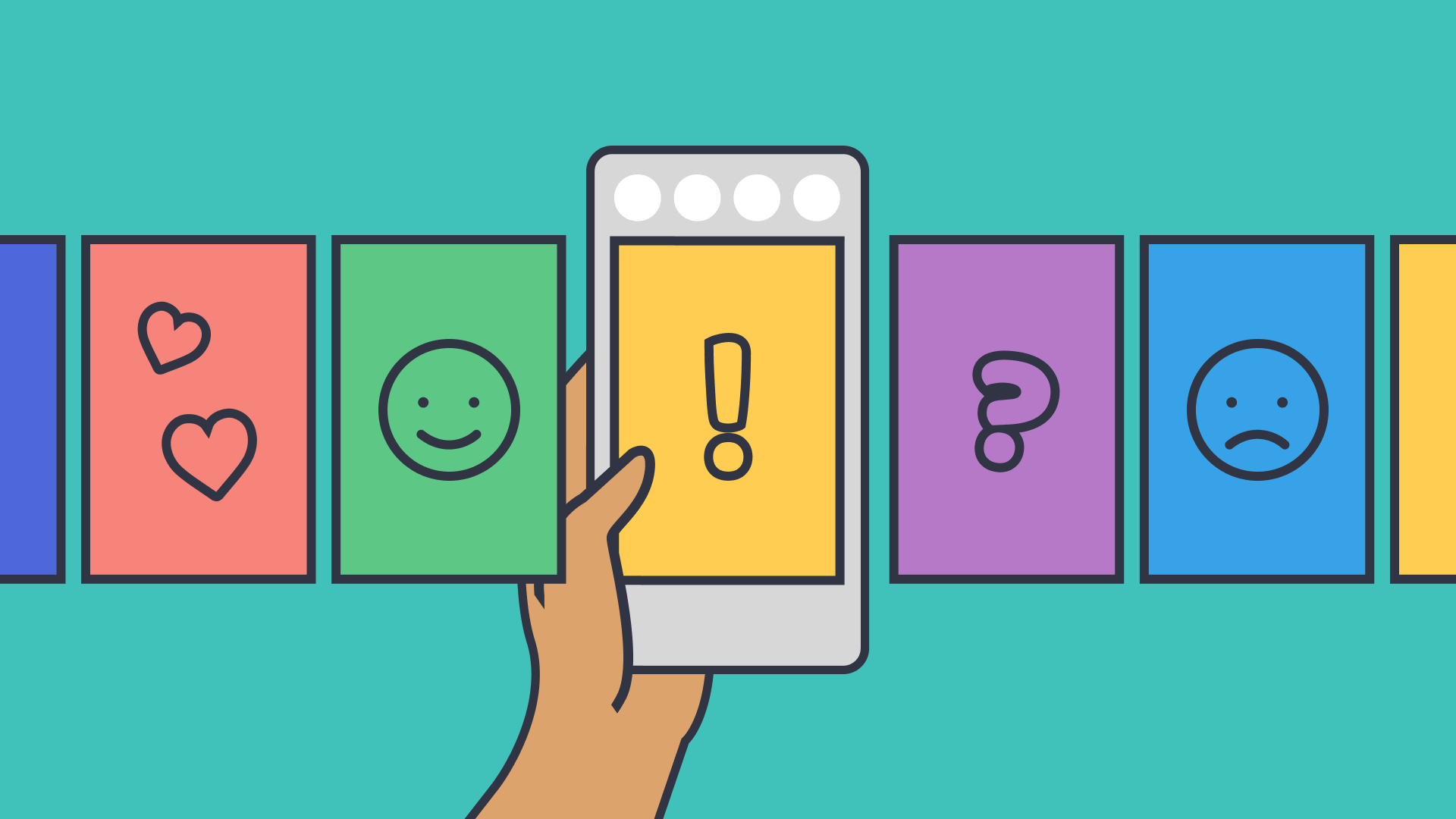
For many adults, social media still looks much the same as it did when we first encountered it — a place to share updates, follow friends, and occasionally lose time scrolling. But the digital world young people inhabit today is fundamentally different.
In Australia, the world’s first social media ban for children under 16 came into effect at the end of 2025, reshaping how young people access online platforms and prompting countries such as Spain and Malaysia to follow, while others — including France, Denmark, and New Zealand — actively consider similar restrictions.
As parents, teachers, and schools adjust to these changes, it’s more important than ever to understand why these decisions are being made and what they aim to address. To support young people well, we need to look beyond individual apps and consider how social media actually works today — how content is delivered, how influence operates, and how online experiences shape behaviour, wellbeing, and learning.
Here are ten things every parent and teacher should know about how young people experience social media.
1. Social media today is driven by algorithms, not friends
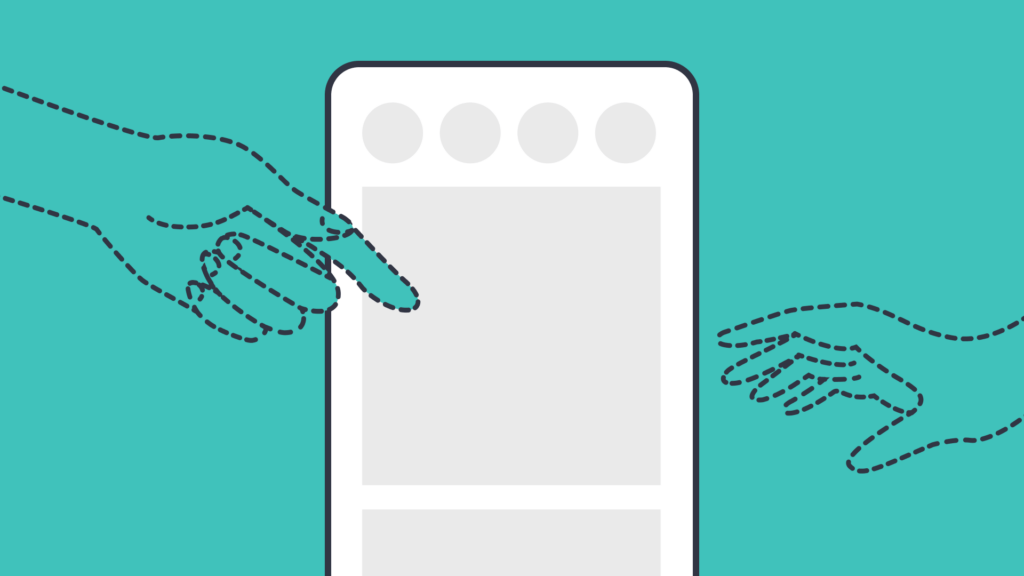
Young people’s feeds are no longer shaped primarily by who they follow. Instead, algorithms decide what they see based on what keeps them watching, clicking or reacting.
This means content can escalate quickly — from harmless videos to extreme, misleading or distressing material — without the young person actively seeking it out.
2. YouTube is a social media platform
Many adults don’t think of YouTube as social media, but for young people, it functions exactly like one.
It uses recommendation algorithms, autoplay, comments, likes and creator subscriptions — all designed to keep users engaged. For students, YouTube is often the primary social platform they use.
3. Young people don’t “search” the internet the way adults do
Older generations were taught to search, evaluate and choose. Young people are more likely to receive content passively through recommendations.
What appears in their feed feels random — but it’s not. It’s shaped by previous viewing behaviour, even brief or accidental interactions.
4. Popular platforms change faster than adults realise
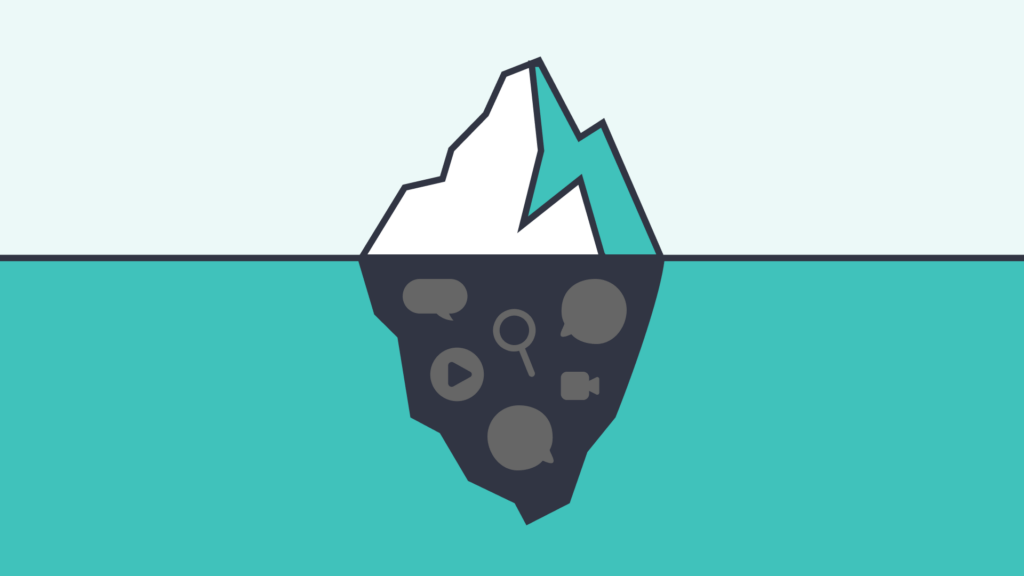
The platforms young people spend time on today may not be the ones adults are familiar with. Alongside YouTube, students engage heavily with short-form video platforms, private messaging apps, gaming-based social spaces and creator-led channels.
By the time adults feel confident about one platform, students may already have moved on.
5. Private spaces are where the hardest things happen
Much of young people’s digital lives now take place in private or semi-private spaces — group chats, direct messages, live streams and comment threads.
These are harder for adults to see, but they’re often where peer pressure, bullying, exposure to harmful content and risky behaviour occur.
6. Online experiences feel real — because they are
The emotional impact of digital interactions is real. Likes, comments, views and shares can affect self-worth, identity and belonging in powerful ways.
Dismissing online experiences as “not real life” can unintentionally shut down important conversations.
7. The line between entertainment, advertising and influence is blurred
Influencers, creators and sponsored content are deeply embedded in young people’s feeds — often without clear signals about what’s promotional and what isn’t.
Media literacy is essential for helping students recognise persuasion, bias and commercial intent.
8. Age limits don’t equal readiness
Turning 16 doesn’t suddenly make a young person digitally mature. Readiness depends on skills like critical thinking, emotional regulation, self-awareness and knowing when to seek help.
These skills must be taught and practised well before access expands.
9. Young people learn from what adults model
Students notice contradictions. When adults warn against certain platforms but rely on them for learning or communication, it creates mixed messages.
Modelling intentional, ethical digital behaviour matters just as much as setting rules.
10. Conversations matter more than controls
Parental controls and school policies play a role, but they are not enough on their own. Young people need safe, ongoing conversations with trusted adults — before problems arise, not just after.
Asking open questions, listening without judgement and learning alongside young people builds trust and resilience.
Moving forward together
Whether you live in a country that has introduced age restrictions, is considering them, or has chosen not to regulate social media use at all, one thing remains true: young people need guidance. Understanding how social media actually works — how content is delivered, how influence operates, and how online experiences affect wellbeing — is key to equipping them with the skills they need to navigate the digital world safely and confidently, regardless of the age at which they gain access.
Algorithms will continue to change. Platforms will evolve. But the skills young people need — discernment, critical thinking and confidence — will last far longer.
To help young people better understand social media — including the reasons behind age restrictions, the risks involved, and the skills they need to navigate it safely — ClickView has created a new series called The Social Media Trap. Explore the series on ClickView to support meaningful conversations at school and at home.
Ready to prepare your school for media literacy? Reach out to our friendly ClickView team to see how we can help you.
Share to

Rachel Dunne
briefcase iconPartnerships and Marketing Manager
Rachel Dunne is a passionate educator and marketer with a deep belief in the power of technology to enhance student engagement, collaboration, and creativity. With over a decade of experience as a primary teacher and education consultant, she has seen firsthand how technology empowers teachers to better understand their students and personalize learning for every individual.
Other posts

Want more content like this?
Subscribe for blog updates, monthly video releases, trending topics, and exclusive content delivered straight to your inbox.