
Leveling the Playing Field: How Virtual Field Trips Support Rural Classrooms
Published on 3 min read


Rural students are just as curious, capable, and motivated as any others. But geography can limit what they get to see, explore, and experience.
Tom Burns saw this firsthand during more than 20 years as a superintendent in one of the most geographically isolated regions of New York State. His focus was always practical: ensuring rural students had access to the same learning opportunities as their peers, regardless of location.
For many rural schools, traditional field trips are difficult to run. Distance, cost, staffing, and time often make them unrealistic. Even when teachers want to offer more experiences, the logistics can get in the way.
That’s where virtual field trips make a real difference.
Virtual field trips bring real‑world learning into the classroom, removing geography as a barrier and making opportunity more consistent for students.
What are virtual field trips?
Virtual field trips use video and live streaming to connect students with museums, research labs, cultural institutions, and workplaces, without leaving school.
Live sessions allow students to meet experts, ask questions, and take part in interactive learning. Recorded options give teachers flexibility to revisit content and tailor lessons to different needs.
From Tom’s perspective, virtual field trips were not about replacing great teaching or meaningful in‑person experiences. They were about expanding what rural schools could realistically offer.
Rural students often don’t get access to experts that these types of field trips can provide,” says Tom. “They’re an entryway into critical thinking and helps foster that kind of thinking in geographically isolated areas. Rural students also don’t often see or hear diversity in their own communities. These field trips give students the opportunity to experience diversity, which is important if they’re going to go on to leave their local communities.
Why virtual field trips matter for rural schools
Expanded access and opportunity
Many rural schools are far from universities and cultural institutions. Virtual field trips give students exposure to careers, ideas, and perspectives they might not otherwise encounter. Tom consistently saw how this kind of exposure boosted student confidence and ambition.
Stronger engagement and learning
Live interaction keeps students focused and curious. Asking questions and engaging with experts deepens understanding and gives teachers insight into how students are thinking, not just what they remember.
Broader perspective
Virtual experiences allow students to connect with people from different backgrounds and communities, helping prepare them for life beyond their local area while learning from the comfort of their classroom.
Supporting teachers, not adding workload
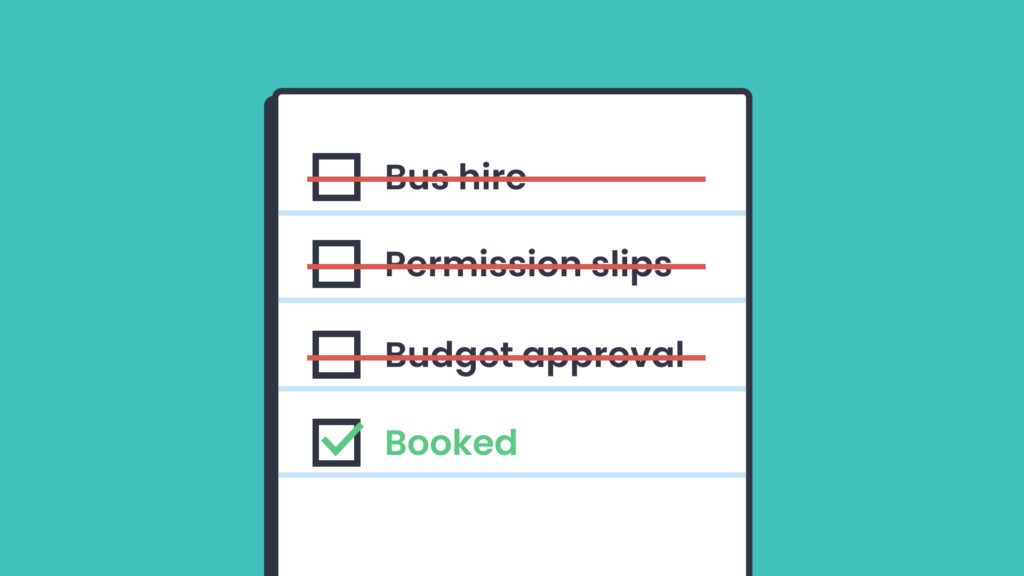
Virtual field trips are designed to be simple and practical. There are no buses, permission slips, or complex logistics. Teachers can easily book and deliver experiences, an important benefit for schools with limited staff and resources.
Flexible live and recorded options allow teachers to control timing and pacing. A variety of engaging video formats supports different learning styles and keeps lessons fresh and relevant.
Most importantly, live sessions encourage deeper learning. Students ask questions, teachers model inquiry, and discussions build critical thinking—helping students become active participants, not passive viewers.
A realistic model for rural districts
For rural leaders, feasibility matters.
Per‑student pricing supports small districts. Consistent access throughout the year makes opportunity reliable, not occasional. Teachers can curate experiences that align directly with curriculum goals.
Opportunity should be dependable, not rare.
The bottom line
Rural students deserve the same access to inspiring learning experiences as any others. Geography should not limit exposure, opportunity, or ambition.
Virtual field trips help schools move from “we can’t offer that” to “now we can.” They inspire students, support teachers, and make learning more inclusive for every classroom.
Get access to virtual field trips for your district
Ready to bring the world into your classroom?
- Explore virtual field trips on Streamable Learning
- Choose one experience for your next lesson
- Share it with colleagues and build a curated library
Small steps can make a big difference for rural students.
Share to

Heather Burns
briefcase iconUS Marketing Manager
Heather Burns has spent more than a decade working in the K–12 technology space, partnering with schools to implement solutions that support teaching and learning. With a background in student development, she brings a student-centered lens to every initiative. Heather is especially passionate about the emotional and physical safety of students and believes technology should enhance, not complicate, the environments where young people grow.
Other posts


Want more content like this?
Subscribe for blog updates, monthly video releases, trending topics, and exclusive content delivered straight to your inbox.