Why U.S. schools are turning to social media bans, and what it means for students
Published on 8 min read
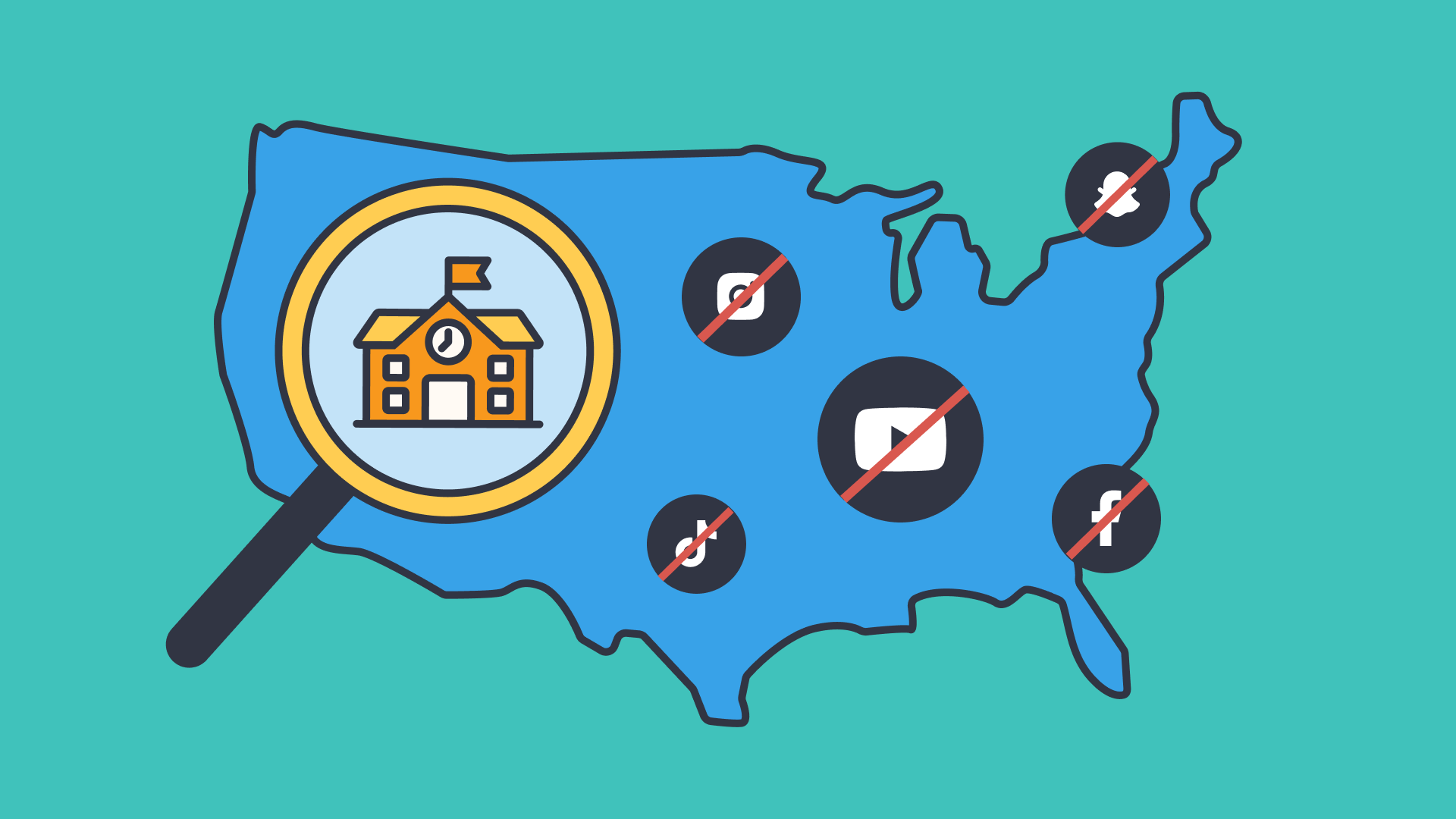
Social media has become a defining feature of adolescent life, but its presence in classrooms is increasingly under scrutiny. Across the U.S., states and districts are implementing restrictions on smartphones and social media platforms during school hours. This shift isn’t just about reducing distractions, it’s about safeguarding mental health, curbing bullying, and mitigating legal and educational risks.
The mental health connection
Research consistently links heavy social media use to significant mental‑health challenges among teens, and recent policy developments further underscore these concerns. States such as North Carolina and Tennessee now require schools to explicitly teach how social media platforms manipulate attention, shape emotions, and amplify harmful content, a clear national acknowledgement of the mental‑health risks driving school‑level restrictions (Media Literacy Now, 2026).
Data reinforces the urgency: the 2024 CDC Youth Risk Behavior Survey reports that 77% of U.S. high school students use social media several times a day, with frequent use associated with increased sadness, hopelessness, and heightened suicide risk (CDC, 2024). Similarly, the 2024 Health Behavior in School-aged Children (HBSC) study found strong correlations between exposure to cyberbullying, appearance pressures, misinformation, and harassment, and rising levels of depression, anxiety, and poor self‑rated health (Lahti et al., 2024).
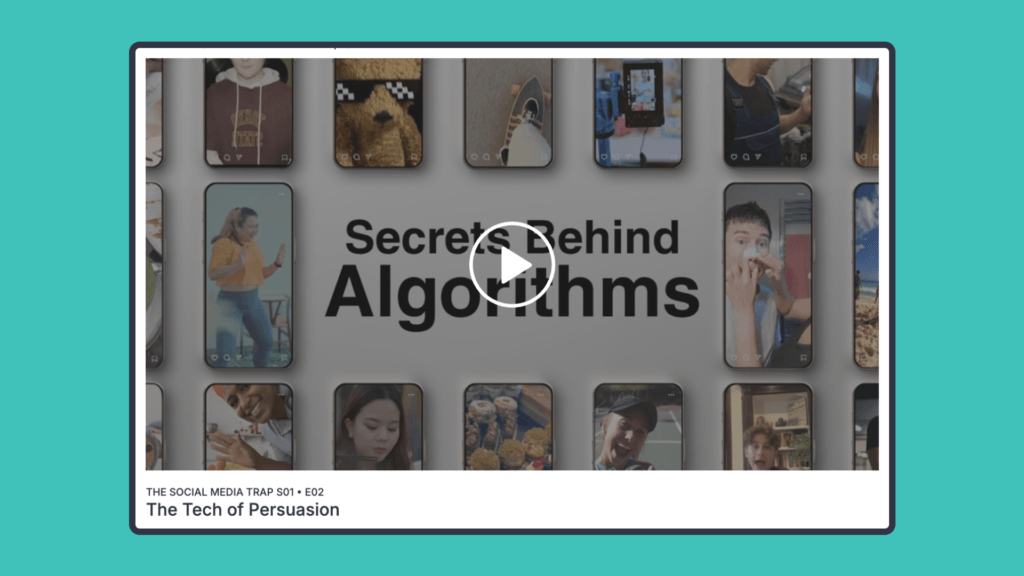
Platforms like YouTube, Instagram, and TikTok intensify these effects through algorithmic systems designed to maximize engagement, often by surfacing sensational, appearance‑focused, or emotionally charged content. The 2023 Surgeon General’s Advisory further warns that adolescents spending more than three hours per day online face double the risk of mental‑health problems and urges families, schools, and policymakers to limit excessive screen exposure (Health and Human Services, 2023).
In response to growing concerns, countries like Australia, Denmark and France are introducing sweeping measures to curb this trend, Australia has already banned social media for under-16s, while France and Denmark plan similar restrictions for younger teens starting in 2026.
What the experts say: Haidt and Horvath on digital childhood
Jonathan Haidt, in The Anxious Generation, says that smartphones and social media have changed childhood in ways we never expected. Instead of playing, spending time with friends, or building independence, many kids now spend large parts of their day on screens. He links this shift to the sharp rise in teen anxiety and depression and recommends simple, clear steps: phone‑free schools and waiting until at least age 16 before kids use social media.
Horvath’s The Digital Delusion adds another layer. He explains that constant notifications make it hard for kids to focus, learn, or stay calm. Social media also creates an “illusion of connection,” kids feel connected online, but in reality they often feel more alone, more judged, and more insecure. Horvath encourages “digital minimalism,” which means reducing unnecessary screen time and choosing real‑life interactions whenever possible.
These ideas aren’t just theory, they’re now shaping policy. Several states are introducing lessons on digital wellness, media literacy, and even AI literacy so students learn how these platforms influence their mood, behavior, and thinking. Together, Haidt and Horvath show that phone bans and limiting screen time aren’t about punishment. They’re about giving kids back what childhood should be: safer, healthier, and more connected to the real world.
Empirical evidence for bans
A growing body of research supports the effectiveness of phone bans:
- A 2024 study found that smartphone bans reduced bullying and boosted academic performance, with particularly strong gains for girls (Abrahamsson, 2024).
- A UConn study reported that Connecticut schools enforcing phone restrictions saw a 50% drop in office referrals and up to 40% fewer suspensions, highlighting the behavioural impact of reduced device access (Rohn, McCready, Farrell and Elgoharry, 2024).
- The U.S. Surgeon General, Dr. Vivek Murthy, has urged schools to adopt phone‑free classrooms to reduce distraction, loneliness, and escalating mental‑health risks among adolescents (Murthy, 2023).
- The Media Literacy Policy & Impact Report shows overwhelming public support for complementary solutions, with 84% of adults and 94% of teens endorsing media‑literacy education, indicating readiness for evidence‑based restrictions paired with skill‑building (Media Literacy Now, 2026).
Taken together, these findings reveal a system‑wide shift toward digital austerity: a recognition that unregulated smartphone use carries academic, behavioural, and emotional costs, and that schools play a critical role in creating healthier, more focused learning environments.
Legal risks: why schools are suing tech giants
The stakes aren’t just educational, they’re legal. More than 200 U.S. school districts have filed lawsuits against social media companies, alleging that platforms like TikTok, Instagram, and YouTube were designed to be addictive and harmful to youth mental health. These cases argue that schools have been forced to spend millions on mental health resources due to the impact of social media. While Section 230 protections complicate these lawsuits, courts have allowed some claims, such as defective design and failure to warn, to proceed (Koya, 2025).
Schools remain vulnerable to lawsuits over digital harm. States are responding preemptively: Alabama, Tennessee, and others link device restrictions with mandatory instruction on safe media use, closing the legal and educational gap between “restriction” and “education”(Media Literacy now, 2025).
Why schools are reducing social media and YouTube liabilities
Schools are increasingly limiting the use of social media and open video platforms because these environments pose safety, wellbeing, and legal risks that educators cannot fully control. Algorithm‑driven feeds, toxic comment sections, and unpredictable content targeting make it impossible to guarantee a consistently safe digital experience for students. The Media Literacy Policy and Impact Report warns that with AI‑generated content expected to make up nearly 90% of all online material by 2026, the likelihood of students encountering misleading, inappropriate, or harmful content is rising rapidly (Media Literacy Now, 2025), further increasing liability for schools that rely on unfiltered platforms during class time.
Bullying and real-time amplification
Social media dramatically accelerates the spread of conflict. A minor disagreement can escalate into a school‑wide issue within minutes, placing enormous pressure on staff and students (Elsasser et al., 2021). This “real‑time amplification” makes it harder for schools to manage incidents before they spiral and increases the emotional toll on young people.
Suicide risk and duty-of-care obligations
Research shows a link between heavy social media use and increased suicide risk among teens (CDC, 2024; Lahti et al., 2024; Sedgwick et al., 2019; Marchant, et al, 2017). When schools allow unrestricted access to platforms known to heighten mental‑health risks, they may be seen as failing in their duty of care. Establishing clear boundaries is not only a wellbeing issue, t is a safeguarding requirement.
YouTube-specific risks
YouTube, although widely used in classrooms, poses several challenges:
- Algorithmic recommendations can lead students toward inappropriate, distracting, or harmful videos
- Comment sections often contain toxic, triggering, or age‑inappropriate discussion
- Advertisements and influencer‑driven content blur the line between education and marketing
A 2024 Tulane University analysis shows that teens spend an average of 4.8 hours per day on platforms like YouTube and TikTok, with significant negative impacts on wellbeing and academic performance (Tulane University, 2024).
Parents are moving away from smartphones, and schools don’t want to fill the gap
As more parents and young people move toward dumb phones or delayed social media access, schools are increasingly aware that they should not be the ones reintroducing social media during the school day (Trapper and Ahmed, 2024; Fares, 2023.
Families are embracing dumb phones and curated digital experiences. Policy aligns with this trend: several states now require teaching digital citizenship, online safety, and media literacy beginning in elementary school, creating consistency between home expectations and school responsibility. Using platforms like YouTube or TikTok‑style feeds in lessons can unintentionally expose students to algorithms, ads, and distractions, directly conflicting with boundaries many families intentionally set. Schools also don’t want to assume responsibility for managing unvetted content, data tracking, or influencer‑driven media. These platforms aren’t designed for children or education.
Shifting to curated, ad‑free, education‑licensed video tools allows schools to support learning while respecting family choices and providing a safer, more controlled digital environment.
How U.S. schools are responding
Policies range from statewide bans to district-level phone lockers. The national legislative picture shows a coordinated trend: many states introducing laws that pair restrictions with instruction on misinformation, cyberbullying, online predators, and AI‑generated content. Public support is strong, with 74% of parents endorsing in‑class phone bans (Pew, 2025).
Key takeaways for educators & parents
- Mental health matters: Evidence shows limiting social media reduces anxiety, depression, and bullying.
- Legal liability is real: Schools may be held responsible for unmanaged online harms.
- Alternatives exist: Dumb phones and curated educational platforms reduce risk.
- Policy is evolving: Expect more states to adopt comprehensive restrictions.
- Education must adapt: Teaching teens about digital literacy and emotional resilience is essential.
- Schools should ensure that any phone or social media restriction is paired with strong media literacy instruction, now supported by state laws in over half the country
What ClickView has learned from Australia’s journey
Over the past several months, ClickView has found itself at the forefront of national discussions about youth exposure to social media, digital wellbeing, and safe classroom technology use in Australia. As schools, policymakers, and families wrestled with the realities of social media harm, ClickView played a key role in shaping understanding across the education sector.
Why this matters for U.S. schools
While the cultural and policy environments differ, the underlying challenges, youth mental health, distraction, online risks, legal liability, and family expectations, are shared. The Australian experience offers valuable insight for U.S. educators now navigating similar questions. The Media Literacy Policy and Impact Report confirms the same trajectory: bans alone are insufficient. States are now embedding media literacy, digital wellness, and safe technology training directly into policy frameworks, ensuring students get education alongside restriction.
What we’ve learned as a company
- Schools want clarity, and consistency. Australian educators repeatedly shared that unclear or inconsistent digital expectations created conflict between teachers, students, and families.
- Teachers crave safer alternatives, not just restrictions. When schools limit platforms like TikTok or YouTube, they still need high‑quality, engaging video content. This is where education‑specific platforms become essential.
- Collaboration between educators, government, and EdTech matters. Australia’s rapid policy shift required coordination, and ClickView became a trusted partner in helping schools implement safer digital practices quickly and responsibly.
Leadership perspective: a note from Edward Filetti, CEO of ClickView
“Australian schools have been navigating one of the biggest digital transformations we’ve seen to date. What we’ve witnessed is that schools don’t just want restrictions, they want solutions. They want technology that supports learning without exposing students to algorithms, advertising, or inappropriate content. The U.S. is now facing the same crossroads, and the lessons from Australia show a clear path forward: protect students, empower teachers, and choose tools designed for education, not entertainment.”
— Edward Filetti, CEO, ClickView
U.S. policymakers are increasingly adopting similar approaches, recognizing that safe digital ecosystems and media‑literate classrooms are inseparable.
What the U.S. can take from Australia’s experience
- Phone bans are only the first step, schools also need safer digital ecosystems.
- Video remains essential for modern teaching, but platform choice matters.
- Clear boundaries reduce conflict, improve wellbeing, and support learning.
- EdTech designed for education gives teachers confidence and protects students.
Ready to tackle the social media challenge in your classroom?
Explore The Social Media Trap series on ClickView and access evidence‑based strategies to support student wellbeing.
Share to

Tara Walsh
briefcase iconHead of Education
A qualified teacher and human resources professional, Tara has had an extensive career as a teacher and leader in K-12, and in learning and development.
Other posts


Want more content like this?
Subscribe for blog updates, monthly video releases, trending topics, and exclusive content delivered straight to your inbox.