
230 Adjectives to describe a person in writing and speech
Published on 6 min read


In this guide
Why adjectives matter in communication
Adjectives are really, very, super important when it comes to communication (see what I did there?). They are your describer words for people, places, and things.


There are countless adjectives to help describe a person – which is a good thing because everyone is unique! Imagine if every time you told a story, you referred to the characters as “the woman” or “the boy”. Sure, it adds a certain element of mystery to the story – but only because it’s impossible for your listener to picture who you’re talking about!
Using a wide array of adjectives is crucial for effective communication in writing and in speech. Below is just a sampling of adjectives to describe a person that your students can use to enhance their communication.
Adjectives used to describe appearance and personality

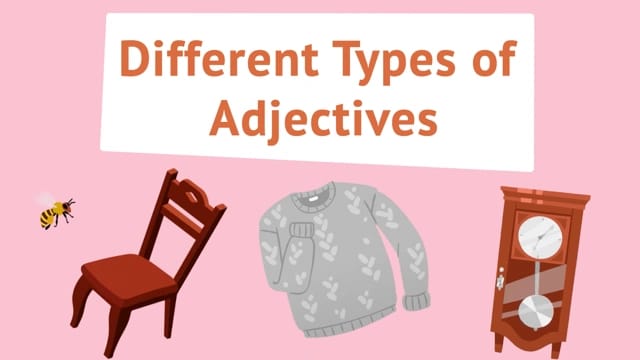
There are many different types of adjectives out there, including possessive, numeric, comparative, classifying, and descriptive. This post will primarily focus on simple descriptive adjectives that can be used to describe a person’s character traits relating to appearance and personality.
Appearance:
| athletic babyish bald beautiful big black blonde blue bodacious boring bouncy boyish brawny broad brunette calloused classy clean colourful cool crazy crimped crooked curly curvy dainty dapper delicate drab | dreadful edgy fair fancy fat gaunt ghostly ginger girly glamorous gorgeous great green horrible icy jagged kooky light long manly masculine mousy nimble obese old opulent orange ostentatious pale | pallid petite pink pouty pretty proper purple quaint queer radiant red short sleepy sparkling straight swarthy tall tan threatening touchy tough twitchy ugly wild womanly yellow young youthful yappy |
Personality:
| abhorrent acerbic adaptable adventurous affectionate agreeable aloof ambitious amiable amicable amusing angelic angry angsty arrogant artistic awesome awkward babyish bland bold bossy brash brave bright callous campy capable careless caustic chaotic charismatic charming cheerful clever cocky compassionate confident confrontational conscientious considerate convivial crabby cranky crass creative cruel daring | deceitful decisive defensive determined devious diligent diplomatic discrete dramatic dull earnest egotistic energetic envious excitable fanciful fearful fearless fickle finicky fussy genius genuine grateful gullible happy haughty honourable independent industrious insecure insightful intelligent interesting irritable jealous joyful judicious kind lazy loquacious loving loyal lucky modest nasty naughty neat | nervous nice obstinate passionate passive patriotic patronising philanthropic popular powerful pragmatic quiet quizzical rash reliable rigid rough rowdy rude sarcastic secretive sensible sensitive serious shy silly smart sneaky sociable stony stubbly stubborn stupid sullen sympathetic tactless thankful thoughtful unpredictable vain vulgar wanton warm wilful wise witty zany zealous |
Descriptive writing activities for vocabulary building

Having an extensive vocabulary is basically a cheat code for engaging communication.
Here are some descriptive writing activities that will help your students build their vocabulary banks:

1) Write from your five senses
This activity is also an exercise in mindfulness.
- Prompt your students to write down all of the information they’re gleaning from their senses.
- What do they see, hear, smell, taste, and feel?
- They should use as many adjectives as possible to describe their surroundings.
Challenge classes who are more able to use adjectives in unusual or surreal settings to test their skills!
2) Short story prompts
In this creative writing activity, students compose a short story based off of one or more vocabulary words as a prompt.
Using descriptive vocabulary words as your prompts will help your students master incorporating personal adjectives and character traits into their writing.
Here are some examples of prompts you can use:
- soft, blue, quiet
- chaotic, green, noisy
- blonde, angry, intelligent
- pale, sarcastic, fickle
- tiny, pink, fluffy.
3) Adjectives A to Z
This is an easy activity that’s great as a warmup or as a unit review.
Ask your students to write out a list of adjectives for each letter of the alphabet.
This can be adapted to whatever type of adjectives or character traits you’re studying. It can also be limited to a single letter, or as many as you like!
Speaking exercises using personal adjectives
If you’d like your students to practice verbally utilising adjectives to describe a person, here are some ideas for speaking exercises and activities:
1) Twenty questions
Who doesn’t love this classic game? In pairs or in small groups, have your students take turns trying to figure out the person the other has in mind. You can ask your students to choose from well-known celebrities, cartoon characters, or even people at your school!
A sample game might begin something like this, with Student A doing the guessing and Student B with someone in mind:
- Student A: Is this a celebrity?
- Student B: No
- Student A: Is this someone I know personally?
- Student B: Yes
- Student A: Is this person tall?
- Student B: Yes
- Student A: Does this person have long, curly hair?
- Student B: No
- Etc….
Be sure to encourage them to use as many descriptive words as possible in their guessing!
2) Role playing
Here’s a classic multimodal theatre activity that will help your students understand what certain adjectives look like. This activity incorporates both speaking and movement exercises.
In small groups or as a class, ask students to shout out adjectives that can be physically interpreted. One or more students are assigned to act out that adjective using their facial expressions, body language, and related sounds.
For example, someone who has been prompted to look angry might frown, furrow their eyebrows, and stomp their feet while making a “grrr” sound. Someone who is sad might rub their eyes and hang their head while sniffling.
This can also be done the other way around – students act out an adjective and the observing students try to guess what it is! Adjective charades, anyone?
3) Assign a personality trait
This is similar to the above but more conversation-based.
Pair your students up and give each of them a card with a distinct personality trait.
They then begin a conversation and act how their card dictates until their partner accurately guesses what that personality trait is.
Tips for encouraging variety and accuracy in descriptions
Descriptions can be challenging, both in writing and in speaking. Here are some tips your students can use to ensure they are using a variety of descriptive vocabulary words while being as accurate as possible.
Count your words.
- Keep a mental note of how many times you’ve used the same adjective. If it’s two or more, try to find another word to substitute it that still gets your message across.
- This can also be done through highlighting with longer written pieces!
Consult the thesaurus.
- Bookmarking a helpful website or having a physical thesaurus on hand is super helpful when you need some assistance deciding on a synonym.
Be specific.
- Be sure to add 1-2 adjectives for each noun you use.
Test it out.
- If you’re unsure about your description, share it with a peer. Does it paint a clear picture for them, or is there something you can change to better communicate your vision?
For even more writing tips and how-tos, check out our topic on writing skills!
Adjectives make the world more colourful, exciting and entertaining! Give your students the freedom to express themselves more clearly, play around language and enjoy communication!
Share to

Jessica Pastore
briefcase iconMuseum Educator
Jessica Pastore is a museum educator living and working in New York City. Her background is in social studies education and world history. She has taught in both classroom and gallery settings for the past ten years.
Other posts


Want more content like this?
Subscribe for blog updates, monthly video releases, trending topics, and exclusive content delivered straight to your inbox.