
Teaching the Winter Olympics across the Australian Curriculum
Published on 5 min read

This February, while we are sweltering in the heat of Summer here in Australia, our Winter Olympic heroes will be gearing up to compete on the world stage in Italy. Years of training will culminate in them competing at the Milano Cortina 2026 Winter Olympics.
As the Official Education Platform of the Australian Olympic Team, ClickView is proud to partner with the Australian Olympic Committee to bring the Milan-Cortina 2026 Olympic Winter Games into classrooms across Australia.
Escape the heat and embrace the cold of an Italian winter by watching highlights on ClickView or engaging in cross-curricular activities that inspire students so they may one day wear the green and gold and represent their country!
Every four years, the Winter Olympics capture global attention with their blend of athleticism, culture, and spectacle. For teachers, it is also a golden opportunity: a real‑world event that naturally lends itself to inquiry, creativity, and cross‑curricular exploration.
With ClickView’s curated Winter Olympics topic, Australian primary educators have a ready‑made resource hub that can transform this international event into meaningful learning across all subject areas.
English: Building Vocabulary, Comprehension, and Communication
Australian Curriculum links:
- AC9E1LE02, AC9E2LE02, AC9E3LE02 – Listening and comprehension
- AC9E3LY06, AC9E4LY06 – Creating informative and persuasive texts
The Winter Olympics is full of rich language opportunities. Students can watch ClickView clips introducing different sports — such as curling, ice hockey, snowboarding, or figure skating — and build vocabulary lists around equipment, movement, and rules. Teachers can guide students to identify descriptive language, compare sports, or summarise what they’ve learned.
For writing tasks, students might:
- Create athlete profiles based on ClickView interviews and documentaries
- Mock up news reports, blogs or social media posts on “Athletes to Watch” such as Scotty James, Jakara Anthony, Indra Brown, Valentino Guseli and Charlotte Wilson
- Write persuasive pieces about which sport should be added to the Olympics
- Script and record their own “sports commentary” using information from the videos
- Produce news reports summarising daily medal tallies or standout moments
- Write or record a message of support to send to the Winter Olympians
- Write an explanation of the rules and techniques required for a chosen sport
These activities help students practise speaking, listening, reading, and writing in authentic, engaging contexts.
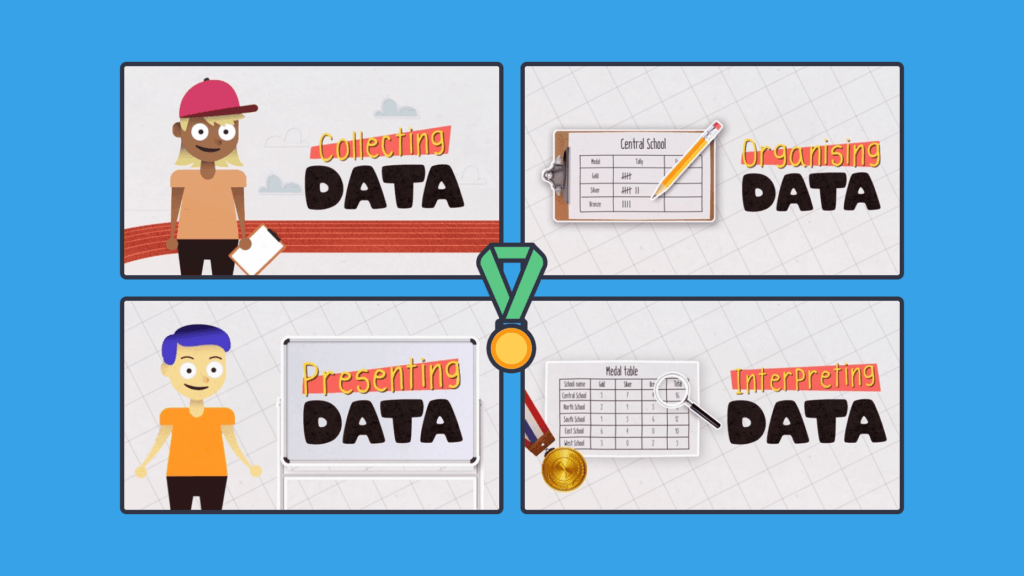
Mathematics: Data, Measurement, and Problem‑Solving
Australian Curriculum links:
- AC9M3ST01, AC9M4ST02 – Collecting and interpreting data
- AC9M4ME03, AC9M5ME03 – Measurement of time, speed, and temperature
- AC9M5SP01 – Angles and spatial reasoning
The Winter Olympics is a treasure trove of mathematical thinking. Using ClickView’s event overviews and highlight clips, teachers can introduce real‑world data that students can analyse and interpret.
Activities that use numeracy include:
- Graphing medal counts by country and comparing results
- Measuring time and speed, such as calculating how fast a bobsled travels down the track
- Exploring angles in sports like ski jumping or ice hockey
- Working with temperature data, comparing winter conditions in host cities to Australian climates
Because the numbers come from real events, students can see mathematics as something dynamic and meaningful.
Science: Forces, Materials, and the Environment
Australian Curriculum links:
- AC9S3U03, AC9S4U03 – Forces and motion
- AC9S4U04 – Properties of materials
- AC9S3U04 – Investigate the observable properties of solids and liquids
Winter sports offer natural entry points into physics and chemical science. ClickView’s explanatory videos can help students visualise concepts like friction, gravity, and momentum.
Teachers might explore:
- How friction affects movement on ice versus snow
- Why are different materials (e.g., carbon fibre, steel, synthetic fabrics) used in equipment?
- How insulation keeps us warm in cold conditions
- How athletes use aerodynamics to increase speed
- How ice melts by conducting an ice cube investigation that involves predicting how quickly an ice cube will melt with different variables
Students can conduct simple experiments: sliding objects on different surfaces, testing wind resistance with paper shapes, or exploring insulation to connect scientific principles to what they see in the videos.
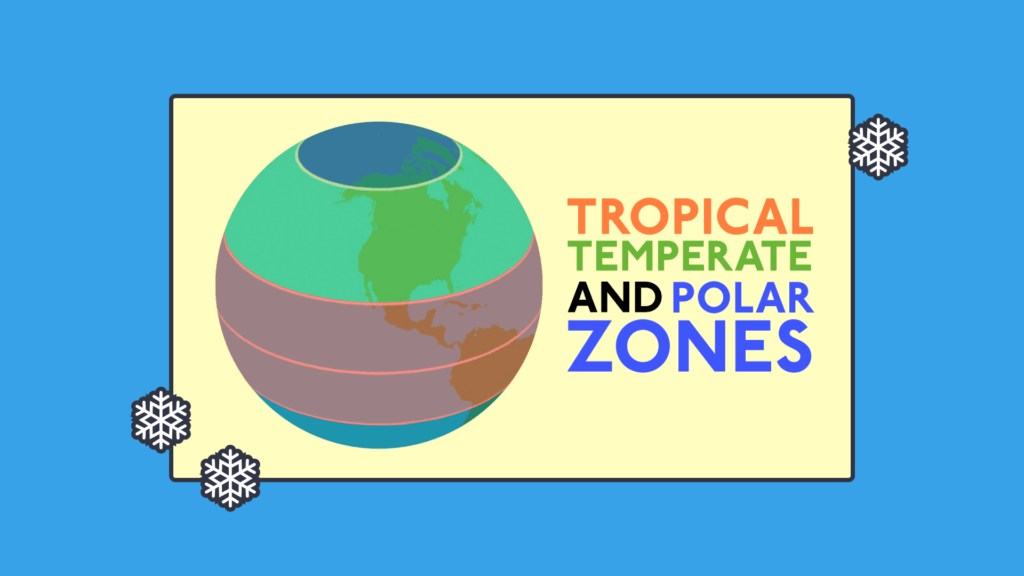
Humanities and Social Sciences: Geography, Culture, and Global Connections
Australian Curriculum links:
- AC9HS2K04, AC9HS3K04 – Places and climate
- AC9HS3K02, AC9HS4K02 – Cultural diversity
- AC9HS4K06 – Historical events and their significance
The Winter Olympics is a global event, making it ideal for HASS learning. ClickView’s country profiles and historical clips help students understand the cultural and geographical diversity represented at the Games.
Classroom activities could include:
- Mapping participating countries and identifying climate zones
- Investigating the history of the Winter Olympics and how it has evolved
- Comparing Australia’s winter sports culture with nations like Norway, Japan, or Canada
These activities build global awareness and help students appreciate the interconnectedness of nations and cultures.
The Arts: Creativity, Expression, and Design
Australian Curriculum links:
- AC9AVA2C01, AC9AVA3C01 – Visual arts creation
- AC9ADAM01 – Dance and movement
- AC9AMU3C01 – Music composition
The Winter Olympics is a visually spectacular event, offering endless inspiration for creative arts lessons. After watching ClickView footage, students can:
- Design their own Olympic uniforms or mascots
- Create movement sequences inspired by figure skating or snowboarding
- Compose soundscapes that reflect the energy of different events
- Sing the Australian national anthem ‘Advance Australia Fair’ which will be played at the Winter Olympics when our athletes win gold
- Design a medal for the Winter Olympics if it were to be held in Australia
- Produce posters or digital artworks promoting a future Winter Olympics
- Combine art and maths by exploring the symmetry and unique nature of snowflakes

Health and Physical Education: Movement, Teamwork, and Wellbeing
Australian Curriculum links:
- AC9HP2M01, AC9HP3M01 – Movement skills
- AC9HP4P02 – Teamwork and fair play
- AC9HP4S01 – Setting goals and reflecting on performance
ClickView’s sports demonstrations and athlete stories can help students explore physical skills, teamwork, and resilience. Teachers can adapt winter sports for the school environment — for example:
- “Floor curling” using soccer balls and a broom
- “Dry‑land skiing” obstacle courses
- Relay races inspired by biathlon or speed skating
Students can also discuss topics such as goal‑setting, sportsmanship, and the importance of practice, using athlete interviews from the ‘Olympics Unleashed’ series as inspiration.
The Winter Olympics is more than a sporting event, it’s a multidisciplinary learning opportunity! With ClickView’s curated content, teachers can confidently guide students through rich, engaging activities that build knowledge, skills, and curiosity across the curriculum. Whether students are analysing data, designing mascots, exploring forces, or writing news reports, they’re connecting classroom learning to a global event that sparks excitement and wonder.
Share to

Penelope Christie
briefcase iconCuration Lead
A qualified primary school teacher with over a decade of teaching experience in Australian schools. Penelope is Curation Lead at ClickView for Australia and New Zealand, supporting teachers in meeting curriculum needs by integrating video into the classroom.
Other posts



Want more content like this?
Subscribe for blog updates, monthly video releases, trending topics, and exclusive content delivered straight to your inbox.