
How Cattaraugus–Allegany BOCES elevated digital learning with ClickView
Published on 3 min read
Featuring
Justin Shumaker, Senior Distance Learning Coordinator
Cattaraugus–Allegany BOCES, New York
Cattaraugus–Allegany BOCES supports 22 districts across rural Western New York, with 19 participating in the Distance Learning Cooperative Service (Co‑Ser). Together, those districts serve more than 13,000 students.
Senior distance learning coordinator Justin Shumaker oversees virtual field trips, early college connections, video‑conferenced courses, and the technology that makes those opportunities possible. A key part of that work is ensuring districts have reliable, effective access to instructional video. For years, that wasn’t easy.
When video tools create more problems than they solve
Before adopting ClickView, districts across the Co‑Ser were using a mix of different video platforms. Costs were increasing. Features varied from tool to tool. And usage was inconsistent. Some districts were engaging regularly. Others barely touched the platforms available to them. That fragmentation made it difficult for BOCES to deliver a consistent service and for teachers to confidently use video as part of everyday instruction.
In March 2025, the challenge intensified when the New York State Education Department restricted student access to YouTube on school‑managed networks and devices. Teachers suddenly had fewer options for sharing video in the classroom. At the same time, limitations in existing tools became harder to ignore. ClickView had already been on the BOCES’ radar as a short‑form video option, but rising costs and feature gaps across current providers pushed the need for change forward.
Moving to a single, flexible platform
As districts evaluated alternatives, one requirement was clear: the solution had to replace multiple tools while remaining easy for teachers to use.
Interactive video quickly emerged as a key differentiator.
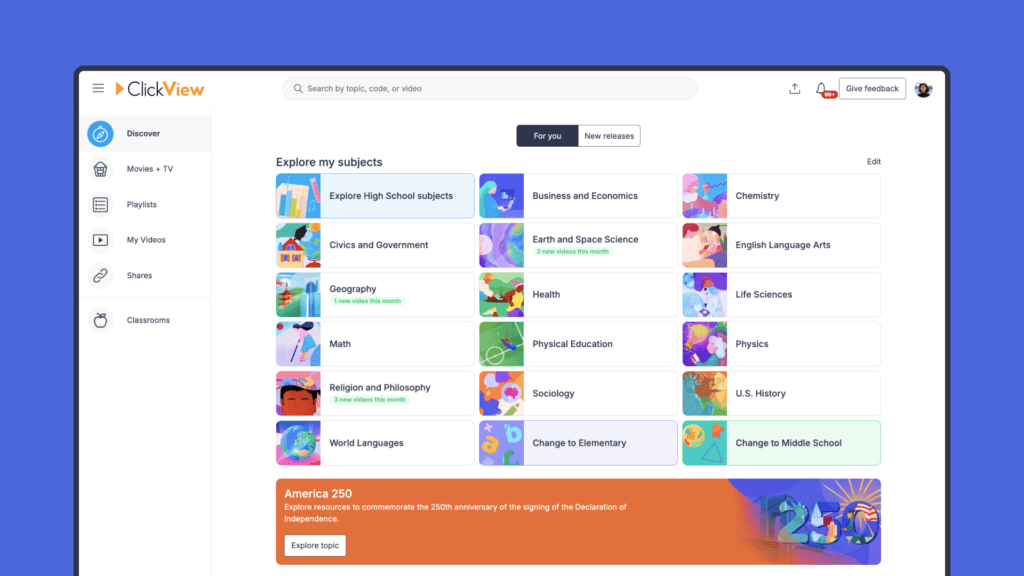
That’s not available with every product,” Justin explains. “With ClickView, you can make a video interactive, or you can take, for example, a 9‑minute video and turn it into a 30‑second clip directly in the platform. Having all of those options in one solution has been very enticing for people.
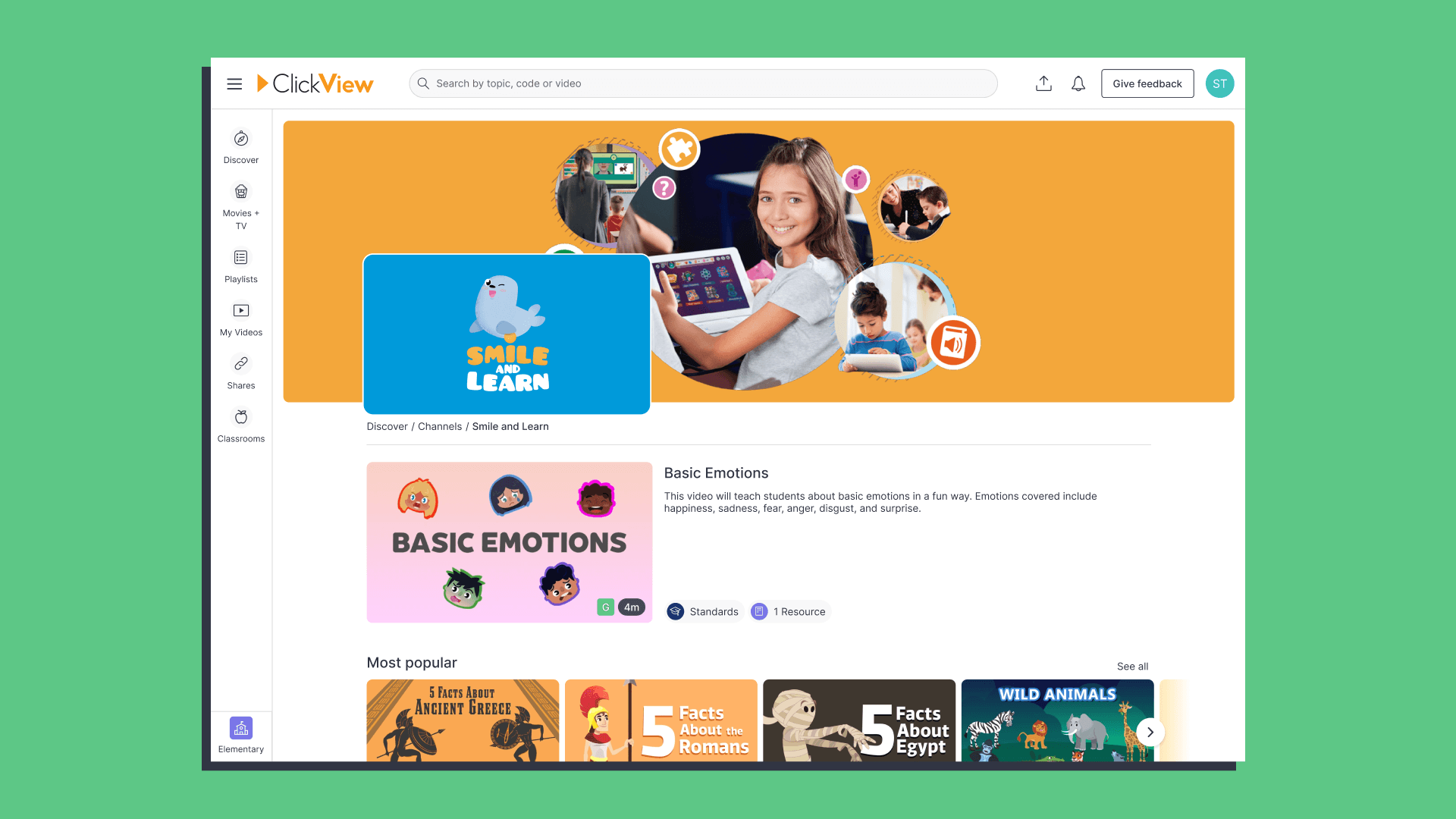
Instead of relying on separate tools for hosting, editing, and engagement, teachers could work within a single platform. They could add stopping points, include questions, and focus students’ attention without adding steps to their workflow. All of this happens in a classroom‑safe, ad‑free environment, giving districts confidence that video can be used consistently across grade levels and subjects.
Adoption that reflects real classroom value
Since adopting ClickView, usage across participating districts has steadily increased. In under two years, engagement has surpassed what the BOCES previously saw with other video providers.
More importantly, districts that historically underutilized earlier platforms are now using ClickView at much higher rates. For Justin, that shift matters. One of his core goals is helping districts fully benefit from the services included in their Co‑Ser participation. When adoption is uneven, that value is harder to realize. When usage grows across districts, the Co‑Ser works as intended, delivering high‑quality services at a shared, lower cost.
I love to see districts utilize all the services and products at their disposal,” Justin says. “Especially those that are most beneficial to students, and I’m excited to see usage of those products increase which has happened since adopting ClickView.
Support that helps districts succeed
Alongside adoption, reliable support has played an important role. Justin notes that ClickView’s customer service has been responsive and consistent, something that isn’t always guaranteed with education technology vendors.
Complimentary staff training has also helped districts build confidence with the platform. These sessions support local efforts by ensuring teachers understand key features and practical use cases, helping them get value from ClickView more quickly.
Key takeaways for BOCES leaders
- One platform instead of many
- Replacing multiple video tools with a single solution reduces cost, complexity, and uneven usage across districts
- Features that support teaching, not extra work
- Interactive video and simple editing tools help teachers deepen engagement without changing how they plan lessons
- Adoption that strengthens the Co-Ser model
- Higher, more consistent usage across districts increases the value of shared services and supports better outcomes for students
Share to

Heather Burns
briefcase iconUS Marketing Manager
Heather Burns has spent more than a decade working in the K–12 technology space, partnering with schools to implement solutions that support teaching and learning. With a background in student development, she brings a student-centered lens to every initiative. Heather is especially passionate about the emotional and physical safety of students and believes technology should enhance, not complicate, the environments where young people grow.
Other posts
Want more content like this?
Subscribe for blog updates, monthly video releases, trending topics, and exclusive content delivered straight to your inbox.