
What New Zealand schools need to know about the Social Media Ban conversation
Published on 5 min read
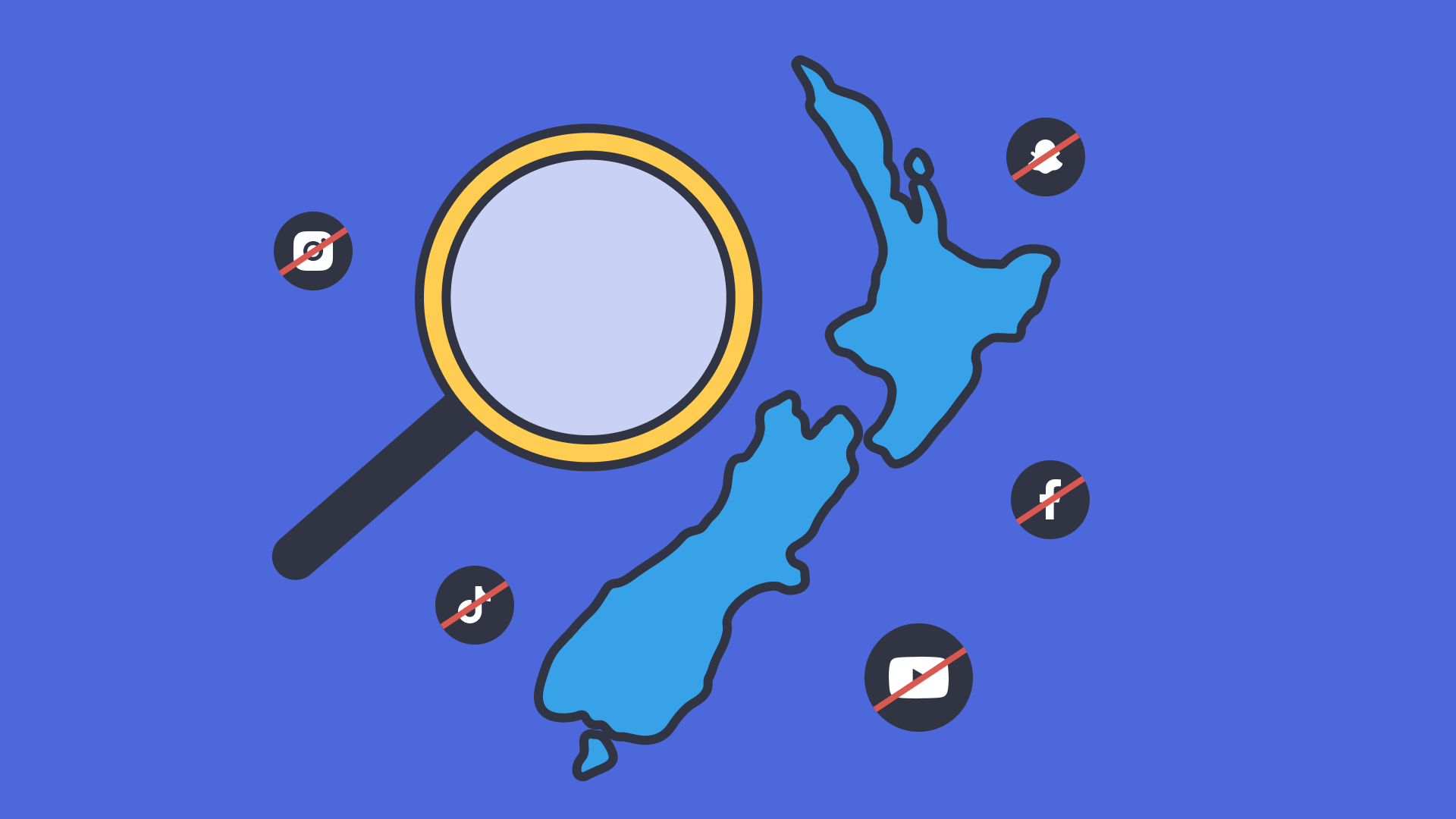
Across New Zealand, conversations about social media, student wellbeing, and digital safety are becoming more prominent. While no final decisions have yet been made, the direction of travel is becoming clearer and schools are right to start paying attention.
This conversation is not about removing technology from classrooms. It is about ensuring that the tools schools rely on continue to support safe, inclusive, and effective learning as expectations around child wellbeing and online protection evolve.
Here’s how the discussion is developing locally, and how New Zealand fits within the wider international context.
What’s happening in New Zealand
In New Zealand, the question of social media access for children and young people is now firmly on the national agenda. Public discussion has increased, with growing attention on how online platforms intersect with student wellbeing, learning focus, and digital capability.
New Zealand is closely observing international developments, particularly Australia, as it considers what an age‑based approach to social media access could look like locally. Any future decisions are expected to take into account consultation processes and alignment with education and child‑safety priorities.
Alongside this, there is increasing emphasis on media literacy and digital literacy, reflecting the view that any change should support students to become critical, confident digital users, rather than simply restricting access. This also highlights the role schools play in supporting family understanding of digital tools used for learning, and in promoting shared expectations between school and home.
What could change
While no final decisions have been made, public discussion has focused on a small number of possible directions, including:
- Introducing age‑based social media restrictions similar to Australia
- Extending consideration to emerging technologies such as generative AI
- Reviewing the role of gaming and interactive platforms alongside social media platforms
In all scenarios currently being discussed, video platforms remain part of the conversation, reflecting how embedded video is in both learning and everyday life for young people.
New Zealand in a global context
New Zealand is not navigating this issue in isolation.
- Australia has already introduced under‑16 social media restrictions, placing responsibility on platforms rather than schools or families.
- The United Kingdom is consulting on a similar approach, alongside tighter expectations around AI tools and platform design.
- The United States continues to take a state‑by‑state approach, with increasing scrutiny of platform algorithms, data use, and child safety.
Together, these developments point to a clear global trend: governments are increasingly willing to intervene where online platforms intersect with child wellbeing and learning.
What schools can do next

While legislation is still evolving, there are practical steps New Zealand schools can take now, without disrupting teaching and learning.
1. Take stock of how video is used
Start by building a clear picture of video use across the school:
- Which platforms are most commonly used by staff?
- Is video used mainly in class, or also for homework and home learning?
- Are students required to log in, create accounts, or interact through comments and recommendations?
- Are expectations and approaches consistent across teams and year levels?
This supports informed decision‑making and school‑wide consistency.
2. Reduce reliance on student accounts and open platforms
With social media platforms likely to be affected by future regulation, schools may wish to:
- Minimise student logins wherever possible
- Avoid learning tasks that require personal accounts
- Be cautious with autoplay, comments, recommendations, and advertising
These steps support safer, more focused learning environments regardless of policy outcomes.
3. Strengthen media and digital literacy
Media literacy is increasingly central to both learning and wellbeing. Schools can support students by:
- Exploring how algorithms shape what we see online
- Discussing advertising, influence, and data use
- Helping students distinguish between educational video and social media content
Sharing this learning with parents and caregivers, even at a high level, can help reinforce common language and expectations between school and home. This aligns closely with the New Zealand Curriculum’s focus on critical thinking and digital capability.
4. Review policies with the future in mind
This is a timely opportunity to revisit:
- Digital citizenship and acceptable use policies
- Guidance provided to staff on third‑party platforms
- Communication with families about online learning tools
Small, thoughtful updates now — communicated clearly across the school community — can support consistency and prevent rushed changes later.
5. Explore education‑first alternatives
As expectations tighten globally, schools that already use curriculum‑aligned, ad‑free, age‑appropriate video platforms will be best placed to adapt smoothly.
Platforms designed specifically for education provide:
- Predictable access regardless of social media policy changes
- Greater control for teachers and school leaders
- Alignment with learning outcomes, wellbeing, and school values
- Support for consistent practice across classrooms and year levels
6. Keep the focus on learning and wellbeing
Most importantly, schools do not need to respond with urgency or concern.
Social media restrictions are rarely the starting point. They are the outcome of broader conversations about wellbeing, safety, attention, and learning quality. Schools that take a whole‑school approach, supported by clear communication with families, are often best placed to navigate change calmly and confidently.
Supporting schools through change

As expectations around online safety and student wellbeing continue to evolve, school leaders are increasingly focused on ensuring consistent, sustainable approaches to digital learning across their school.
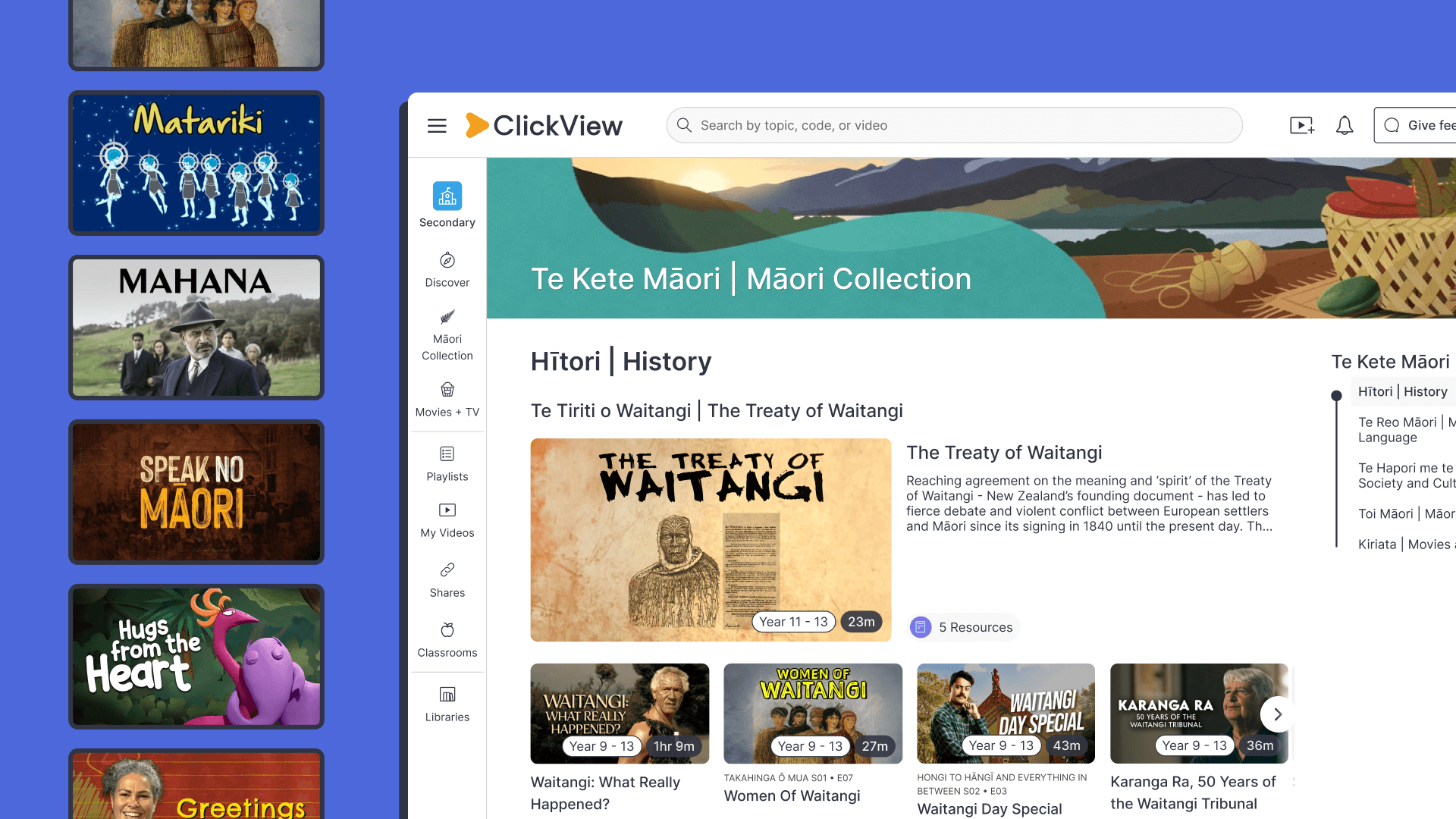
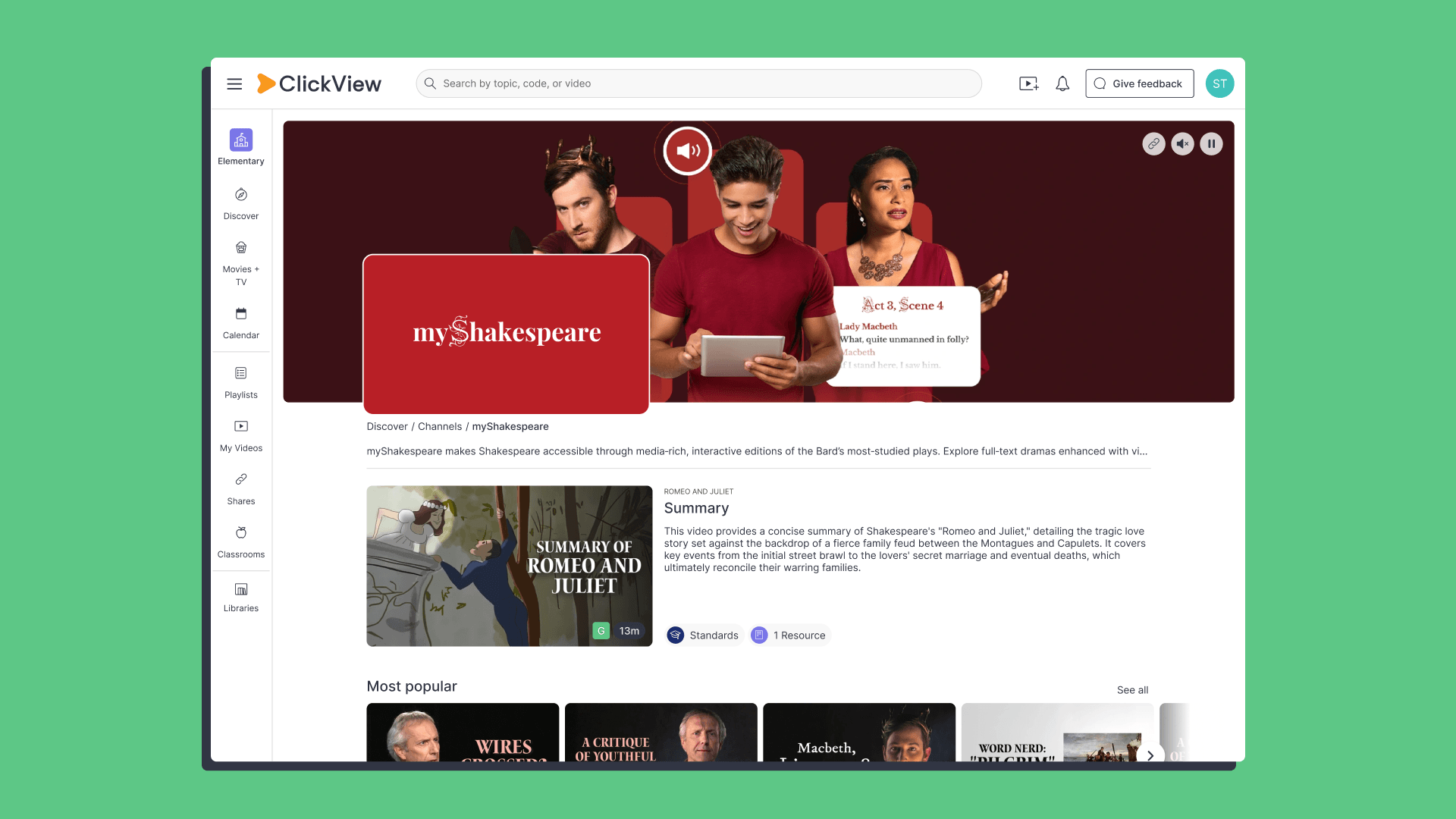
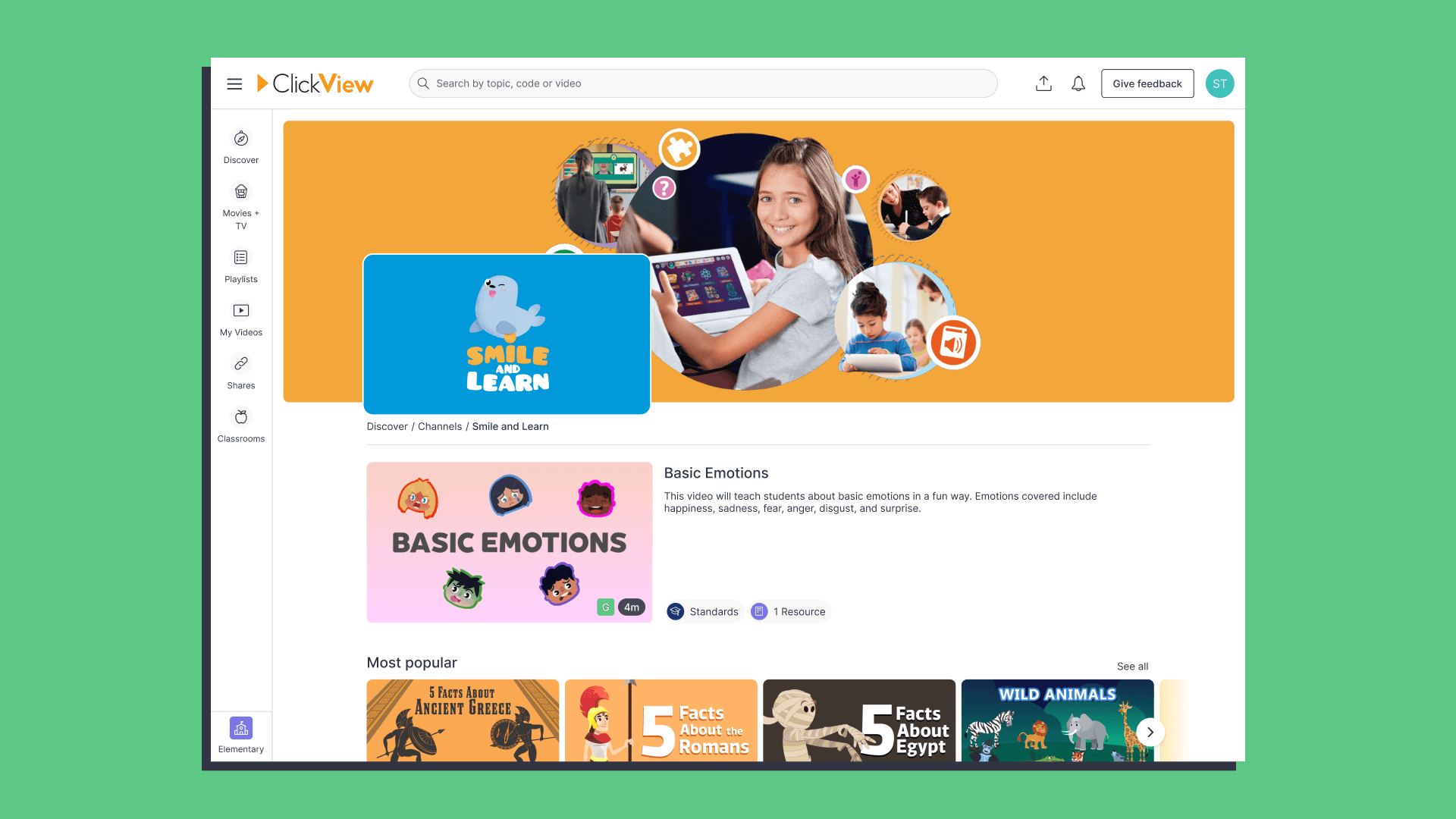
ClickView is designed specifically for education, providing schools with curriculum‑aligned, ad‑free, age‑appropriate video, along with the controls and predictability schools value. Teachers can focus on learning outcomes, confident that students are engaging with content that supports both achievement and wellbeing.
For schools beginning to plan what comes next, it can be helpful to explore options that:
- Do not rely on student social media accounts
- Align with emerging expectations around safety and media literacy
- Support consistent practice across the school
- Allow video to remain a strength, not a risk, in the classroom
If you’d like to see how ClickView is supporting New Zealand schools with safe, effective video learning, you can explore ClickView here.
Ready to prepare your school for media literacy? Reach out to our friendly ClickView team to see how we can help you.
Share to

Tara Walsh
briefcase iconHead of Education
A qualified teacher and human resources professional, Tara has had an extensive career as a teacher and leader in K-12, and in learning and development.
Other posts
Want more content like this?
Subscribe for blog updates, monthly video releases, trending topics, and exclusive content delivered straight to your inbox.