
5 Ways to get students motivated as a teacher
Published on 9 min read


In this guide
- Why motivation matters in the classroom
- 5 Ways to get students motivated as a teacher
Why motivation matters in the classroom

Keeping students motivated in the classroom can feel like a never-ending uphill battle. When you experience the “light bulb” moments however, and see that spark in a student’s eye, it is all worth it!
Motivation is not limited to getting kids to do their homework or raise their hand to answer a question. Motivation is instilling a love of learning in your students, even after they leave the walls of your classroom.
Motivated students are more likely to stay focused, ask questions, and persevere through difficult or challenging tasks. According to ScienceDirect students are less motivated when the following three needs are not being met:

1) Autonomy
Students need to feel as though they are responsible for, and in charge of, their lives and their learning.
This can happen through providing choices in assignments or activities and encouraging self-directed learning. It might seem crazy but try to trust students to make decisions about and for their learning. This will not only help motivate your students but also offer students opportunities to explore their own interests within the curriculum.
2) Competence
Students need to feel ready for the task at hand as well as feeling capable of completing the task.
Scaffold challenging tasks with support to set students up for success. You can also make celebrating students’ progress towards completing the task even before it is finished a part of your classroom methodology. Boosting students’ confidence so that they are ready to persevere through any task assigned will help motivate your students.

3) Relatedness
Students need to feel as though they are connected members of the group rather than an unsupported individual against the rest of the class.
Building strong relationships with your students will help create a more positive classroom culture where students feel loved and respected.
Understanding the core needs of autonomy, competence, and relatedness is the first step in creating a classroom environment where motivation thrives. When these needs are nurtured students will engage in their learning in a deeper way.
Let’s look at the key principles in motivating our unmotivated students!
Method #1: Empowering students

Empowering our students gives them a strong sense of ownership over their education. Kids love feeling in charge of their learning and it is important to make sure they know their voice matters. When our students feel empowered, they are more likely to stay engaged and motivated in their learning.
1) Choice
Give students choice in their assignments!
- Could a worksheet response be changed into a comic strip or graphic novel? Perhaps students could choose from a variety of texts to read rather than reading a set text?
- Consider how you could teach your standards of learning but allow students choice in how they meet this standard.
- Watch Student Agency, to learn more about how to cultivate student agency in the classroom.
2) Reflection
Give students an opportunity to reflect on their learning and your teaching.
- What do students enjoy about being in your classroom?
- What are their favourite parts of class or where do you think they need improvement?
During report season, I love creating a quick reflection for students to fill out about me as their teacher. This could be done on paper or digitally.
Start by asking your students:
- What is working well in this class?
And move through to questions like:
- What could I improve on?
If students feel empowered to create or advocate for change in their classroom, they are more likely to feel motivated about their learning.

4) Flipped classroom
Allow students time to be the teachers!
Students will be more motivated in the classroom when they are allowed to teach or lead discussions. This is also a great way to encourage confidence, collaboration, and responsibility. Rather than reading an article together and teaching students about the article, give students the article and allow them time to teach their peers!
4) Build relationships
Get to know your students and their interests and strengths!
Think about the interests of your students and how they can explore these interests through the content you are teaching. Notice the strengths of your students and call them out; make positivity and personal growth the cornerstone of your classroom.
Method #2: Make learning relevant

In order to motivate students in the classroom, make the classroom relevant to their lives!
So often our students wonder why certain lessons are included in the curriculum; it is important to bridge the classroom and real life so our students connect and care about what they are studying.
1) Project-based learning
Allow students opportunities to solve real-world problems while still learning the curriculum standards.
Students could, for example, design a recycling program for the school, or determine what would be needed in order to plant a community garden at the school.
Utilising out-of-the-box learning gives students a motivational boost to pay attention to, and engage with, their learning.

2) Invite experts
Invite guest speakers or field experts into the classroom to make learning more exciting.
You could also think about involving a virtual option in order to speak to experts around the world.
Videos like Student Interview with a Games Designer or Interview with a Social Worker can also be used to bring the real world into the classroom in an easy way!
3) Transform your room
Are you teaching a lesson that lends itself to transforming your classroom?
- Previewing a new book? Try setting up a coffee shop or restaurant ‘book tasting.’
- Are your students working with contractions or compound words? Consider creating an operating room in your classroom!
These transformations can be easy and free. What props or items does your school already have that could be repurposed into a room transformation?
When students can see how lessons relate to their lives, the learning feels more meaningful to them. Making learning relevant to your students is a great way to increase motivation in your classroom!
Method #3: Incorporate technology
Students today experience technology beginning at a very young age. Incorporating meaningful technology into the classroom can also help to make learning engaging and fun!
1) Make learning a game!
Interactive games with leaderboards, badges, and rewards, make learning engaging and fun. Students cannot resist a little competition – especially in the classroom!
Learn more about gaming in education and how teachers can use technology and games to make learning fun.
2) Collaboration
Allow students to work together using apps or websites where students can watch their thinking come together in real-time.
Collaborating whilst writing a story, solving a maths problem, or gathering scientific data in the digital world will give students support from their peers but also act as real life practice for different tasks they might see in their future careers!
3) Personalise lesson pace using adaptive learning apps
ClickView’s interactive videos have built in pause points for students to check their understanding.
This gives students agency over their learning and gives the teacher an opportunity to conduct a quick check for understanding.
Have a look at these two great resources with a free trial on ClickView today:
4) Incorporate multimedia in the classroom
Use videos, animations, or simulations to explain a topic more thoroughly.
Students will love seeing science experiments like colourful chemistry or the lives of important historical figures, such as Claudette Colvin.
Podcasts or interactive e-books are also great uses of motivational multimedia in the classroom!
5) Use coding to add a cross-curricular element to any lesson
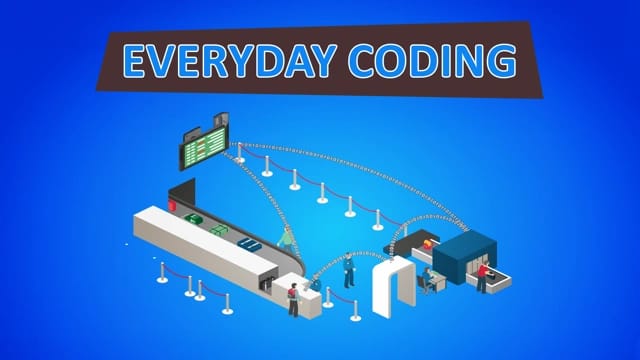
Students can watch coding videos such as What is Coding? to learn more about what coding is.
Using simple websites, students can code games, lessons, questions, or interactive storytelling assignments that can connect to all sorts of lessons across your curriculum and standards!


Method #4: Goal setting
Setting goals is a powerful way to engage and motivate students in the classroom.
In my classroom, students set their own goals as readers and writers every quarter. They create their own step-by-step plans to reach those goals and I check in with them in order to assist them as they progress through the year.
When students have a clear plan and know the expectations and objectives, they are able to feel proud of everything they achieve.
- Teach students to track their progress using charts, journals, or apps to track how far they have come in reaching their goals.
Seeing progress visually is very motivating for students. Create an area in your classroom where students can display the visual they create in order to track their goals! - Teach students how to set a SMART goal.
In How to Set Goals, students can explore examples of great goals before writing their own.
Help students set goals that are specific, measurable, achievable, relevant, and time-bound. For example, a great SMART goal could be, “I will practise maths facts for 20 minutes every night for a week”. - Set goals as a class in order to increase motivation among peers.
Working towards a common goal such as reading a certain number of books a month or completing a group project can build motivation, excitement and teamwork in the classroom. - Share your goals with students so they are able to see a model of what it looks like to set and reach your goals.
Your goals may be professional or personal and can inspire your students to set goals for themselves as well.
Goal setting gives students something to aim for and celebrate their wins along the way.
Method #5: Classroom responsibilities
Giving students responsibilities in the classroom is another great way to increase your classroom community’s motivation.
When students feel trusted and valued, their motivation for everyday learning increases. Classroom responsibilities are also a great way to teach life skills like accountability, leadership, and teamwork.
Teaching students responsibility will not only increase their classroom and assignment motivation, but will increase their motivation to become stronger global citizens. If we teach students about being responsible for a job or task as they are in school, they can bring these valuable skills into the world.
Create effective classroom responsibilities:
- Create a list of classroom jobs or roles that would be helpful for you as the teacher, the students, or the overall classroom community.
Jobs do not just have to be a ‘line leader’ or ‘paper passer.’ Try assigning creative jobs based on the strengths of your students.
A student who is interested in plants would be a great ‘gardener’ for the succulent on your desk. An excited student might be the perfect ‘classroom greeter’ to welcome your students in the room every morning. A ‘peer mediator’ or ‘notetaker’ might be more suitable jobs for older students. - Encourage students to choose the jobs that feel most suitable for them and their strengths in the classroom.
Involve students in jobs that showcase leadership skills and collaboration among peers. - Check in with students regularly to see how their classroom responsibility is going and what they need to succeed.
It is also important to reflect on what is going well, what changes might need to be made and what areas may need improvement. - Celebrate students’ hard work emphasising that working together creates a stronger classroom community.
Provide leadership opportunities for students to ‘teach’ each other what their job or responsibility entails.
Classroom responsibilities give students a sense of ownership and pride. They become motivated stakeholders in the success of the classroom which spills over to their own learning and learning goals!
Motivation in the classroom is vital to student success. Motivation is what empowers our students to explore and engage in the material that they are learning. When students are motivated, they are more able to face challenges in the classroom, more likely to persevere through challenges, and they are building confidence that is needed to tackle any obstacle.
Share to

Victoria Dotson
briefcase iconLiteracy Specialist
Victoria Dotson, an esteemed educator and professor in Chicago, Illinois, leverages her background as a Literacy Specialist to support multilingual learners and mentor preservice teachers. Victoria excels in developing literacy practices, promoting diverse literacy experiences in the classroom, and developing restorative curriculum.
Other posts



Want more content like this?
Subscribe for blog updates, monthly video releases, trending topics, and exclusive content delivered straight to your inbox.