
District leader insights: Moreno Valley USD
Published on 4 min read
When the device leaves campus
Jessica Ax and Smiley Villavicencio do more than just work in the same district; they’re building policy together. Jessica is the Director of Technology, Innovation and Assessment at Moreno Valley Unified School District in California. Smiley is the Director of Professional Development and Digital Learning. Their departments approach the same classroom from different angles, and that dual perspective shapes how Moreno Valley is thinking about one of the most contested questions in K-12 right now: what does responsible technology use actually look like, and how do you get there?
When Jessica starts talking about where things stand, she starts with hardware, and the numbers do most of the work. Devices that once felt like a manageable investment when Moreno Valley went one-to-one during COVID now cost more than double what they did when the program launched. Damage protection policies add significantly to that total, and every three years the district cycles through thousands of units. “We’re replacing 11,000 Chromebooks every year,” Jessica says. “That’s a lot of plastic.” The financial weight and the environmental one sit alongside each other, and neither is getting lighter. The district is now actively surveying teachers about returning younger grades to classroom carts, a move that started with kindergarten and is now being considered across more grade levels.
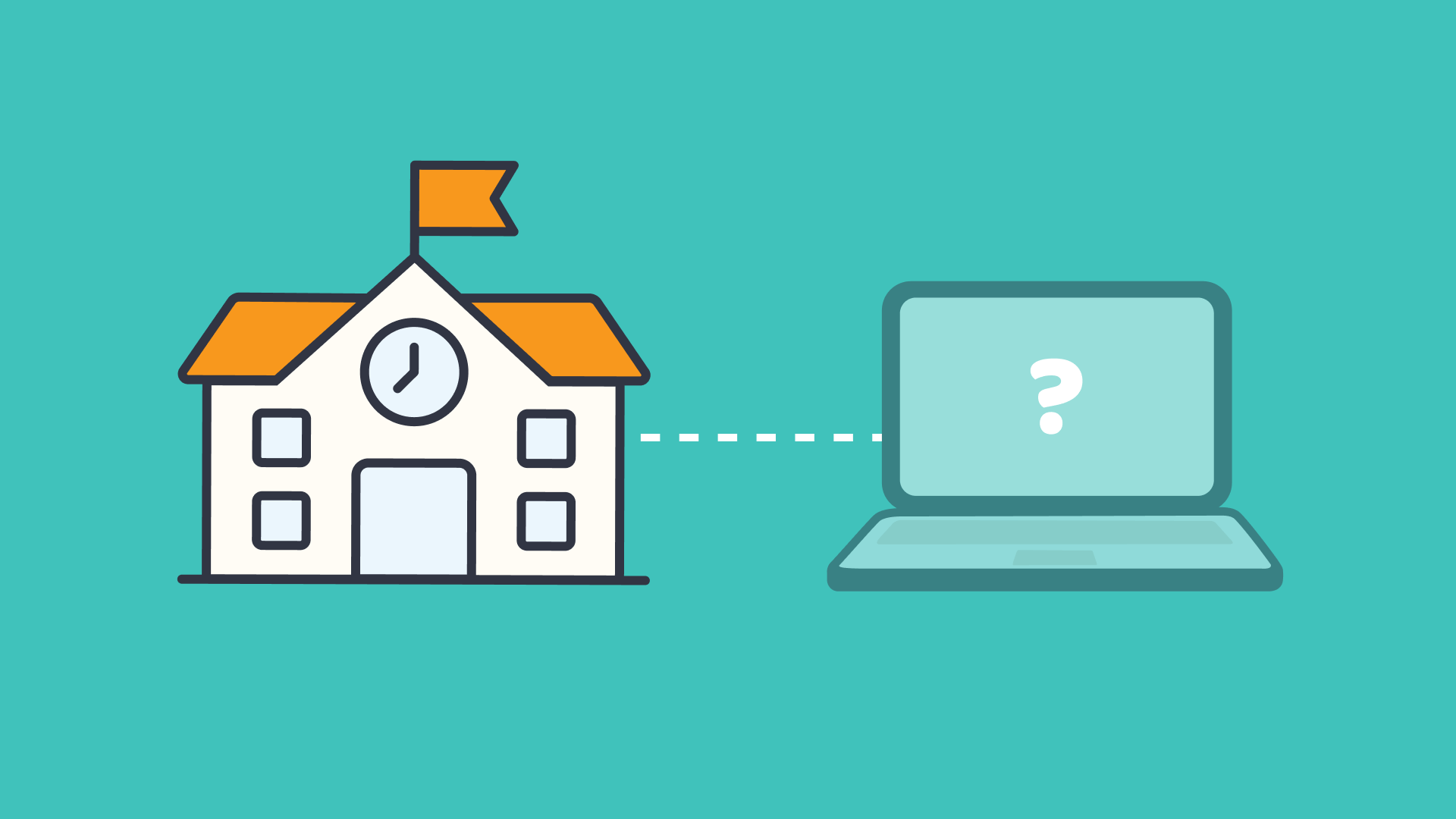
When Moreno Valley upgraded to a more capable content filtering system, the case for keeping devices at school got harder to ignore. What the new filters surfaced wasn’t new behavior, but rather behavior that had always been happening and was now visible. Students at home were bypassing filters through proxies and workarounds, accessing content that warranted serious concern. “We didn’t even know this was a problem two years ago,” Jessica says, “because nothing was coming up in our filters.” The harder question underneath both the financial and the safety conversation is one most districts haven’t fully answered: when a school-issued device leaves campus at the end of the day, who is accountable for what happens on it that night?
When technology becomes the default
The challenge inside the school day stems from the same shift. One-to-one initiatives made reaching for a device the default response. Devices were readily available, kept students engaged, and for a time reflected exactly what districts encouraged teachers to do. Smiley points out today, learning walks often reveal the same pattern: a teacher working with a small group while the rest of the class completes independent work on devices. On the surface, it looks like effective differentiated instruction, and often that is the intention. The more important question, however, is whether the device is the best instructional choice for that moment or simply the most convenient one. As Smiley puts it, “We’ve fallen into the trap of the device doing the first instruction, when it should never be that.”
Moreno Valley has invested seriously in building alternatives, bringing in external training on work centers and stations across all 23 elementary schools and making a significant push behind a highly collaborative instructional approach that requires no device at all. The goal isn’t to take technology away, but rather give teachers a genuine framework for when it belongs and when something else serves the lesson better.
Is the technology the right venue for that particular lesson,” Jessica asks, “or are you using it as a crutch?
Supporting teachers, not just expecting change
What’s actually moving teachers, Jessica says without hesitation, is Smiley’s team. Moreno Valley has instructional specialists embedded across its schools, working alongside them in their classrooms. They model lessons side by side and when a teacher doesn’t yet have the skills to run a less device-dependent lesson, a colleague comes in and demonstrates what it looks like. The point isn’t to mandate a change and walk away. It’s to show teachers that what feels impossible is actually just unfamiliar.
“You see somebody do it,” Jessica says, “and you realize, oh, I guess it can be done.” It’s the same principle that governs how students learn. Telling isn’t teaching. The professional development that moves people isn’t the kind delivered in a conference room. It’s the kind that shows up in their classroom on a Tuesday afternoon when they’re struggling, and stands next to them while they try something new.
Finding the right balance
Both Jessica and Smiley feel a shift coming in how districts relate to technology, and neither of them is entirely comfortable with where it might land. They aren’t concerned that technology is being scrutinized. In fact, they think it should be. Their concern is that the scrutiny can go too far. When efficacy data on widely-used platforms shows weak results, the instinct in some quarters is to treat that as a verdict on the category rather than a finding about a specific tool. When screen time concerns drive policy, the risk is that the response is blunt rather than calibrated. “I’m afraid we’re going to throw the baby out with the bathwater,” says Jessica.
Purpose over convenience
What she and Smiley are both working toward is something more lasting than a reactive policy. They want teachers, principals, and families to share a clear understanding of what purposeful technology use looks like and how to distinguish it from simply filling time.
That kind of shared understanding won’t happen overnight. Building it, they both agree, is the real work.
“Just because it can be done that way,” Jessica says, “doesn’t mean it should.”
Join the discussion
We’d like to understand how your district is approaching these challenges and what you need. Let’s chat – not a demo, just a discussion about what you’re navigating.
Share to

Tim Powers
briefcase iconRegional Director - US
A lifelong educator and curriculum specialist, Tim has built his career at the intersection of teaching, learning, and educational technology. He spent six years in the classroom as a middle and high school History teacher, where he developed a strong commitment to inquiry-based and project-based learning. That foundation guides his work today as he helps teachers and students use digital tools to deepen thinking, spark curiosity, and make complex concepts easier to unpack.
Other posts


Want more content like this?
Subscribe for blog updates, monthly video releases, trending topics, and exclusive content delivered straight to your inbox.