
18 Thanksgiving activities that are perfect for the classroom
Published on 11 min read

In this guide
Thanksgiving marks the official start of the holiday season, but more importantly, it is the perfect time to stop for a moment and reflect on the past year as well as who and what we are thankful for. These Thanksgiving activities foster kindness, gratitude, and community and are arranged into Elementary, Middle, and High School levels.
Thanksgiving activities for elementary school students
These activities can be used as standalone activities but are best used throughout the lead up to Thanksgiving to really build the holiday spirit in your classroom.
1) Visual analysis
Social studies
Aim: To use a still image as a prompt for a creative writing piece about Thanksgiving.


What you’ll need:
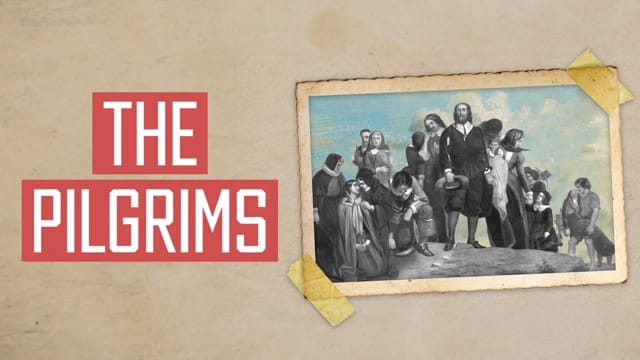
- The video The Pilgrims.
- Device for showing videos.
- Method of writing a story (digital or paper).
Steps:
- After showing the full video- choose a still from the video The Pilgrims to display.
- Ask students to write a story or create a dialogue using the image as inspiration. The creation should be historically accurate.
- Alternatively you can ask students to do a more formal historical analysis of the visual image you have chosen. The Reading Like a Historian website is a great place to find resources to support the teaching of visual images.
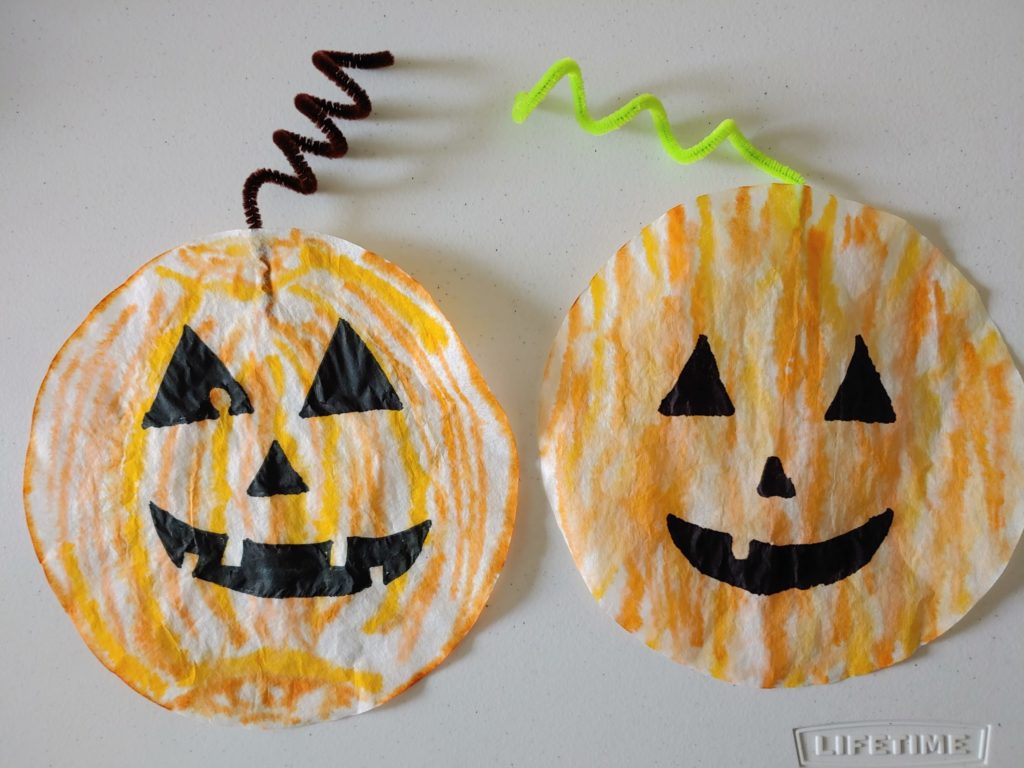
2) Chromatography pumpkin
Science
Aim: To use the chromatography process to create a pumpkin on a filter.
What you’ll need:
- Coffee filters.
- Markers.
- Cups of water.
- Ability to project a video.
Steps:
- Show students chromatography and how it is used in science.
- Discuss what was covered in the video to ensure understanding.
- Have students create a chromatography pumpkin.
- Start by drawing desired colors on the filter.
- Dip the edge of the filter into a shallow cup of water, allowing the water to absorb and spread throughout the filter.
- Once dry, add additional features, such as pumpkin lines or jack-o-lantern features (like eyes and a mouth).
3) Thanksgiving story time
English Language Arts
Aim: Use a Thanksgiving story or video as inspiration to write or draw a unique story.
What you’ll need:
- A Thanksgiving themed story.
- A Thanksgiving themed video.
Steps:
- Read Thanksgiving themed books such as Turkey Trouble or The Great Turkey Race. You can also watch Thanksgiving themed video to introduce the theme.
- Discuss the meaning of the book and/or the video and discuss any new or difficult vocabulary with the students.
- After reading or viewing, students can:
- Draw pictures inspired by the book or video to share with classmates.(These can be used to decorate the classroom and begin to build the festive feel in the classroom.)
- Write their own Thanksgiving story inspired by the book or video.
- Create their own digital story about Thanksgiving.
4) Thanksgiving dance-off
Physical education
Aim: Engage in physical activity by dancing to a Thanksgiving Hokey Pokey.
What you’ll need:
- Device to play music or video.
- Turkey Hokey Pokey.
Steps:
- Play Turkey Hokey Pokey.
- Encourage students to show off their favorite dance moves.
- This activity not only encourages movement but could be used as an energetic brain. break to invigorate the students in between other more formal lessons.
5) Gratitude quilt
Social-emotional learning
Aim: Create a class quilt that details what each student is grateful for.
What you’ll need:
- Squares of colored paper.
- Markers or crayons.
- Tape or wall adhesive.
Steps:
- Discuss thanksgiving with the class and the central meanings of the holiday.
- Ask each student to share something they are grateful for.
- Students choose a piece of colored paper and create a quilt square showing what they are grateful for.
- Place the squares on the wall in a quilt pattern as a display.
6) Thanksgiving counting
Math
Aim: Use a singalong to practice counting skills.
What you’ll need:
- Five Little Turkeys Song.
- Device to play music or video.
- Thanksgiving themed objects.
Steps:
- Play the song for the class.
- Have students sing along the second time the song is played. Provide thanksgiving objects for them to use when counting, such as candy corn.
- Extend the activity by asking students to create their own Thanksgiving math counting song.
You can also check out our curated topic page including history and sing-alongs for your elementary students.
Thanksgiving activities for middle school students
These Thanksgiving activities promote critical thinking; students will be challenged to work together, be creative, and problem solve.

7) Thanksgiving data
Math
Aim: Collect class data about Thanksgiving foods to create a data display.
What you’ll need:
- Data collection method (digital or paper).
- Representing Data in Statistics.
Steps:
- Have the class brainstorm a list of Thanksgiving foods.
- Show the ClickView video Representing Data in Statistics to provide background for students on ways they can represent their data.
- Collect class data on each student’s favorite food from the list. This can be done using an online data collection tool, or on paper using tally marks.
- Have students represent the collected data using a method of their choosing (i.e. graph, data table, etc.).


8) Save the turkey egg drop
Science
Aim: Build a device to protect a raw egg from breaking when dropped from various heights.
What you’ll need:
- Eggs.
- Recycled materials (boxes, cartons, bottles, etc.).
- Glue, tape, or other adhesives.
Steps:
- Have students build a device out of recycled material that will protect a raw egg when dropped. They can build it how they want and use adhesive to keep everything together.
- Decorate the egg as a turkey, then put it inside the device.
- Drop the device from various heights to see if the turkey egg survives the drop without cracking.
- This activity can be extended by making it also into a math problem, whereby students can identify patterns between speed and breakage, including creating graphs.
9) Thanksgiving kindness chain
Social-emotional learning
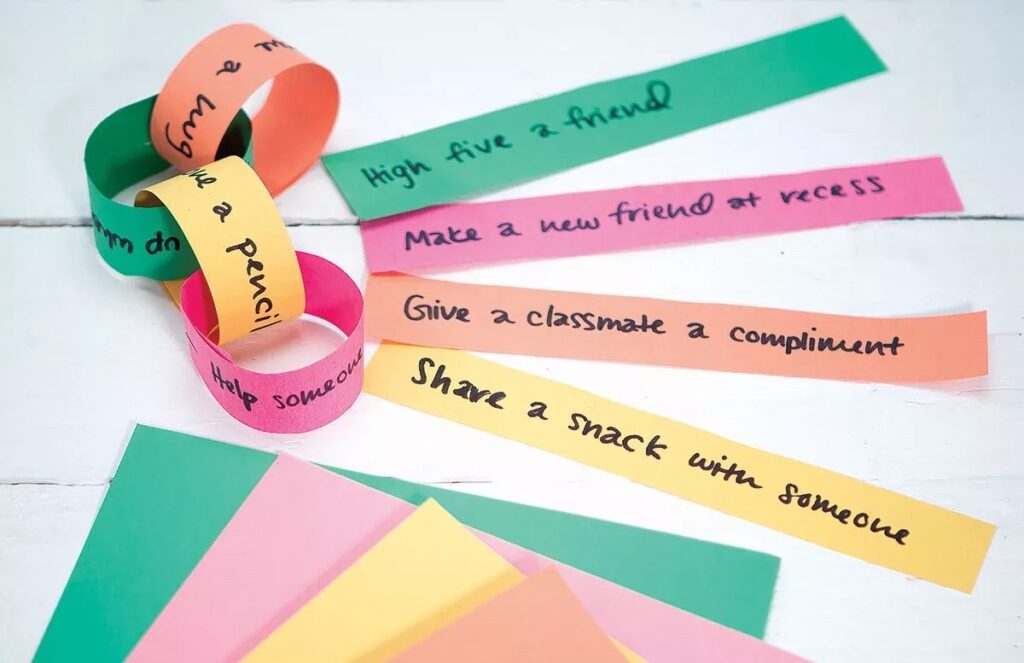
Aim: Create an artistic chain of ways to promote kindness.
What you’ll need:
- Blank strips of paper.
- Glue or a stapler.
Steps:
- Students brainstorm Thanksgiving:
- The meaning.
- Why it’s important to spread kindness.
- Begin thinking about ways we can think of being kind to others- not just at Thanksgiving.
- Write down a way they could spread kindness to others at Thanksgiving on a strip of paper.
- Create the chain of kindness with the links to be displayed around the room using the glue or stapler.
- After the activity, create a class pledge to commit to being kind the entire year, not just at Thanksgiving. At different times throughout the year ask students to add additional ideas to blank strips of paper. These strips of paper will then be added to the chain.
10) Thanksgiving debate
English Language Arts
Aim: Debate about a Thanksgiving-related topic to practice public speaking skills.
What you’ll need:
- Debate prompts (see steps below).
- Debating and Public Speaking.
Steps:
- Show Debating and Public Speaking
- Create a Thanksgiving debate statement, for example:
- “Should Thanksgiving be a national holiday?” or
- “Should there be a required food at every Thanksgiving meal?”
- Divide students into three groups: for, against, and judges.
- Give teams time to research and formulate arguments. During this time the judges will create a rubric or set of criteria to judge the arguments presented.
- Each team will present their arguments.
- The judges will determine who has the most convincing arguments and explain why.
Of course this activity can be more formalized or changed to a class discussion instead.
11) The true history of Thanksgiving
Social studies
Aim: Take the perspective of a historical person to write a unique take on Thanksgiving.
What you’ll need:
- Device to play a video.
Steps:
- This activity explores the events leading up to the first Thanksgiving.
- Show Thanksgiving, which shows the events of Thanksgiving from both the Native American and Pilgrim point of view.
- Contextualizing the past and the reasons why learning about history can be problematic.
- Have students write about Thanksgiving from the perspective of a real or fictional person from history. They may need to do additional research to understand and create their character. Resources such as Talk Like a Pilgrim are also useful to help them develop their authentic historical character.
If you’re curious about how to incorporate more media into your social studies classes, check out the professional development series Using Digital Media to Teach Social Studies.
12) Turkey trot
Physical education
Aim: Participate in a fun run with a Thanksgiving theme.
What you’ll need:
- Area for running.
- (optional) turkey costumes and/or hats.
- Prizes for the top 3 finishers.
Steps:
- Turkey trots are typically held on Thanksgiving Day. They are recreational running events such as a one mile or 5K run.
- For middle school, have students run the mile. They can dress in turkey costumes if they’d like, to model the name Turkey Trot.
- Provide prizes for the top 3 finishers. Prizes may include Thanksgiving-themed items or food.
Finally, here are some additional great videos to include in your planning for your middle school students.
Thanksgiving activities for high school students
These Thanksgiving activities promote critical thinking through multi-step processes while integrating the spirit of the holiday.

13) Thanksgiving creative writing
English Language Arts
Aim: Write a creative story about Thanksgiving, including characters, setting, and theme.
What you’ll need:
- Slips of paper with story element options (see below).
- Device or paper/pen to write a story.
Steps:
- Create a list of Thanksgiving-themed ideas for each element of a story. Here are some examples:
- Characters: Pilgrims, Native Americans, turkeys, etc.
- Setting: a house, a tent, a school, etc.
- Theme: gratitude, spite, power, redemption, etc.
- Students are to draw a character, setting, and theme at random.
- Students will then write a creative Thanksgiving story using the character, setting, and theme they received. The story should have a conflict, rising action, climax, falling action, and a resolution. Check out some ideas in our Creative Process video.
- Have students read their creative stories to their groups or the class. You could also publish their work in a class volume, turn into a children’s book or read aloud as a book-on-tape.
14) Turkey wing dissection
Science
Aim: Dissect a turkey wing to analyze its bones and muscles.
What you’ll need:
- Device to play a video.
- Turkey wings.
- Dissection tools.
Steps:
- Provide a turkey wing to each group.
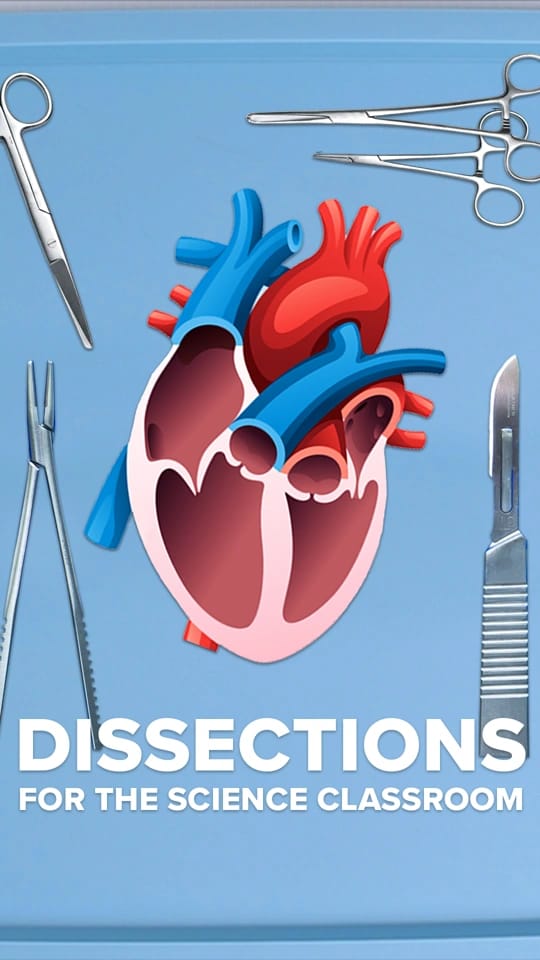
- Direct students to the dissection series of videos to learn proper techniques for dissection.
- Groups of students will dissect their turkey wing to analyze the muscles and bones within the wing.
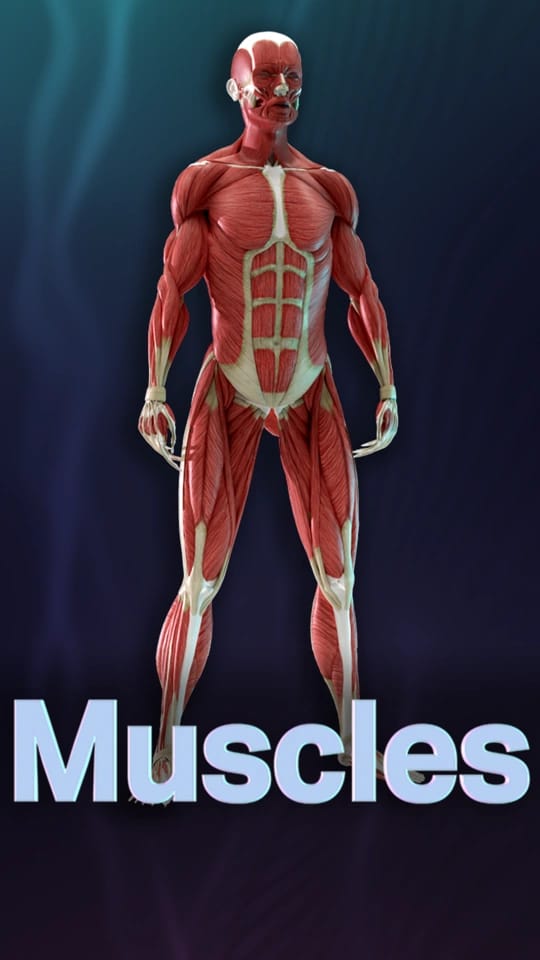
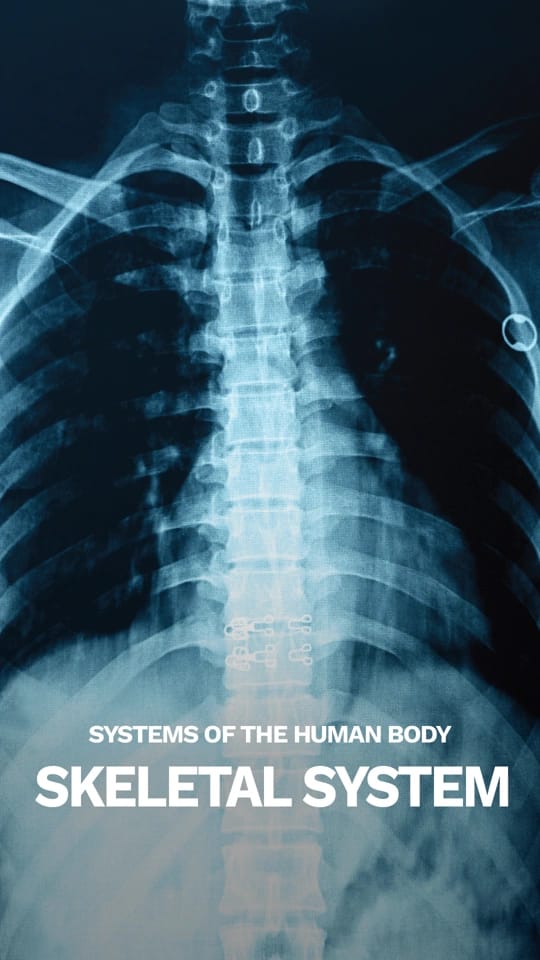
- Students can watch our skeletal system series and muscles series to make comparison between the turkey wing and the human body.
15) Thanksgiving cookbook
Math
Aim: This activity focuses on ratios and proportions to create a classroom Thanksgiving cookbook.
What you’ll need:
- Device to play a video.
- Materials to write a recipe (digital or paper).
Steps:
- Show The First American Cookbook.
- Have students choose a course for their Thanksgiving meal recipe (dessert, appetizer, etc.). They will then create their own unique recipe with correct ratios and proportions as well as cooking times. Have them highlight or underline each ratio within their recipe (for example, 2:1 for 2 cups of flour to 1 cup of water).
- Students should choose one ingredient and explain what would happen to the recipe if the ratio of that ingredient was askew in comparison with the other ingredients.
- To extend this activity students could create a cooking schedule to ensure their Thanksgiving meals come out on time and in the right order. They should include things like preparation and cooking times in their schedule.

16) Thanksgiving podcast
Social studies
Aim: Use video information to create a podcast about the history of Thanksgiving.
What you’ll need:
- Device to play a video.
- Devices to record podcasts.
Steps:
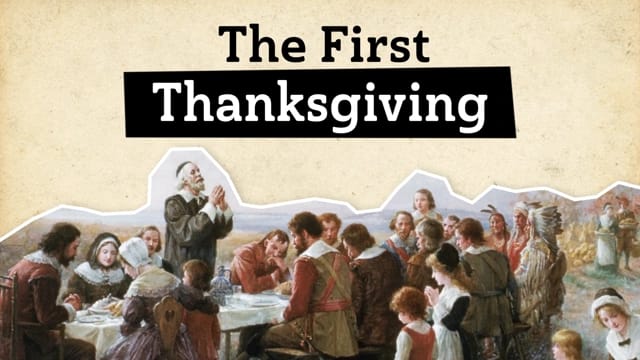
- Show the videos Thanksgiving, Thanksgiving (Miniclips), and The Pilgrims.
- After each video, ensure students’ clarity of the topics covered and/or have them take notes as they watch.
- Ask students to work in groups to create a podcast to demonstrate their understanding of the history of Thanksgiving, based on the videos. Free tools like Audacity can be used for students to create their podcasts. If this is new to you, check out this great blog by the National Education Association here to help you integrate podcasts into your teaching.
- Have students choose a few of their peers’ podcasts to listen to, followed by giving feedback to each other about whether the podcasts they listened to were historically accurate.
17) Turkey trot
Physical education
Aim: Participate in a fun run with a Thanksgiving theme.
What you’ll need:
- Area for running.
- (optional) turkey costumes or hats.
- Prizes for the top 3 finishers.
Steps:
- Turkey trots are typically held on Thanksgiving Day. They are recreational running events such as a one mile or 5K run.
- For high school, have students run the 5K, which equates to just over 3 miles. They can dress in turkey costumes if they’d like, to model the name Turkey Trot.
- Provide prizes for the top 3 finishers. Prizes may include Thanksgiving-themed items or food.
18) Gratitude challenge
Social-emotional learning
Aim: Reflect on things to be grateful for prior to Thanksgiving.
What you’ll need:
- Post-it notes.
- Large butcher paper for a turkey outline.
- Writing utensils.
Steps:
- In the week leading up to Thanksgiving, have students spend 5 minutes each day answering a specific prompt about gratitude. You can use these prompts or choose your own:
- What’s something you own that you’re grateful for, and why?
- Who is someone at school that you’re grateful for, and why?
- What is a song or movie or tv show that you’re grateful for, and why?
- What is a food you’re grateful for, and why?
- What is a life experience that’s been hard for you, but you’re grateful for, and why?
- The day before Thanksgiving, have students choose a few of their statements to write on post-it notes, then stick them onto a giant turkey outline.
- Have students read some of their peers’ gratitude notes.
In summary
These fun can be incorporated into the classroom during November and leading up to Thanksgiving. They teach important lessons about gratitude and kindness while building connections and fostering empathy. I hope you find something for your students whether they are primary, middle, or high school level.
References
- Uschsstaffuser. (2022, September 15). Watch our latest webinar! The History & Mythology of the “First Thanksgiving” United States Capitol Historical Society. https://capitolhistory.org/symposia/history-mythology-first-thanksgiving/
- Native Knowledge 360°—Rethinking Thanksgiving Celebrations: Native Perspectives on Thanksgiving. (n.d.). https://americanindian.si.edu/nk360/informational/rethinking-thanksgiving
- Zapata, C. (2024, January 31). Thanksgiving 2023 – Tradition, Origins & Meaning | HISTORY. HISTORY. https://www.history.com/topics/thanksgiving/history-of-thanksgiving
- Thanksgiving: Exploring Perspectives | Morningside Center for Teaching Social Responsibility. (2013, November 22). https://www.morningsidecenter.org/teachable-moment/lessons/thanksgiving-exploring-perspectives
- Breiseth, L. (2023, November 20). Making Space for gratitude: 15 ideas for schools during challenging times. Colorín Colorado. https://www.colorincolorado.org/gratitud
Share to

Annette Geiger
briefcase iconLanguage Coach / Content Creator
Annette has been teaching English as a Second Language since 2005. She has also created course content for educational publishers around the world. Today, she tutors primary age school children as well as language and soft skills for adult learners.
Other posts


Want more content like this?
Subscribe for blog updates, monthly video releases, trending topics, and exclusive content delivered straight to your inbox.