6 Cinco de Mayo bulletin board ideas to spark cultural appreciation
Published on 11 min read

In this guide
Why celebrate Cinco de Mayo in schools?
Cinco de Mayo is held annually on May 5th to celebrate Mexico’s defeat of the French Empire in 1862. It is also a wonderful opportunity to teach students about another culture.
Teaching students about other cultures and recognizing the cultures within a classroom can increase students’ overall cultural awareness, but can also help to create a positive environment for students. Inclusivity is imperative to building a classroom where students feel important and accepted for who they are.
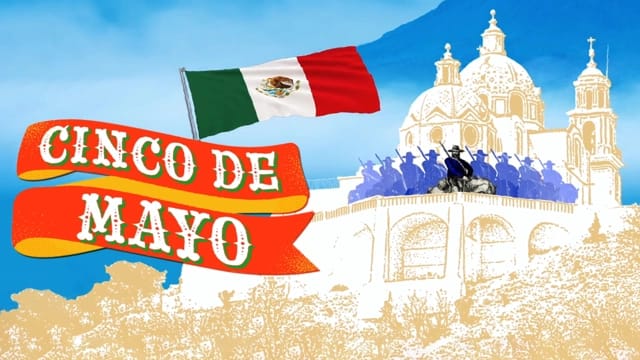
Much like Saint Patrick’s Day, Cinco de Mayo has become a popular way to celebrate the culture of a specific place. In the Mexican state of Puebla (also the name of the city), Cinco de Mayo is celebrated with a parade, cultural exhibits, and concerts. In other parts of the world, especially the United States, Cinco de Mayo is most often celebrated with food, music and cultural festivals.
In many cities in the American Southwest such as Los Angeles, California, or San Antonio, Texas there is a large population of people from Mexican descent. In these places, Cinco de Mayo is celebrated with parades, traditional music, dance exhibits, and food.

The purpose in celebrating holidays in school is to increase cultural awareness and to learn about customs and traditions of various groups of people. Even if there are not any students in your classroom from this particular background, it is still important that students learn about their world and the people who inhabit it.
Historical significance of Cinco de Mayo
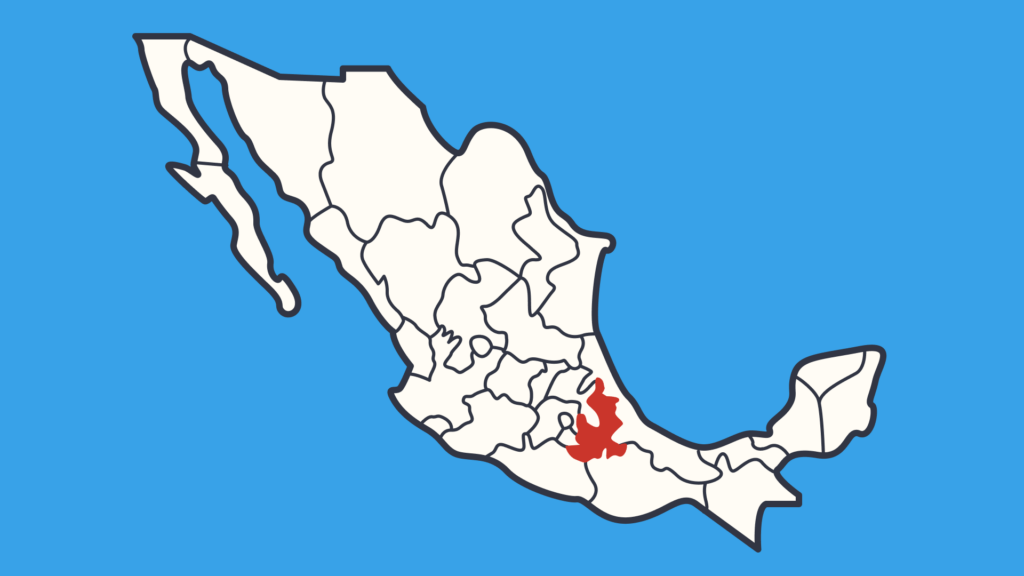
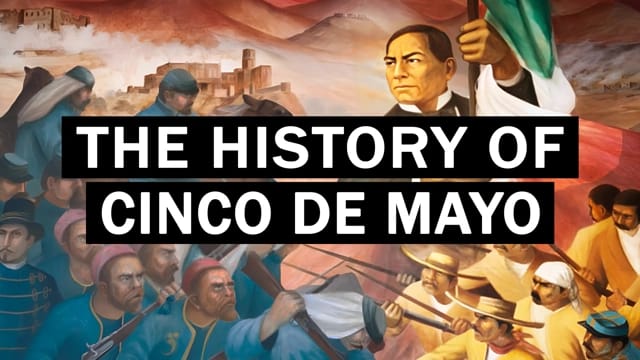
Cinco de Mayo, also known as the Battle of Puebla Day, is a day to remember the Mexican army’s victory over France at the Battle of Puebla in 1862. It is a day that commemorates the fighting spirit of the victorious Mexican army that was outnumbered by the French army. It is separate from Mexico’s Independence Day, which is September 16th.
It is not widely commemorated in Mexico outside of Puebla, but in the United States it has become a day to celebrate Mexican culture. In the United States, Cinco de Mayo is a way to celebrate the impact of Mexican culture on American culture. The contributions of Mexicans and Mexican-Americans to the worlds of art, cuisine, and literature are celebrated.
Cuisine
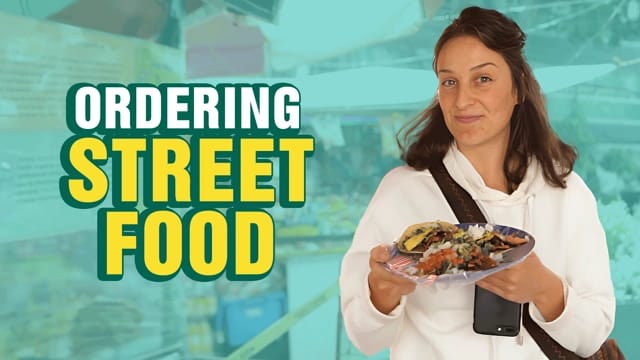
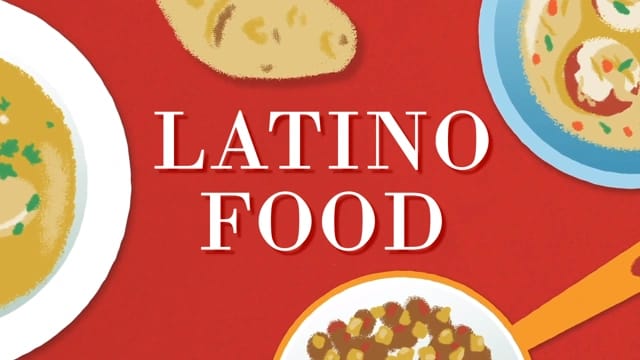
Cuisine is a large part of Mexican culture and Mexican food has impacted American food in significant ways; particularly in America’s Southwest, Mexican flavors have impacted food in a distinct way. The creation of the very popular Tex-Mex foods can trace their roots to Mexican food, however the use of chiles and Mexican spices can be seen throughout American cuisine.
Literature
Exploring any culture requires that we take a look at its literature and Mexican authors have contributed to literature development with concepts like magical realism. They have also given excellent examples of literature that addresses social justice and activism. Well known Mexican-American activists such Dolores Huerta and César Chávez have contributed to literature and ideas about social justice and human rights.
Art
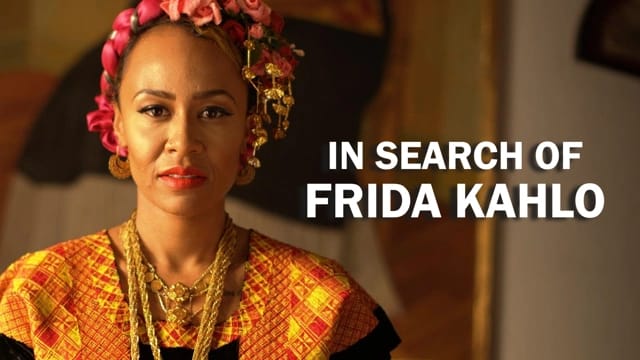
Mexicans have contributed to the world of art through both traditional and contemporary art. Muralism, the creation of large murals typically for political reasons can be seen in cities throughout the world. Contemporary Mexican painters like Frida Kahlo and Rufino Tamayo had an impact on surrealism, abstract art, and other contemporary artists.
Colorful and interactive bulletin board ideas
Bulletin boards are a great visual aid to present information. My mother was a teacher for most of my life. She is retired now, but she always made the most wonderful bulletin boards.
When coming up with ideas for bulletin boards, she is always an inspiration for me. Creating colorful and interactive bulletin boards can help students (and other teachers) to learn something new.
It is important when creating any bulletin board that expresses cultural appreciation to be respectful of that culture. Avoid using generic items such as tacos or piñatas without an explanation of how they relate culturally. The point of a bulletin board is that it shares information about a culture or holiday; you want those viewing it to gain a deeper appreciation for a culture and its traditions.
For bulletin boards celebrating Cinco de Mayo and Mexican culture it is important to use vibrant colors. The colors red, white, and green represent the Mexican flag. Traditional dresses like those used in folklórico dance are typically colorful.
You could focus on
1) History of Cinco de Mayo
Create a visual history of Cinco de Mayo that includes a timeline.
- Students can research aspects of the Battle of Puebla and the Franco-Mexican War.
- Include a section about important people like Benito Juarez and Napoleon.
- A fun way to make this interactive would be for students to create videos for each part of the bulletin board.
- These videos can be attached to a QR code so that people can watch students present various aspects of the bulletin board. This is a great way for students to have a part in creation and in the learning process.
2) Traditional Mexican art
Include pictures of traditional Mexican art.
- Students can research and learn about forms of visual art such as painting and Talavara pottery.
- Students can also research Mexican artists such as Frida Kahlo, José María Velasco, Diego Rivera, and José Clemente Orozco.
- Students could even use these artworks as inspiration to write a poem or create their own artistic piece. These can be displayed with the original picture of the art.
Or… Muralism is an art form that is popular in Mexico. Artists like Diego Rivera and José Clemente Orozco created murals to share Mexican heritage.
Murals were also used to make political statements and to encourage a sense of nationalism.
- Students can create their own murals to share something they are learning, about themselves, about an artist, or about Cinco de Mayo.
- Students can collaborate and create a mural to share what they have learned about Cinco de Mayo and Mexican culture.
These can be shared on a bulletin board or as a mural in a “nontraditional” bulletin board format.
3) Traditional Mexican food
Foods like tacos, enchiladas, and quesadillas have become commonly linked to Mexican traditions. However, the country of Mexico is large and there are many different types of traditional Mexican food as different regions have different types of food.
The state of Puebla is known for several distinct dishes.
- One is mole poblano, a dish made with poblano chiles, spices, and chocolate. Mole has a distinct flavor and many different recipes exist.
- Another popular dish in Puebla is chiles en nogada. This dish includes poblano peppers stuffed with picadillo and topped with a walnut-based sauce. It also includes pomegranate seeds and parsley.
Like any other traditional food, there are many differing recipes and stories behind the creation of these dishes.
- Students can research different examples of traditional Mexican food, where they are from, and the stories behind them.
- For a bulletin board students can create recipe cards that include a picture, ingredients, and facts about their food.
- Display these as a bulletin board “cookbook” that explores the importance of food in Mexican culture.
4) Music
Create a bulletin board with different types of Mexican music, such as Mariachi, Cumbia, Ranchera, and Norteño.
- Students can research types of music and artists and create a bulletin board.
- Consider including a listening station with your bulletin board. This can be with a device and headphones. People can listen to examples of different types of Mexican music.
Include sticky notes for listeners to share what their favorite type is or how the music makes them feel.
Or… Another way to share music would be for students to create an interactive timeline of Mexican music.
- Students can research and add information about the development of music in Mexico.
- Once the timeline is created, as a class, students can create a quiz that includes information from their research.
- This quiz can be shared via a QR code.
- When people view the timeline they can take part in the quiz to show what they have learned.
5) Dance
Dance is an important part of Mexican culture. Folklórico, which means “of the people” in English, is a term that encompasses many different types of traditional dance in Mexico.
Different regions of Mexico have their own type of traditional dance. For example, Jarabe Tapatío is a type of dance from the region of Jalisco. This dance is also known as the Mexican Hat Dance.
- Students can learn about different types of dance and the traditional attire worn in Mexico by watching videos and doing research.
- After watching these videos, students can create an interactive bulletin board.
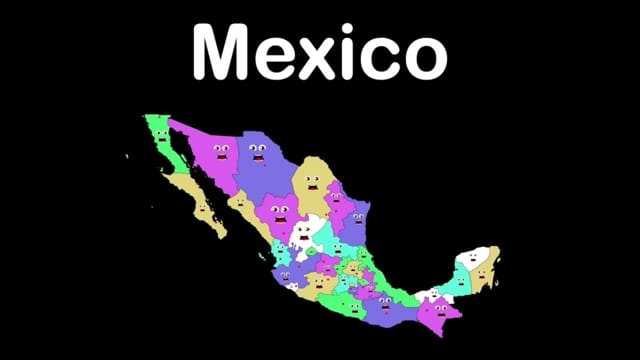
Or… Create a large map of Mexico with different regions outlined and labeled.
- Working in groups, students explore a region of Mexico and its traditional dance.
- Students can create a poster with information and pictures of their type of dance.
- Connect the location on the map to the poster for that region with a colorful string.
If students want to make the map more interactive, create QR codes with videos of the dances being performed at festivals or cultural events. These videos can also be instructional videos that break down how to do steps in the dances.
6) Cinco de Mayo around the world
Sharing how Cinco de Mayo is celebrated around the world can broaden students’ understanding of celebrations and how they differ across cultures.
Cinco de Mayo is primarily celebrated in the Puebla region of Mexico and in the United States. However, Mexican immigrants around the world may also celebrate individually.
- For a creative bulletin board create a large Venn diagram using butcher paper.
- Students research and learn ways that Cinco de Mayo is celebrated in Mexico and in the United States.
- They can include pictures of food, celebrations, and festivals.
- Using the Venn diagram students include ways that celebrations compare and differ between the two countries.
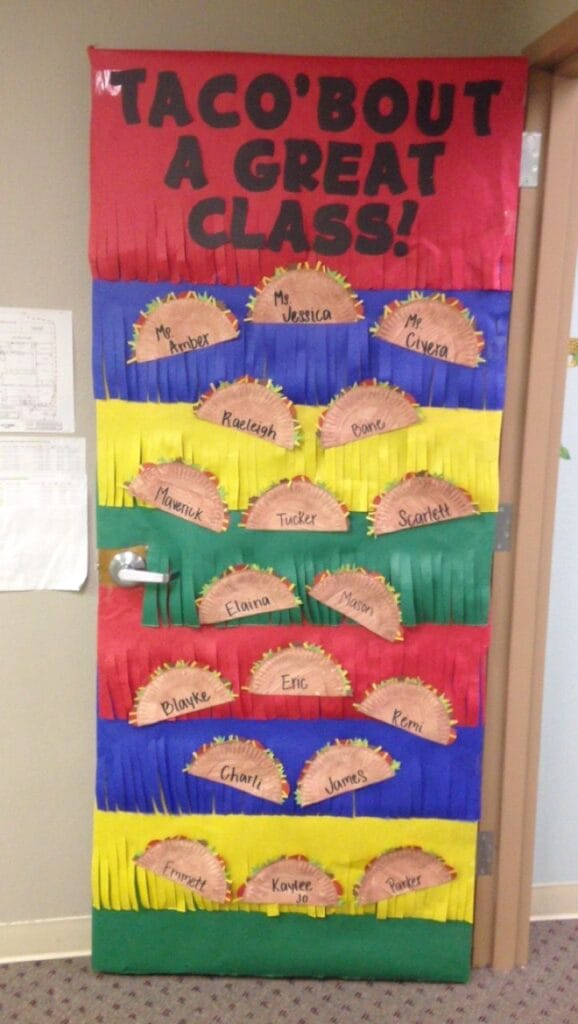
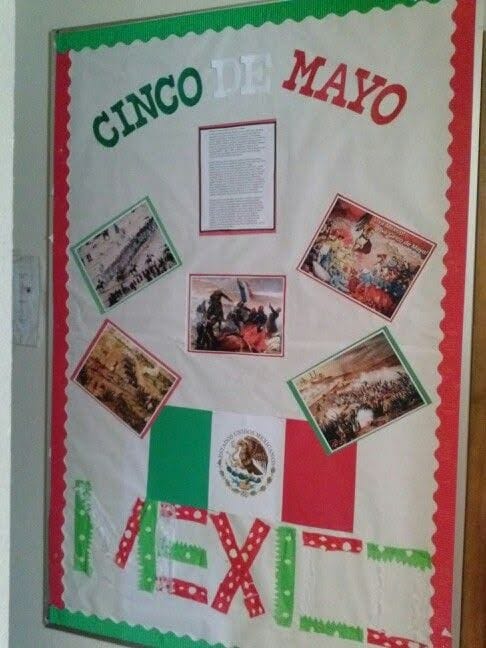
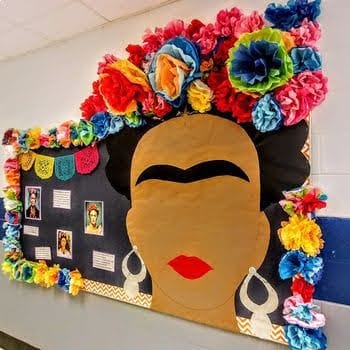
Here are a few picture examples of colorful Cinco de Mayo bulletin boards:
Incorporating student participation in bulletin boards
Interactive bulletin boards are better when students participate in their creation as students tend to learn more and are more invested when they are part of the process. Below are a few ideas to include students in bulletin boards in general, not just ones for Cinco de Mayo:
1) Student created videos
Students create videos sharing what they have learned, sharing their artwork, giving a short presentation, or reading poems/stories they have written.
Use QR codes to link to an interactive bulletin board.
2) Polls, surveys, and quizzes
Polls, surveys, and quizzes are a great way to help viewers interact with a bulletin board or other presentation.
Student created polls, surveys, and quizzes help students to build a deeper understanding of learned material. QR codes also come in handy for linking polls, surveys, or quizzes to bulletin boards.
Not only do polls, surveys, and quizzes help viewers interact with the information on a bulletin board, but they can also be used to teach students about data collection and analysis. Students learn how to formulate questions and how to create these items to better interact with their audience.
3) Student originals
Include students’ original writing and artwork when creating bulletin boards. This lends an authentic aspect to their presentation as students will have ownership of the work presented.
4) Student designed
Allow students to determine the design and layout of bulletin boards. Particularly older students, or those who enjoy being creative, can benefit from being allowed to be a part of the design and creation of interactive bulletin boards.
This can be a group project and rotated between groups of students throughout the school year.
Using artwork and cultural symbols to enhance engagement
When using artwork and cultural symbols the most important thing to remember is to be culturally sensitive. Artwork and cultural symbols should serve a specific purpose and reflect the culture they represent in a way that promotes understanding and respect.
1) Gallery walk of art
Create a gallery walk for students that includes various types of artwork from the culture you are exploring. These can include pictures, videos, and physical artifacts.
Students can share how the artwork makes them feel or why they think the artist created the piece.
These reflections can be shared on sticky notes or in students’ journals.
2) Storytelling
When sharing artwork or literature, share the cultural context with students. It may take research on your part, but share the story behind the artwork and how this story links to the artist’s culture.
Through these stories students can gain a better understanding of a culture and how art is used to express ideas.
3) Virtual tours

Take students on a virtual “tour” of a culture’s artwork/symbols.
Include pictures of the places where art comes from, various forms of art, and symbols of the culture you are sharing with students.
Many museums have already created these, but curating your own allows you to choose art appropriate to what your students are learning and their level/age.
These “tours” can also include music from a culture. This gives students an opportunity to not only see visual art, but they can experience how music is a part of culture as well.
Bulletin boards are just one way for students to learn about culture and to share their knowledge. Involving students in their creation can increase engagement and add a personal connection to their learning.
References:
- Clark, B. (2023). 15 Types of Mexican Music. Available at https://www.musicianwave.com/types-of-mexican-music/ (Accessed March 19, 2025).
- Constantin, E., Cohen-Vida, M., Popescu, A.(2015). “Developing Cultural Awareness”, Procedia – Social and Behavioral Sciences, 191, pp 696-699, DOI: https://doi.org/10.1016/j.sbspro.2015.04.228
- History.com Editors, Cinco de Mayo. Available at https://www.history.com/topics/holidays/cinco-de-mayo (Accessed March 19, 2025).
- Mexican Muralism Movement (no date). Available at https://www.theartstory.org/movement/mexican-muralism/ (Accessed March 19, 2025).
Share to

Mattie Farrer
briefcase iconAVID Site Coordinator / Content Curator
Mattie Farrer has been an educator in various grade levels and capacities during her career. She has a passion for supporting English learners and their language development. She also loves helping teachers reach all students.
Other posts

Want more content like this?
Subscribe for blog updates, monthly video releases, trending topics, and exclusive content delivered straight to your inbox.