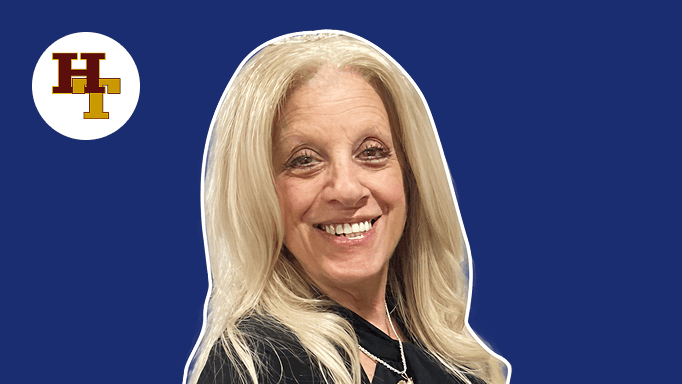
Blake Hopper
"Librarians are powerful instructional partners who can directly impact student achievement."
Blake Hopper, Assistant Principal
Tazewell-New Tazewell Primary School
Claiborne County SD, TN

How has your transition been from being a very active school librarian to now becoming a school administrator?
Librarians don’t often see themselves as leaders, but in many ways, I was already leading from the library. I helped organize literacy nights, supported STEM nights, and contributed to school-wide events. As a librarian, you interact with every student, so you naturally develop a strong sense of school-wide culture and discipline - not because you’re managing behavior all day, but because you’re connecting with hundreds of students. I had 525 students, kindergarten through fourth grade, and that experience really prepared me for leadership. I spent five years as an elementary school librarian, five years as a K-8 librarian, and two years as a classroom teacher before becoming a middle school assistant principal. Now, I’ve returned to Tazewell-New Tazewell Primary as an assistant principal. Some people assumed I’d move away from library work, reading, and technology once I became an administrator. But those are the very experiences that make me a better leader. I understand the instructional and literacy lens that librarians bring to a school. I do miss the library - I loved being a school librarian and championing reading and information literacy. But this new role was a great opportunity for my family and career. It also allows me to advocate for school libraries in a new way. When I became an assistant principal at Livesay Middle, the library there was really outdated. I encouraged our librarian to begin updating the space, and by chance, a furniture company, KI, reached out to me. They had learned about my transition from librarian to administrator and invited me to judge a contest - in return, they offered $20,000 in library furniture. That project helped kick off a full library renovation. We updated the collection, added murals, created a makerspace, and even replaced the carpet with help from the PTO. That process made the transition easier for me because I still got to pour into library work while stepping into administration. We’ve since hired a new certified librarian, and I’ve enjoyed mentoring her through her first year in the library. It’s been a great way to stay connected to my roots while continuing to grow as a leader.
What was your favorite activity you ran out of your library?
My favorite part of being a librarian was spreading “book joy.” I loved helping students discover books that truly interested them and encouraging a love of reading. I worked hard to keep our collection fresh and relevant - spending about $15,000 a year through book fair and county funds. I also loved incorporating digital resources like PebbleGo to inspire curiosity and research. Watching students explore topics and make discoveries was so rewarding. Collaboration with teachers was essential, but from a student perspective, my passion was sparking curiosity and building lifelong readers.
What are the best practices for librarians who want to collaborate more effectively with teachers?
In many schools, teachers haven’t experienced strong library programs so it’s up to librarians to change that perception. I made it a priority to introduce myself, send newsletters, and proactively find standards where I could collaborate. I’d go to teachers and say, “Hey, I found this standard, want to collaborate on a project?” I would gather materials and resources to make it easy for them to say yes. I also tracked and shared monthly statistics showing how the library supported instruction. Once a few teachers saw the benefits, the collaboration spread naturally. It’s so important for librarians to advocate for flexible schedules that allow time for collaboration. I was on a fixed schedule at first, but I worked with my administrators to move to a flexible model - and it made all the difference. Finally, librarians should attend PLCs and grade-level meetings. You may think, “That’s not for me,” but those meetings are where you find ways to support instruction. When teachers and administrators see you as an instructional partner, not just the “book person,” your impact multiplies.
How did your library program influence the larger school community?
I wanted every student to have equal opportunities to explore their interests, so I built the collection based on their feedback. I surveyed students, talked with them, and made sure we had books that reflected their voices and curiosities. One of my favorite school-wide initiatives was the 20 Book Challenge. Students read 20 books of their choice, no quizzes or tests required. It was based on the honor system, and we celebrated reading for fun. Students could read anything: graphic novels, nonfiction, picture books, whatever inspired them. That inclusivity made reading accessible and joyful for everyone, which created a stronger reading culture school-wide.
If you could speak to a room full of principals and assistant principals, what would you want them to know about the power of their school libraries?
I’d tell them that librarians are powerful instructional partners who can directly impact student achievement. When librarians are empowered to collaborate and lead, reading scores rise. At my previous school, we saw noticeable growth in reading data, and even local news outlets highlighted how Maryville City Schools credited librarians with helping improve third-grade reading scores in response to Tennessee’s retention law. Administrators need to know that librarians aren’t there just for lunch duty or intervention blocks. They are instructional leaders who can help raise data across the board, if they’re given time and trust to do so. The library is the heart of the school, often literally in the center of the building. It’s where curiosity, collaboration, and creativity come together. Librarians keep that heart beating, and as administrators, we need to make sure it keeps thriving.

Lightning Questions
1. What book are you reading now?
The Night War by Kimberly Brubaker Bradley.
2. Who is the one person you follow on social media that you always learn something from or who makes you laugh?
Katie Capshaw.
3. Favorite tech tool currently?
Beanstack.
4. What is the best part about your role that others might not realize?
I love the small wins. When a student finally gets it or we connect with them.
5. What is one piece of advice you’ve received that has been the most beneficial to your career?
Do not die on the mole hills.