
Bullying in schools: Tips for teachers to respond and prevent
Published on 9 min read


In this guide
Recognizing the signs of bullying in school
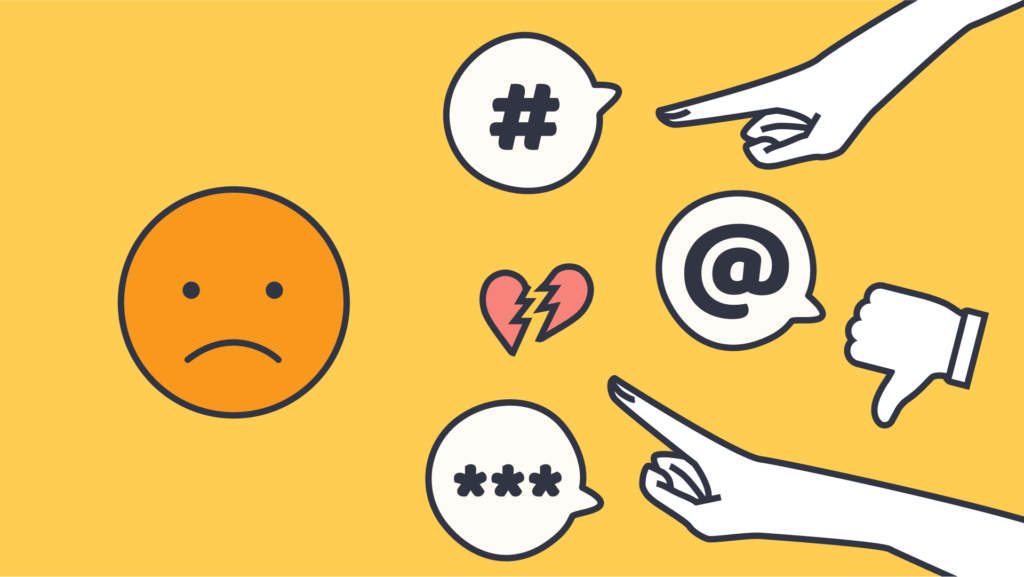
The time we spend in school not only shapes our future academically, but also our social and emotional wellbeing, with impacts that can last well into adulthood. If we are bullied in school, these scars are often carried with us, both mentally and physically, for many years.
Unfortunately, bullying in schools is still prevalent in many countries around the world. In fact, in a multi-national study across 83 countries, 30.5% of adolescents reported being bullied. (Eclinical, 2020)
These are worrying statistics, not least because a lot of the bullying that happens to our young people is now conducted through mobile phones, and social media. How then, do we recognize the signs of bullying, if we cannot see it in our classrooms or school corridors?
There are some signs that we can look for and, in doing so, we are helping to protect the physical, mental and emotional health of our students.


Some of the signs that may or may not be present if a young person is being bullied:
Frequent absences
- Many students are now becoming reluctant to even go to school to avoid the people who are bullying them whether in person, or digitally.
Frequent lost belongings
- Try not to jump to the conclusion that a child is being scatty, is there something else going on?
Changes in behavior, such as sudden aggression, anger or withdrawal
- These changes in behavior may occur suddenly or there may be a slow change over a period of weeks or months.
Avoiding certain areas of the school, such as the canteen, the playground, or a particular corridor
- Perhaps there is a certain place where the bullies wait.
Drop in attendance, academic achievement, or participation
- If a student is preoccupied with being bullied, it is highly unlikely they will be able to maintain their level of academic performance.
Physical symptoms, such as headache or stomach ache, that don’t seem to have a clear cause
- Being bullied, or indeed bullying, can induce feelings of stress and anxiety which then manifest as physical symptoms in the body.
Refusal or reluctance to talk about certain students or situations
- Students may feel worried or scared about telling an adult what is going on.
Of course, any of these signs could be completely innocent, but, by really getting to know our students, we are then more likely to recognise unexplained changes in behaviour.
Many students will deny if they are asked outright if they are being bullied, but if we can keep an open line of communication with our students, and build up a level of trust and rapport, we have a much greater chance of being able to help when help is needed.
Immediate steps teachers can take when bullying occurs
If you as a teacher witness any signs of bullying at all, or if it is reported to you by a student or a member of staff, it needs to be taken very seriously, and swift action must be taken:
Separate the students involved, if necessary.
- It is important at this stage that you are calm and in control and that at this stage you are not trying to assign blame or figure out who is in the wrong.
Listen to all parties, including any bystanders or any other witnesses.
- This must be done as soon as possible, and in private. Allow students to talk freely, without asking any leading questions.
Document the incident.
- Recording what happened, when, who was involved and how you responded.
- All schools should have a protocol for this procedure, make sure you are familiar with yours and keep up to date with any changes!
Support the victim/s.
- Be sure to check in regularly with them to see how they are doing.
- By this stage, the parents should have been informed, so be sure to communicate regularly with them to see how the student has been at home.

Accountability
- Is extremely important not only for the bully but for anyone else involved- be it bystander, or miscommunication between a number of students.
- It is important that all people involved can unpack the situation and see how their behavior was inappropriate or wrong but also that other students see how seriously bullying is taken in your school setting.
All students should be encouraged to reflect on why their behavior was wrong and how it has made others feel, rather than focus on punishment.
Your school’s behavior policy should outline the procedures that will be taken following the incident.

Preventative classroom strategies to reduce bullying
The best way that we can try to prevent bullying from happening in our schools is to create an environment and a culture in our classrooms and schools of mutual respect, safety and compassion.
Classroom Values
- From the start of the year, work hard to establish your expectations of kindness and respect for all members of the school community.
- Praise those who show these values, and for those who make mistakes, reflect with them and help them to see how their actions impact others.


Circle Time
- Hold regular circle times where you can discuss feelings, friendships and proactively address any issues that may have arisen recently.
- In my experience, having a safe space like this for students to talk about how they have been made to feel can have the greatest impact on those who have experienced these happenings.
Teach Social-emotional skills!
- It may seem like you are teaching students to suck eggs, but so many of our students may arrive into our classroom without the skills to resolve conflict, or to empathize, or to stand up for themselves and others. This is becoming an increasing problem in many classrooms and often needs to be explicitly taught and/or encouraged in schools.

In addition to these classroom practices, it can be very impactful to hold whole-school events that focus on standing up against bullying. Why not hold an assembly, highlighting what bullying looks like and how it can impact people’s lives? You could include some stories from your students, or hear some student stories from the series What Brave Looks Like.
Many schools take part in Anti Bullying Week to raise the profile of the importance of preventing bullying, and to reinforce in student’s minds what they should do if they are being bullied or if they witness bullying. The topic page Bullying also has some excellent resources to share with your students.

Fostering empathy, inclusion, and student voice
Fostering empathy is probably the single most important thing we can do to prevent bullying from occurring in our schools. If a student is truly emphatic, the likelihood of them becoming a bully is very low!
Empathy is, of course, a trait that must be taught and kindled from a very young age, but there are plenty of opportunities to foster empathy in the classroom:
Use of a diverse range of resources
Bullying frequently occurs because somebody is ‘different.’ Whether that be skin color, clothing choices, religion, cultural background, a difference in ability, or something else. By using a range of books, stories and classroom resources that show diversity, we can help to negate that ‘otherness’ that students may otherwise feel.
Daily check in
One of the most impactful things I have implemented in my classroom was a daily check in. During the register, or sometimes on a little board, students can let me know how they are feeling on that day.
I have used a scale, such as 1 = feeling really low and 10 – on top of the world and ready to tackle new learning.
Or for younger learners a color chart, red = not feeling good and green = good to go!
This check in can give you as a teacher a chance to literally check in with those students who might need a bit of support, comfort or guidance from you that day. This can make all of your students feel seen, heard and valued.
Student voice
In your classroom, this might look like students having roles to fulfill, such as tidying the pencil pots or organising the books. You may also encourage democracy by including your student’s thoughts and opinions on decisions that impact them, such as where to go on a school trip or what movie to watch on your treat day.
Implement peer support
Assign students to be a ‘buddy’ for newcomers, regularly offer the chance for students to work together on projects, and praise when you see new friendships forming.
Celebrate each other!
Create a sense of community and family in your classroom by encouraging your students to support and celebrate each other! Allow students to share achievements with the class, and celebrate these together!
Even something as seemingly insignificant as learning to tie up their own shoelaces can often be a big deal to your students; having the opportunity to share these little wins can help them to feel supported by their peers.
Of course, these strategies probably won’t prevent 100% of bullying from happening, but if all your students feel valued, heard, happy and important in your classroom, they will hopefully feel more inclined to include others than exclude, and more likely to help others than to harm them.

Collaborating with parents and school staff for lasting impact
As previously mentioned, for a school to be as effective as possible in preventing bullying from occurring, there needs to be a number of school wide measures in place. If you don’t feel like there are enough measures in place in our school, talk to your safeguarding lead or your head of school and discuss your concerns!
Sometimes, the leadership team can be unaware of things that are actually happening on the ground, so by keeping those lines of communication open and honest, you can work alongside your school staff to ensure that your school is a safe, happy and welcoming place for all learners.
Additionally, make sure you as a teacher stay up to date with all your school policies and take part in any relevant staff development and training so that you can stay up to date with school policies and local resources.
When preventing bullying in schools from happening in the first place or from recurring, communication is vitally important! Communicate early and often with parents!
In schools I have worked in previously, we have held parent workshops in an effort to prevent bullying from occurring. Many parents might be completely unaware of the fact that bullying can happen in class whatsapp groups, or online. By educating them on potential dangers, and encouraging them to check in with what their children are doing when online, we can help to prevent this sort of bullying from happening.
In summary:
- Ensure you are aware of school policies.
- Stay up to date with staff training sessions.
- Talk to your leadership team, address any worries or concerns and keep them updated with what is happening in your school.
- Communicate with parents consistently and regularly.
- Educate your parents and school community on the types of bullying that are not always visible.
But most importantly
- Know your students so that you can pinpoint behaviour changes – the red flag for bullying and other concerns.
Addressing bullying in schools is a significant responsibility, but it is also an opportunity to improve the lives of our students. By being alert to any changes of behavior in our students, keeping your ear to the ground in the corridor, acting swiftly and with clarity, and nurturing a safe and inclusive classroom, we can make a real difference in the lives of those we are educating, both now and for many years to come.
Share to

Ruth Litchfield
briefcase iconEducator & Education Content Creator
Ruth is an experienced primary school educator of over a decade, and an Educational Content Creator. She specialises in creating fun and engaging activities that require minimal resources and cover multiple curriculum areas.
Other posts


Want more content like this?
Subscribe for blog updates, monthly video releases, trending topics, and exclusive content delivered straight to your inbox.