
Ideas for Teaching and Celebrating International Women’s Day
Published on 6 min read

In this guide
Why International Women’s Day is important for students

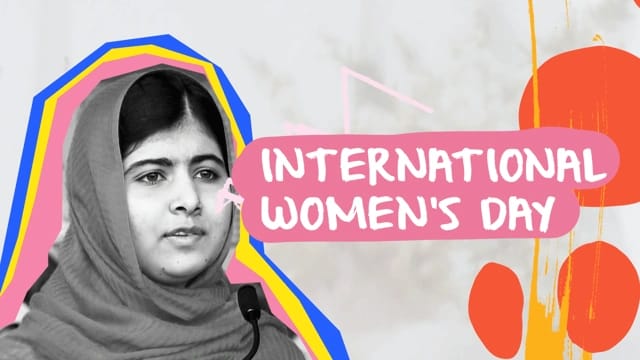
International Women’s Day is celebrated annually on the 8th of March to honour the achievements and contributions of women to our world. The day also serves to elevate and advocate for the need for gender equality. International Women’s Day serves as a reminder and acknowledgement of the work that still needs to be done to create a more inclusive world.
Classroom activities to celebrate International Women’s Day
The best way to ignite students’ learning of International Women’s Day is to bring fun and engaging activities to celebrate the contributions and impact women had and continue to have on our world.
Consider tailoring the following ideas to your classroom environment:
1) Raise awareness
Start by introducing International Women’s Day to your students and classroom.

- Watch International Women’s Day.
- After watching the video, check for student understanding by discussing the following topics in detail:
- Gender equality
- Women’s suffrage
- Stereotypes
- Lead your students in an age-appropriate discussion.
- As students watch the video, consider creating a ‘web’ graphic organiser with International Women’s Day in the middle. As you are learning, add details to the web.
2) Women in history

- Assign students a woman from history to research and creatively present to the class.
Encourage them to explore various fields such as:
- STEM
- Literature
- Politics
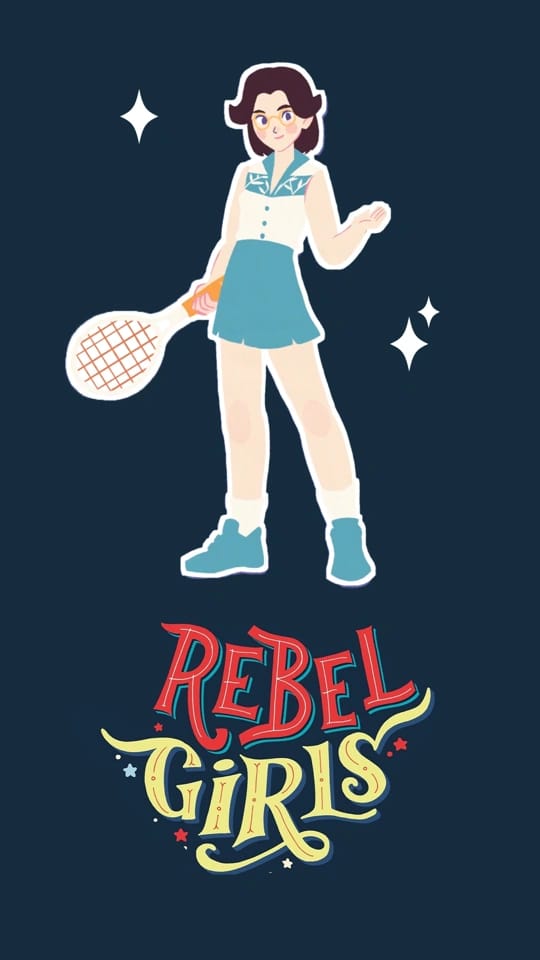
- Sports
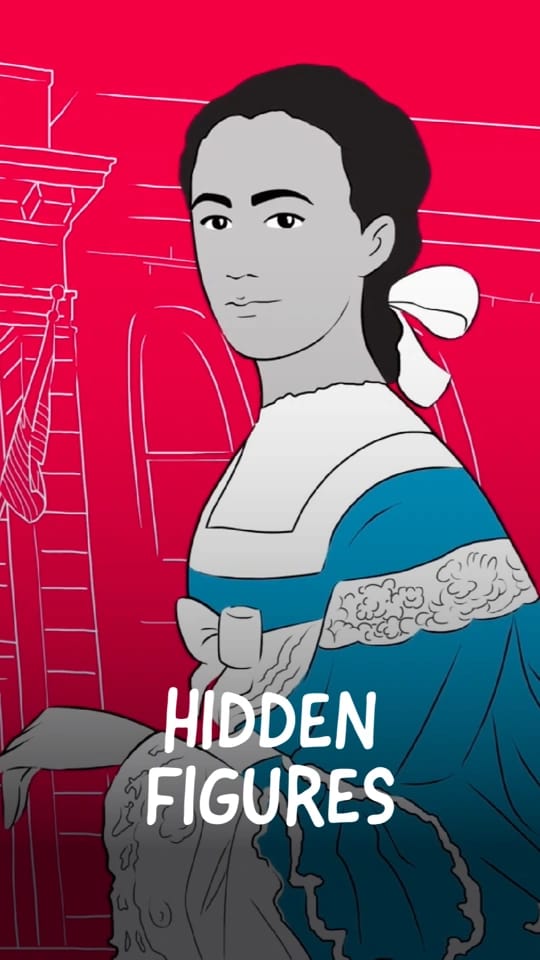
- Consider using the Hidden Figures series to discover short impactful videos about women in history.
- Younger students can create a visual poster on paper or digitally, while older students can create a multimedia presentation such as a podcast, video, or presentation.
3) Letter writing
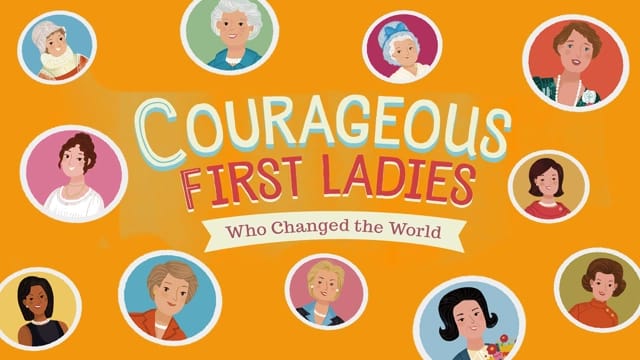
- Have students create a letter to a woman who has inspired them.
- Students can select:
- A woman in history
- An important woman in their life such as a teacher
- Family member
- Classmate
- Share sentence starters with students such as:
- I am grateful for you because…
- You inspire me because…
- I have learned ____ from you
4) Number equality
For a cross-curricular approach, older students can research and analyse data related to gender equality.
Consider discussing wage gaps, women’s representation in leadership, or educational access for girls around the globe.
5) Read-aloud
- Share books and stories centred around strong women.
- Discuss the characteristics and character traits of these women and what we can learn from their lives.
- Stories like ‘I Am Malala inspire young people to fight for equality and change.
6) Art gallery
- Students can express their creativity by designing posters, drawings, or multimedia artwork that celebrates women’s achievements and shares themes of empowerment and equality.
- Display this artwork around the school and community to spread awareness beyond the classroom.
- For older students, consider creating a “Wall of Women” and dedicate a section of your classroom or school building to showcase influential women.
- Students can research and write short biographies or quotes by these women to help others learn and reflect on their lives.
Highlighting women’s achievements across history and fields

When preparing International Women’s Day activities, it is important for students to see that women have contributed significantly across all fields, despite the barriers they have faced throughout history.
Introduce your students to the following women across different disciplines:
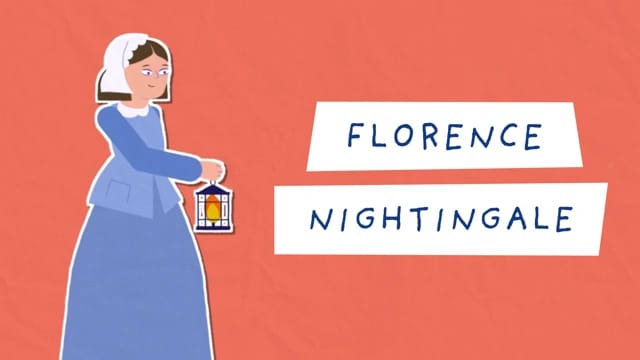
1) Florence Nightingale
Florence Nightingale was a nurse who saved millions of lives by encouraging us to wash our hands.
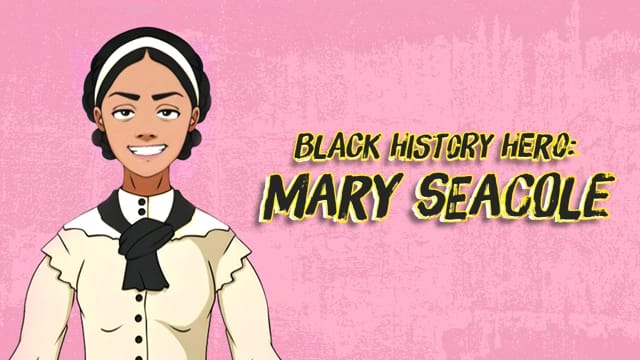
2) Mary Seacole
Mary Seacole was a nurse and businesswoman. She was the first black female author to have an autobiography published.
3) Mary Anning
Mary Anning was a fossil collector and became famous for her fossil discoveries.
4) Ada Lovelace
Ada Lovelace was a mathematician, writer and digital pioneer; she’s largely considered the first computer programmer.
Engaging discussion topics for students
Classroom discussions are a great way to help students develop their own perspectives and ideals around gender equality.
Ask students the following questions to spark meaningful conversations:
Primary:
- Who is a woman in your life or in history that you admire? Explain why they stand out to you.
- What are some ways we can treat all genders equally?
- How do women help shape the world around us?
- How do you know someone is a strong leader? Can you think of a woman who shows these qualities?
- Why is it important to celebrate International Women’s Day?
KS3:
- What challenges have women faced throughout history, and how have they overcome them?
- How can media (movies, books, and TV) influence how we see gender roles?
- Why do you think it’s important to acknowledge women’s achievements?
- How do gender stereotypes affect the ways people live their lives?
- How can we support gender equality in our community?
KS4:
- How do gender stereotypes manifest today and how can we challenge them?
- How has women’s role in society changed over the last century?
- Why do you think some fields still have fewer women than men? How can we change that?
- How do cultural backgrounds impact the experience of a woman?
- What can we do to make schools more equal for everyone?
After these discussions, consider extending the activity to have students create and write speeches to present to the larger student body or school community.
Educational tools to bring International Women’s Day to life
Consider utilising a variety of engaging resources to bring International Women’s Day to life.
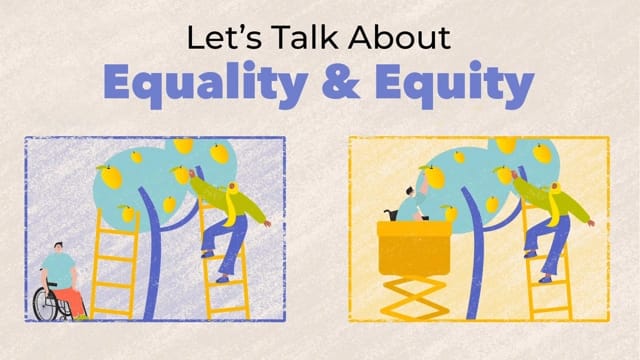
1) Equality and equity
This video explains the difference between equity and equality and why it is important to understand the difference.
Use this video to explain the gaps of equality among men and women and how we can create a more equitable world inclusive of all genders.
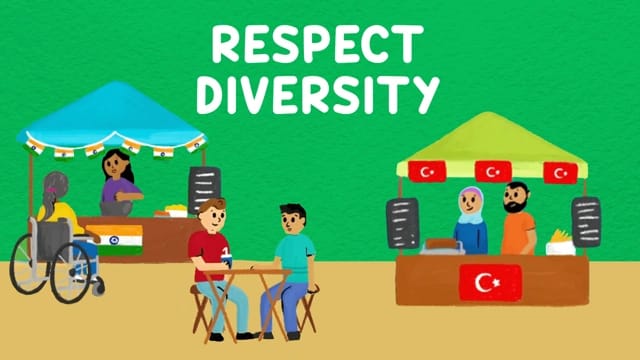
2) Respect diversity
In this video, students will create a sculpture or mural that values diversity and celebrates the positive contributions people have made to our world.
Students will look closely at heroes of the world and can focus their research and art on the contributions of women worldwide.
3) Gender bullying
Use this video to learn about gender stereotypes and gender bullying.
Discuss with students why people might bully and the types of bullying someone might face. Then, brainstorm how we could eliminate gender bullying across the globe.
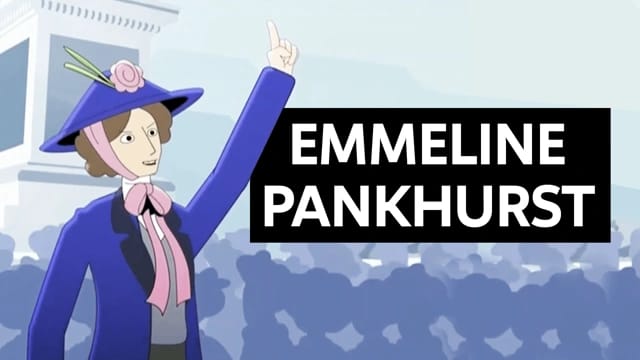
4) History: Emmeline Pankhurst and the Suffragettes
Emmeline Pankhurst and the Suffragettes were instrumental in getting women the right to vote.
Using their right to free speech, women were protesting in new and innovative ways.
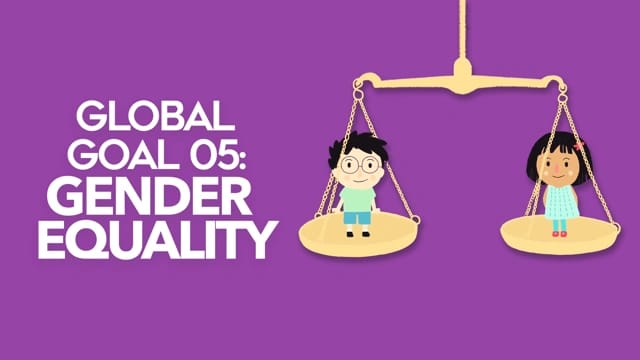
5) Global Goal 05: Gender Equality
Students can learn about the United Nations’ goal of gender equality across the world.
By the year 2030, the United Nations are working towards ending poverty, protecting the planet, and ensuring that all people have peace and prosperity.
6) Women in ancient Athens
Learn about the life and rights of women in Greece and understand the important roles women played in ancient society.
The goal of International Women’s Day is to foster awareness, appreciation, and activism towards a more gender inclusive world. International Women’s Day is an incredible opportunity for students to be inspired by the work of women in history and empowered to continue to fight for gender equality in all areas of our world. By integrating engaging activities, thought-provoking conversations, and a wide range of multimedia resources, teachers can create an impactful learning environment.
Share to

Victoria Dotson
briefcase iconLiteracy Specialist
Victoria Dotson, an esteemed educator and professor in Chicago, Illinois, leverages her background as a Literacy Specialist to support multilingual learners and mentor preservice teachers. Victoria excels in developing literacy practices, promoting diverse literacy experiences in the classroom, and developing restorative curriculum.
Other posts



Want more content like this?
Subscribe for blog updates, monthly video releases, trending topics, and exclusive content delivered straight to your inbox.