
Lesson planning advice for a virtual classroom
Published on 11 min read
Written byRachel Coathup
In this guide
- 1) Preparing for Virtual Teaching
- 2) Virtual Teaching Practice
- 3) Bridging the Digital Divide
- 4) Online Platforms and Resources
- 5) Advice on Giving Instructions
- 6) Lesson Planning
- 7) Maintaining Student Engagement
- 8) Asking for Feedback
- 9) Communication and Partnerships
- Final takeaway tips
- Learn more about ClickView
For many teachers, virtual teaching presents a set of challenges that can make quality instruction difficult. With practice, your confidence will grow as you find the right platforms to facilitate a productive learning environment and figure out how to support your students as they learn remotely. Below, we outline some essential considerations teachers will have to make and advice to help you prepare better virtual teaching experiences for yourself and your learners.
1) Preparing for Virtual Teaching
As you’re getting started with online teaching, there are some practical steps you can take to make the transition smoother.
Experienced teachers have made the following suggestions:
1. Develop learner guidelines – Your school/institute should have policies for online learning (e.g., Department of Education). If you think it’s necessary, you could also develop guidelines and a set of expectations for online lessons.
Your guidelines might include instructions for students about cameras on/off, mics on/off, chat on/off, their uniform, and if they are allowed to chat about non-lesson stuff etc.
Communicate your online expectations clearly to students and recap them at the start of each online lesson.
2. Set realistic expectations and collaborate – With a vast array of platforms, learning apps, and the challenge of the real-life application of online classrooms, there is a lot to learn. Teacher training is needed, and teachers need opportunities to share their experiences and reflect. Team teaching online can make delivering the lesson and providing feedback easier by splitting up these elements.
3. Establishing classroom management procedures – Teachers should have the opportunity to rehearse virtual classroom management, even if this is just with colleagues. Practice your procedures for muting mics, raising hands, participating in chat box, and using break out rooms if available.
4. Implementing online learning – If you introduce new tools and platforms, ensure that support is provided through videos and handouts. Limiting the number of new tools that are introduced will prevent overload and make learning online less complicated.
Don’t be intimidated by the overwhelming amount of learning platforms and apps that seem to multiply and change daily. Your emphasis should remain on teaching and learning, so find a suitable format for your needs.
If introducing new tools and platforms ensure that support is provided either through videos / handouts to help support learners. Also reduce the amount of new tools that are introduced as to not overload and complicate the process of learning online.
2) Virtual Teaching Practice
Be your best version online. Your students need your direction and support in their learning, so be mindful of enthusiasm and act naturally when communicating with them as though you were in your physical classroom.
When you’re teaching from home, consider:
- Setting up a distraction-free workspace (no pets or children running around)
- Making sure what is visible in the background is appropriate (and maintains your privacy)
- Dressing appropriately for teaching
- Minimising background sounds from the TV, music, and family
- Keeping resources organised and nearby
- Practicing with the technology you will be using
It will be impossible to pre-empt every interruption that may occur during your online class but remain professional, and you will find your rhythm.
3) Bridging the Digital Divide
Remote learning online will be impacted by connectivity, access to appropriate devices and software, and the student’s digital literacy. Your school may have a program to loan devices, and government strategies like the Get Help with Tech Programme can help.
You can also help make lessons more accessible for students by:
- Surveying students/families about access to devices at home
- Thinking about work that can be accessed and completed on smartphones or other devices
- Having downloadable lesson content that students can access offline
- Providing lesson content online or via printed resources
- Using simple platforms and software and providing training on their use
- Implementing a Virtual Learning Environment (VLE) to enable access to learning materials
If students have access to devices to complete tasks, consider whether it always needs to be an onscreen activity or could they benefit from doing it away from their screens. For example, you could record your voice as a podcast rather than a video lesson or ask them to create or measure something outside.
4) Online Platforms and Resources
Numerous online platforms can facilitate online learning. Some schools will mandate that their teachers use one of the school’s choosing. The Department of Education has prepared many online resources to help teachers with online education.
But if you want to go beyond that, try one of these free resources:
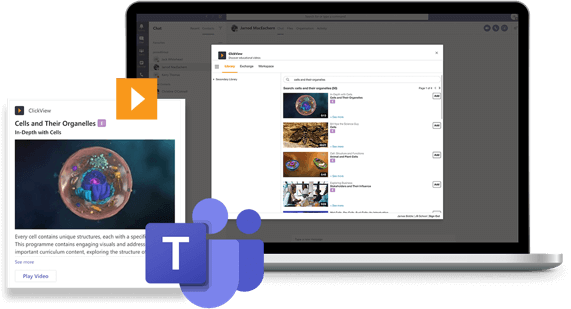
- Google Classroom and Microsoft Teams – popular choices across the world.
- Google Workspace apps – docs, sheets, Jamboard and slides allow students to collaborate on class assignments.
- Quizlet and Kahoot! — online quiz generators that are excellent for doing reviews.
- Mote – Provide voice feedback to your learners, saving you time.
- and Oxford University Press — worldwide free resources for teachers.
Remember that teachers worldwide are in a similar position. Even after COVID, there will still be many who continue to use online teaching as part of their courses and delivery. Do some research and get linked into education networks around the globe to see how everyone is dealing with learning from home.
5) Advice on Giving Instructions
The dreaded “I don’t know what to do…” and similar statements are a significant hurdle to productivity. Your students need to learn how to solve their problems by being more accountable in their learning because you’re not there to help them in person.
If repeating instructions has been driving you crazy, try the following:
- Post instructions in your VLE and refer your students to check back over these
- Read the instructions out loud together as a class.
- Ask several students to explain the instructions in their own words.
- Ask students to check off that they’ve read and understood the instructions.
- Write out all instructions as steps and ask the student which step they’re having trouble with.
- Have students write questions specifying their problem instead of asking you.
- If possible, record lessons for students to watch.
- Pair students for initial exercises to problem-solve together.
A benefit of online learning is that you have a clear record of what you have taught and who has participated (e.g., Google Classroom’s View all your students’ work).
Finally, emailing parents your outline for classes can help them to support their children at home. Asking them to write a quick email acknowledging they have read and understood your email can help alleviate frustrating interactions when people don’t read the instructions.
6) Lesson Planning
Rethink your traditional lesson plans. Make your lesson focus explicit, and don’t be too ambitious trying to meet syllabus outcomes. Consider what needs to happen when you are live with your students to support their success when you have with them.
Some questions worth asking include:
- How often will you meet with your class?
Realistically, remote learning will significantly reduce instruction time. Try to make the time you have work efficiently. For example, do students need to read or watch something online simultaneously, or could you allocate them time to do this prior so that they come ready for discussion? This can also help to keep zoom fatigue to a minimum.
- How will you structure the lesson?
Next, think about how to set up and structure your lesson and make this clear for students. Especially if it is a long lesson, sharing the breakdown at the start – 10 mins introduction, 10 min activity, 5 min break, 25 mins independent work or group activity – can help your students prepare to stay focused on their schoolwork.
- How will you support students with additional learning needs?
You could consider simplifying instructions and breaking activities into more digestible chunks for students who may struggle without your regular support. It may also be appropriate to modify assessment items to focus on how well they completed attempted components instead of how much they could finish.
- What happens when students are unable to meet or connect?
Your school may loan textbooks and other resources for homework. Also, think about utilising breakout rooms and online collaboration to connect students with their peers to learn together. If someone has been unable to join a lesson, their group members can support catching them up. Ensure students know how to access materials and navigate online platforms, and practice with them if you can.
- Where will students be able to access the learning materials and instructions?
You could have a script or notes from the lesson ready to share centrally. Consider making this available to all because it can be helpful for all students to refer to and any parents who may be supporting their children.
- How are you going to assess student learning?
Finally, you need a way to measure student achievement of learning outcomes during remote learning. Remember that the way you have marked and provided feedback in the classroom is different to online. Think of the purpose and how you can allow the students to read and reflect on your feedback.
(Tip: You can easily build formative assessment into interactive learning activities.)
Summative assessment tasks should not be easy for students to Google. Setting a group assignment that requires them to use higher-order skills and creativity while placing accountability on students to their groups can be a helpful assessment strategy. Develop explicit marking rubrics and learner contracts to facilitate the process.
Research indicates that students will need extra instructional support when they get back to school. This reflects the challenge of lesson planning for online classes. Keeping learning outcomes explicit and straightforward in each lesson will help your students achieve.
7) Maintaining Student Engagement
A recent report stated that social isolation and student wellbeing ranked above learning loss for teachers’ concerns about online learning. Maintaining your relationship with your students and their connection to their peers is critical for their social development, mental health, and engagement with their studies.
While students are learning remotely, the following suggestions have been made:
Personal:
- If you aren’t going live with students for online lessons, consider how you will check in with your students’ wellbeing
- Set tasks that require group work or collaboration with peers
- Maintain contact in numerous ways (e.g., via email, blogs, video, chatroom, and chosen learning platform)
- Host fun events like trivia, virtual show-and-tell, costume day, and background design theme challenges
- Direct them to counselling services or support unit if needed
Educational:
- Develop a schoolwork timetable for students each day
- Adjust the difficulty of content so it’s suitable for independent work
- Deliver content in manageable chunks and allow the opportunity for practice
- Set frequent due dates for small units of work and encourage collaboration
- Remember various resources can often be found online or possibly loaned out by your school to support learning (with a reliable source)
- Be creative when using online resources and interactive activities for classwork
- Make sure to deliver regular feedback and answer questions promptly
- Ensure you have practices in place to check who is completing work and how you will follow up with your usual expectations
During lockdown and social distancing periods, let your virtual classroom be a safe place for your class to feel more connected. A welcoming environment will help maintain everyone’s motivation to be present for classes.
8) Asking for Feedback
There are going to be kinks to iron out, and unforeseen difficulties arise. Devising a system for students to tell you what is working and what is not will be necessary.
Encouraging your students to help make their remote learning experience better may involve:
- Utilising the first lesson to go over the chosen online platform and allow students to ask questions.
- Organising an online suggestion box.
- At the end of each week, directly ask students to discuss their ideas on how to improve the class, what their preferred activities are, and how much time they can spend completing their work.
- Creating targeted surveys with Forms to get feedback from the students.
- Forming a student support group with several volunteers from your class who will talk to their peers and deliver feedback to you at set times.
- Promoting the idea that you’re in this together to help foster rapport.
Your expectations should be flexible until you understand how each student is completing the homework. It will be as much of a learning experience for them as it is for you, especially if you’re not accustomed to online teaching.
9) Communication and Partnerships
An NFER study reported that teachers had experienced improved relationships with parents and carers who have become more aware of their child’s learning. The importance of communication with families is reiterated by Ofsted reports concerning the most vulnerable students in our schools.
Strengthen the relationships between your students’ parents and carers by:
- Asking them their preferred method of communication
- Using the 3 x 3 – send the information by group email, a text asking to check emails, and by mail
- Being consistent in communicating changes and updates
- Scheduling meeting times – for everyone as a group, and times when individuals can contact you
- Listening to feedback about their concerns supporting their children at home, and making reasonable accommodations
- Directing them to school counselling services if needed
Make sure that you set and maintain clear boundaries. The NEU offers sound advice for calling pupils at home. There are times when peoples’ patience will be tested, but having a solid structure to communicate with home will help alleviate anxiety and make everyone feel more supported.
Final takeaway tips
- Be your best version online – sound / visual / background / family / pets etc
- Use technology to enhance and support – online collaboration is a great way to engage your students also empower your students to be creative give them a selective choice over how they present what they have learned
- Ask what inspires your students – it’s just as challenging for them
- Set goals – use your learning objective and success criteria or rubrics
- Keep it interactive and engaging
- Break down the lesson – if students need to be ‘online’ for 1 hour, be sure to set breaks in
- Value your students – their wellbeing is most important
- Be patient – you and your students are bound to experience some frustration, but understand that it’s normal, and if you’re patient, you’ll soon reap the rewards of creating a positive online learning environment for you and your students.
Learn more about ClickView
ClickView has an extensive library of educational videos and teaching resources. Discover how the ClickView Team can help your school use video effectively for deeper subject understanding in the classroom.
Share to
Other posts

Want more content like this?
Subscribe for blog updates, monthly video releases, trending topics, and exclusive content delivered straight to your inbox.