
4 Instructional strategies for teaching social studies
Published on 7 min read

In this guide
Using differentiated instructional strategies for teaching social studies in your classroom is essential to driving student engagement and fostering meaningful learning. Getting your students excited about learning History and Citizenship is the key to their success in the classroom, and to yours as an educator!
1) Engaging with primary sources
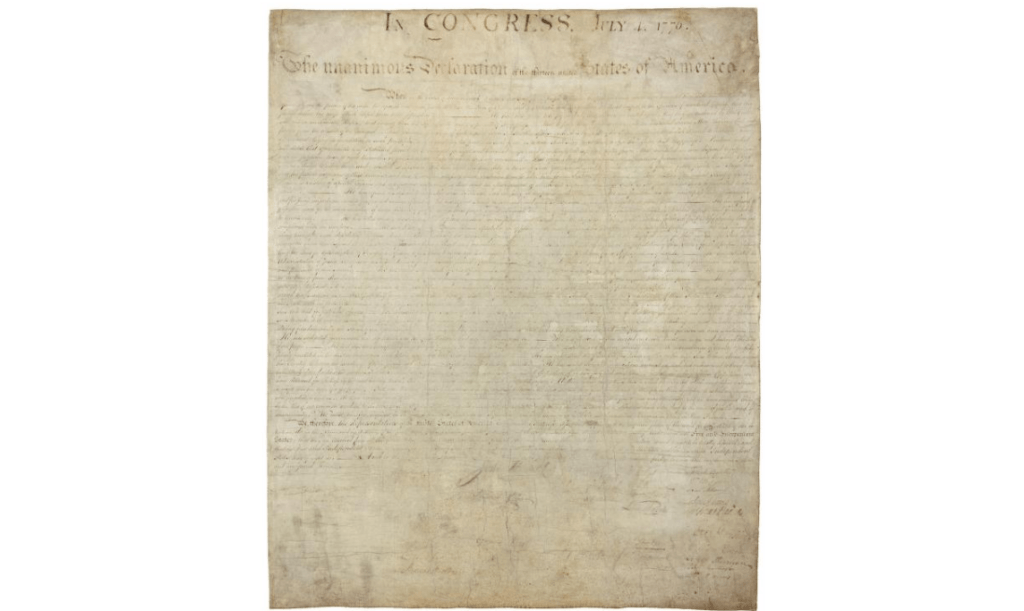
What are primary sources?
Think historic documents, authentic letters, ancient maps, and old photographs.
Why use them in my classroom?
Perhaps the best way to get your students excited about History is to let them see it with their own eyes. Analysing historical documents, photographs, and other authentic ephemera will transport your students to the period they’re learning about, and allow them to feel as if they’re discovering something new along the way.
Outside of the classroom, gathering and evaluating sources is an important skill that your students will need to navigate the constant barrage of information thrown at them in today’s media-centric world.
Where can I find them?
Check out the webpages of your local historical society or archive for free materials you can access and use in your classroom.
What are the benefits for my students?
Analysing primary sources is also essential for allowing students to learn about bias, which in this era of “fake news” is crucial.
Where do I start?
Start here: Before introducing primary sources to your students, you’ll want to go over the definitions of primary and secondary sources.
Next steps: You can use primary source documents and photographs in your classroom to enhance any unit. Before you begin, it’s important to determine how you are going to use a source in your curriculum.
Here are some questions you can ask yourself before jumping in:
- How can this source connect to what I’m teaching?
- Is this source accessible? (Is it legible, and easy to decipher? If not, how can I make it so?)
- How does this source provide a connection to larger topics or issues I will cover?
- How does this source support my learning objective?
- What is the POV of the source?
How can I use it in my curriculum?
Once you’ve determined how the source can support you in your teaching, it’s time to get started! Consider using closer looking, small group discussion, and document-based questions (DBQ) when having your students analyze the source themselves.
Resources
Here’s a great guide on getting started with primary sources from the Library of Congress.

2) Visiting museums and historic sites
Why visit a museum or historic site?
Why not take engaging with primary sources a step further? Museums and other historic sites exist solely to educate us about the past, so take advantage of that! Many cultural institutions offer free or reduced-cost programming for school groups. Highly trained museum educators and docents will provide an invaluable lens to the past while your students explore the artefacts, paintings, and documents that shaped the present.
What are the benefits for my students?
Many museum educators are well-versed in teaching with inquiry-based learning and visual thinking strategies, which help create a meaningful dialogue with your students around the pieces that they’re showing. ‘Historical enquiry’ is one of the guiding principles of teaching GCSE History. Not to mention the interactive activities and touch objects many museums have on hand for students, which always make the experience extra special.
If you’re able to travel to a location you’re teaching about, do it! Historic places make the past come alive in a way textbooks, or even artefacts, never could.
What if I can’t travel with my students?
Can’t take a school trip? Hit the web! Many museums and cultural institutions offer digitised collections, online curricula for teachers structured around their collections, and even virtual school trips. As a museum educator myself, I can’t stress enough how useful museum collections are to crafting a diverse and effective curriculum.
Incorporating different types of resources from museum collections – such as paintings and artefacts – into your teaching sparks natural curiosity in your students, and enables you to differentiate for students who may not be getting much from a textbook.

Resources
Here are some resources I love:
- Online Curriculum Library from the New-York Historical Society
- Classroom Resources from the Gilder Lehrman Institute of American History
- Digital Exhibits from the Tenement Museum
- Explore the Collection at the Morgan Library & Museum
3) Reading historical fiction
What is historical fiction?
Historical fiction is a fictional narrative set in a real place against the backdrop of actual historical events.
Why use it in my classroom?
A great way to make history come alive for your students is to read historical fiction in your classroom. With so many wonderful history-based YA books out there, it’s easier than ever to find the perfect fit for your curriculum.
How can I use it in my curriculum?
A historical fiction novel can also be the basis of a unit – setting up discussions about relevant themes and assigning projects based on events in the book can easily help centre an entire term!
What are the benefits for my students?
You may wonder if fiction has any place in a social studies classroom. Sarah K. Herz, writing for the Yale New Haven Teachers Institute, argues that novels set amongst an accurate historical backdrop allow students to learn about real events through the lens of relatable characters and storylines, rather than hearing about those events in a vacuum.
“When the history teacher brings this kind of fiction into the classroom he is providing the student with another understanding of the past”, Hertz asserts. Check out the full article and her recommended implementation strategies here.

Becoming emotionally invested in the people and events they’re reading about is a sure-fire way to ensure your students are engaged with the content while aiding in their socio-emotional development. Add in some drama and some relatable characters, and voila, your students won’t be able to wait to see what happens next!

My own passion for History was sparked by sitting on the floor of my local library binge-reading the American Diaries and Magic Treehouse series. I went on to earn a Master’s Degree in history – so I’d say historical fiction definitely worked for me.
Some sceptics will worry that their students will have difficulty differentiating between fictional representations of historical events and hard facts. This actually provides an excellent opportunity to explore historical perspective-taking and to critically evaluate the past in a fictional setting in your classroom. Be sure to reinforce the facts you need them to take away, and explore fact vs. fiction.
Resources
Here are some of my favourite historical fiction novels suitable for all ages:
- Sophia’s War: A Tale of the Revolution by Avi (American Revolution)
- The Book Thief by Markus Zusak (WW2)
- Orphan Train by Christina Baker Kline (Great Depression)
- The Boy in the Striped Pyjamas by John Boyne
Check out some more recommendations by Book Riot here.
4) Classroom debate
What is a classroom debate?
Do your students love to argue? Why not make the most of it? History is the perfect subject to have students pick a side and debate it out. Some of my most memorable classes – both when I was a student myself and when I was a student teaching middle school social studies – happened when the desks were pushed to either side of the classroom and a hot topic was being discussed.
What are the benefits for my students?
Hosting debates in your classroom is an ideal way to foster participation in a meaningful way, all while getting your students to do some serious critical thinking. Not only is debate in the classroom a key part of KS3/4 Citizenship, it’s also incredibly engaging for your students. In a debate, students are offered the rare opportunity to bring their own thoughts and experiences to the table.
John Poddany, author of The Positive Effect of Debate Inside the Social Studies Classroom argues:
More so than any other content area, the social studies content area brings in subject matter that can have a different meaning based on a student’s race, sexual orientation, religion, and/or nationality. Allowing students to lead the discussion surrounding a subject at hand can open the door to others having a better understanding of how the topics are portrayed by others. All of this leads to the possibility of students having a deeper understanding of the material.
Read the full article from Learning to Teach, A Publication of the Department of Teacher Education, here.
How can I use it in my curriculum?
Having your students prepare for the debate is essential – how you choose to do so is up to you! Term-long research projects will set your students up with a deep understanding of the issue. A quicker turnaround from assignment to argument will teach them to think on their feet. However, you choose to implement your debate, make sure your students know it’s all in good fun.
Need some ideas for debate? Check out 29 Interesting debate topics for kids of all ages.
Share to

Jessica Pastore
briefcase iconMuseum educator
Jessica Pastore is a museum educator living and working in New York City. Her background is in social studies education and world history. She has taught in both classroom and gallery settings for the past ten years.
Other posts



Want more content like this?
Subscribe for blog updates, monthly video releases, trending topics, and exclusive content delivered straight to your inbox.