
7 Effective strategies to prepare students for standardised assessments
Published on 7 min read

In this guide
Understanding the importance of standardised assessments
Feared and loathed by teachers, parents, and students, standardised assessments are nobody’s favourite. The spectre of assessing often lingers over the school year, strangling the curriculum and holding any opportunities for informal learning hostage.
Unfortunately, standardised assessments aren’t going anywhere anytime soon. Whilst despised, these assessments do serve an important purpose. Standardised assessments provide data indicating student performance in various topics across schools and areas, highlighting where benchmarks are being met or where a curriculum may need improvement.
Another unfortunate reality of exams is that teachers and schools are often evaluated based on overall student performance. Teachers sometimes run the risk of being penalised for a class that’s underperforming.
So, if standardised assessments are here to stay, what can we do to make sure our students are as prepared as they can be?

Strategies for teaching assessment-taking skills
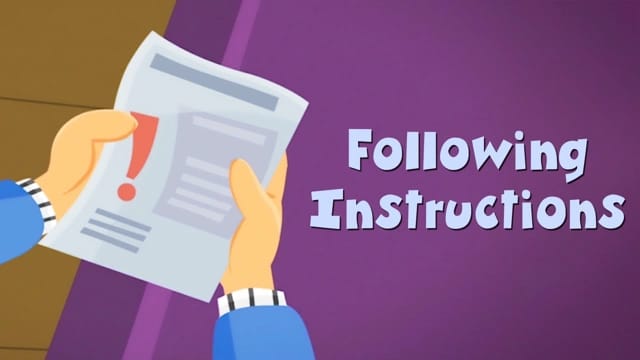
1) Practise reading instructions carefully
I’m guilty of forging ahead on assignments when I think I know what to do, and I’ll bet your students are too. It’s especially challenging when you see a question and immediately know the answer – you may be excited and eager to put pen to paper.
But reading instructions carefully is imperative for success on standardised assessments. I once had a teacher who gave our class a worksheet just like this one, which asks you to read all of the questions before answering any of them. The trick is that the directions actually instruct you not to answer any of the questions.
As I recall, very few if any students completed the worksheet correctly. Make sure you not only encourage your students to read and process instructions carefully, but make time to practise it!
2) Practise mindfulness

Mindfulness is the intentional recognition of one’s thoughts, feelings, and physical sensations. It’s particularly useful when you’re feeling stressed out, overwhelmed, or, simply put, like you’re losing the plot. Encourage your students to practise mindfulness both when studying and when sitting for an assessment.
Here are some prompts you can give your students to practise:
- Take a mental step away from your thoughts and remind yourself where you are.
- What do you see? Identify four things.
- What do you hear? Identify three things.
- What do you smell? Identify two things.
- What physical sensations are you feeling? Name as many as you can.
- Come back to the present moment. Remind your body that you’re in school, not on a battlefield.
- Remember that the only moment that really matters is this one – and this one is not so bad.

3) Teach anxiety management
Anxiety is a natural experience for students, but managing it effectively takes practice. Mindfulness practices, as written above, are often a huge help. Here are some other helpful videos for understanding and managing anxiety:
You’ll find more information about exam anxiety specifically further down in this blog.
4) Practise time management skills

Time management skills aren’t a study skill I ever learned in school, although I wish I had. These skills will always be important, but they definitely come in handy during a high-stakes, timed assignment like a standardised assessment.
Let your students know in advance how much time they will have when sitting for the exam. Is the amount of time comparable to something else they often do, like a lunch hour? This will provide some comparable context for the assessment time.

Have students consider –
- How will they keep track of the time?
There will likely be a clock somewhere in the room. Will your students be able to read it, or will you need to cover how to tell time using an analog clock? - Are they allowed to wear a watch? Or will an invigilator be calling out the remaining time?
The more info you have ahead of time, the more you can prepare your students. - My most important time management tip for assessments is to make a plan!
On the exam, will there be different sections? Different content? What type of questions will be asked?
These are all important considerations when it comes time for your students to plan how they’ll manage their time. For example, if the assessment has two sections and they have 90 minutes, it’s logical to dedicate about 45 minutes to each section.
If there’s a section they might struggle with, let them know that it’s okay to plan to spend more time on it, as long as they leave themselves enough time for the remainder of the exam. Take some time during class to cover possible scenarios so that your students can form a plan ahead of time.
Remember, failing to prepare is preparing to fail!
5) Tackle methods for specific question types
Here’s another thing I wish I had known when I was in school. There are different strategies for approaching each type of question a student might encounter. Here are some of the most common question types and how to tackle them:
Essays or long answer
- What is the question specifically asking for?
- If possible, use a piece of scrap paper or a blank document to outline your answer before putting it on the paper.
- Ensure your writing is concise and legible.
- Get to the point quickly.
Multiple choice
- Try to answer the question in your head before looking at the options.
- Read through all of the answers before choosing one.
- Eliminate options that you’re sure are incorrect.
True or false
- Read the entire question carefully, keeping in mind qualifiers like “never” or “always”.
- Identify any useful details, such as names or dates.
- Watch out for negatives that change the meaning of the question (no, not, etc.).
You can practise these question approaches throughout the year when implementing your own assessments or quizzes.
6) Sensory hacks

This may be a controversial one. But science has proven that activating our senses when learning or studying can create associations that help us recall a memory later on.
Have you ever walked into a bakery and smelled something that reminded you of a childhood holiday? Or put on some sunscreen and instantly wished you were at the beach? There’s a reason for that, and you can use it to your advantage.
If it’s possible in your classroom, consider plugging in an air freshener or introducing another scent when doing standardised assessment prep. Break out that scent again during the assessment. The olfactory memories should come flooding back!
The science is less clear on whether sound invokes the same memory response. However, we do know that music can help reduce anxiety, so don’t be afraid to put on some calming background music when preparing for standardised assessment.
7) Practise papers
And last but not least, past papers are always a reliable standby. Not only will you and your students get a sense of what content could do with revisiting, the implementation of it will allow you to simulate authentic exam conditions and ensure that your students aren’t taken by surprise by the real thing.
Reducing exam anxiety and building confidence
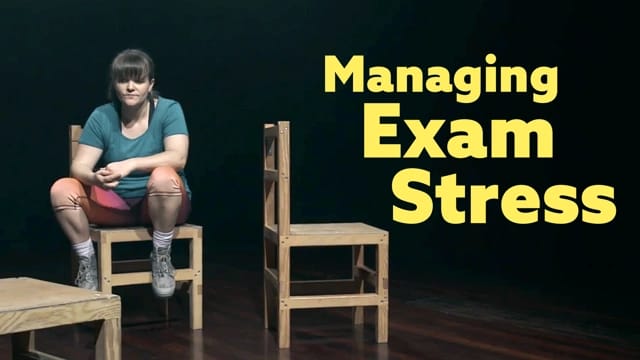
It’s totally normal and even expected that your students feel some anxiety before sitting for a standardised assessment. Exam stress is a real thing, but you can help your students manage it. Here are some of our best tips for overcoming student exam anxiety.
One of the best ways to reduce anxiety and build your student’s confidence before exam day is to communicate with them openly about what to expect. Clearly outline the structure of the assessment and what content it will cover. Finally let them know in advance what exam day will look like and if it will differ from a normal day at school.
Creating a supportive learning environment
The most important thing you can do for your students is to create a supportive learning environment in which they can grow. A supportive learning environment is one that encourages asking questions, provides constructive feedback, and ensures students feel safe enough to try and to fail.
A truly supportive learning environment might look different based on your students’ needs and your school’s policies, like being able to offer extra help sessions before or after school. Some easy actions you can take today to foster this type of environment are:
- Greeting students by name when they enter the room.
- Scheduling one-on-one check-ins with students.
- Listening closely when students talk and giving them your undivided attention.
- Giving compliments or supportive feedback on assignments.
If you’re not sure if your classroom is the learning environment you’d like it to be, don’t be afraid to ask your students what they need from you. Being comfortable in the classroom goes a long way when it comes to preparing for new and scary things like standardised assessments.
Standardised assessments are something all of our students will have to face at one point or another. You can prepare them to do the best they possibly can by using the strategies above in your classroom. Never underestimate the confidence boost that being prepared and feeling supported will provide to your students!
Share to

Jessica Pastore
briefcase iconMuseum educator
Jessica Pastore is a museum educator living and working in New York City. Her background is in social studies education and world history. She has taught in both classroom and gallery settings for the past ten years.
Other posts



Want more content like this?
Subscribe for blog updates, monthly video releases, trending topics, and exclusive content delivered straight to your inbox.