
Beyond the ban: What England’s social media shift means for classroom video
Published on 7 min read
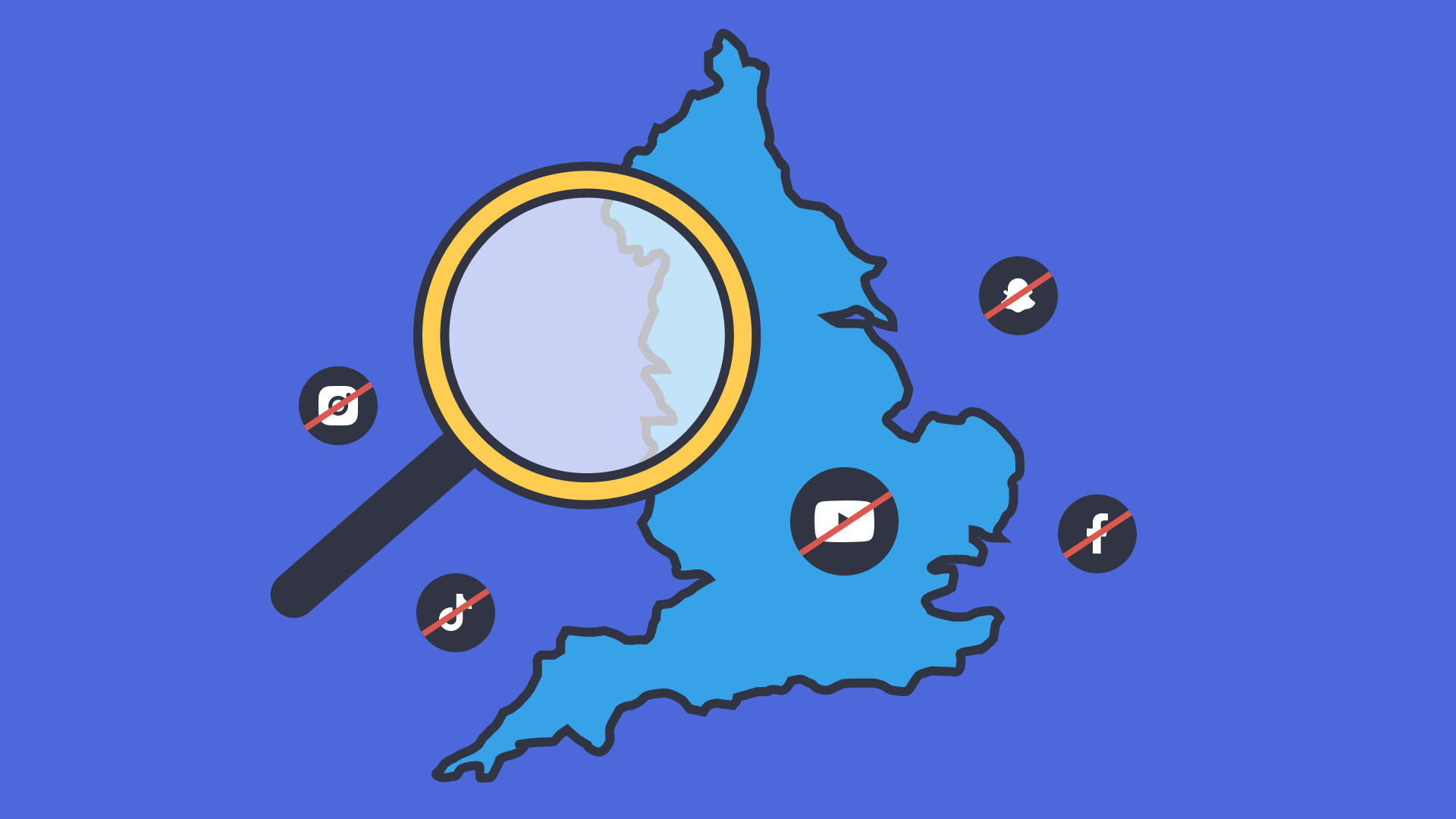

The conversation in England about children’s access to social media has shifted noticeably over the past year. What began as a question of whether platforms should be restricted is now evolving into something broader and more consequential: How the debate itself is reshaping expectations for schools, trusts, local authorities, teachers, and safeguarding systems, regardless of whether a formal ban is ultimately introduced.
Even without new legislation, the growing focus on digital harm, wellbeing, and online safety is already creating a moment of interruption for the education system. Schools are being asked to revisit long‑standing assumptions about which platforms are appropriate for classroom use, how digital content is sourced and monitored, and how consistency is maintained between home and school expectations.
In England, this moment requires a particularly considered response. Rather than centring on a binary “ban or no ban” narrative, the more pressing issue is how schools, multi‑academy trusts (MATs), and local authorities respond in ways that align with statutory safeguarding guidance, inspection expectations, and national priorities around wellbeing and child protection.
This piece reframes the discussion by looking beyond policy headlines to the practical realities emerging in English classrooms. Drawing on evidence from across the UK, insights from other jurisdictions such as Australia, and the lived experiences of teachers, it explores what this shift means for England and how the system can respond proactively, whatever direction national policy ultimately takes.
1. Where the debate currently stands in England
England continues to monitor UK‑wide evidence‑gathering around children and social media, but schools are already operating within a tightening framework of expectations. Regardless of future policy decisions, there is growing consensus that children and young people are experiencing increasing digital pressures, including:
- Digital distraction and reduced attention
- Exposure to harmful, misleading, or inappropriate content
- Algorithm‑driven experiences that undermine safety
- A widening gap between home and school expectations around platform use
In England, these concerns intersect directly with Keeping Children Safe in Education (KCSIE), RSHE guidance, Ofsted’s inspection framework, and schools’ statutory safeguarding duties.
This shift is being reinforced by active government proposals and consultation. In January 2026, the government launched a national consultation on children’s use of technology, examining a wide range of measures to improve online safety and wellbeing. This includes consideration of further restrictions on children’s online experiences, scrutiny of how platforms match or “pair” children with strangers in online games and social environments, and the effectiveness of existing safeguards under the Online Safety Act. The consultation is intended to inform next steps in national policy later in 2026.(Gov.uk, 2026)
At the same time, regulators are strengthening expectations around platform accountability following serious harm. Ofcom now holds powers to issue Data Preservation Notices, requiring online services to preserve a child’s digital data when a death is under investigation, reflecting growing recognition of the role online content and interactions can play in safeguarding failures. These developments signal a broader shift: digital environments are no longer treated as neutral spaces, but as integral to child protection systems. (Department for Science, Innovation and Technology, 2025; Fieldfisher, 2025; Ofcom, 2026)
This moment isn’t about “ban or not ban.” It is a system-wide interruption. With 91% of teachers using video to motivate students, YouTube is firmly embedded in classroom practice. Yet it remains a social media platform, subject to the same risks discussed across TikTok, X and Facebook.
2. Teachers are facing their own set of challenges
While public debate often focuses on pupil access, teachers in England are navigating an equally complex digital environment.
Key realities emerging from English classrooms include:
- Many schools, MATs, and local authorities have already limited or removed direct pupil access to platforms such as YouTube, yet this does not eliminate exposure to its risks during teacher‑led use.
- 73% of teachers report encountering unsafe, inappropriate, or embarrassing content when using open platforms like YouTube during lessons.
- Teachers report spending little or no time pre‑vetting videos, not due to a lack of professionalism, but because workload pressures make this unrealistic in daily practice.
- As misinformation and AI-generated video increase the volume and variability of online material, the challenge is compounded. Teachers are being asked to navigate a rapidly deteriorating quality landscape, often within minutes, between lessons, or during live classroom moments.
These are not individual teacher failings. They are system‑level challenges created by platforms never designed for educational use.
With the rise of misinformation and AI‑generated “slop,” teachers are finding it harder than ever to source authoritative, trustworthy materials.
For a system that places increasing emphasis on high‑quality, intentional learning experiences, this raises important questions about whether open, ad‑driven platforms align with England’s educational and safeguarding expectations.
3. What insights can England gain from Australia
International examples, including Australia, are useful not as policy templates, but as early indicators of the tensions that emerge when digital access is reassessed in education systems.
Key insights relevant to England include:
- Even where student bans exist, teachers often remain exposed to unfiltered, open platforms on school networks.
- Ethical questions quickly surface: if a platform is considered inappropriate for pupils, should teachers be modelling its use?
- System leaders recognised the need for safer, structured, education‑appropriate alternatives.
- AI‑driven misinformation made it increasingly difficult for teachers to identify accurate, curriculum‑aligned content.
For England, with its mix of maintained schools, academies, and MAT‑led governance, these lessons are particularly relevant. They highlight that changes to pupil access often trigger wider reconsideration of teacher experience, workload, and professional risk.
Australia’s experience shows that even limited restrictions can act as a catalyst for deeper system‑level change.system‑wide reconsideration of teacher experience, not just pupil experience.
4. England’s challenge: Literacy, safety, and digital wellbeing

As expectations around online safety and wellbeing continue to rise, England’s challenge is less about predicting legislative outcomes and more about ensuring schools are prepared for realities already present.
At a strategic level, this raises several core questions:
- How can online-safety education be strengthened within RSHE in ways that go beyond awareness and become embedded in everyday classroom practice?
- How can pupils and teachers be better supported to navigate misinformation, persuasive algorithms, and AI‑generated content with confidence and critical judgement?
- What guardrails, shared standards, and guidance are needed to reduce reliance on ad‑hoc, “wild‑west” solutions such as unvetted YouTube content?
- How can schools and trusts acknowledge the real workload involved in sourcing and vetting digital content, rather than placing that responsibility solely on individual teachers?
5. Questions English leaders should be asking now
This moment presents a strategic opportunity for school leaders, MAT executives, digital leads, and safeguarding teams.
A. What expectations are we setting for digital practice and why?
Schools and trusts should review whether current platform permissions genuinely align with safeguarding guidance, wellbeing priorities, and inspection expectations.
B. What evidence do we have about the real classroom experience?
Incidents involving inappropriate or distracting content are often resolved instantly during lessons, not formally logged. As a result, the true scale of classroom disruption and risk may be under‑recognised at system level.
C. How are teachers being supported to meet these expectations in practice?
If teachers are expected to move away from open platforms, they need:
- Safe, ad‑free, curriculum‑aligned video resources
- Trusted, ready‑to‑use content that reduces workload
- Clear digital‑learning guidance
- Training in safe digital practice
- High‑quality alternatives to open social platforms
D. What can England learn from global peers?
Not to replicate policy decisions, but to anticipate:
- System‑wide impact
- Implementation challenges
- Teacher wellbeing implications
- Communication needs with families
These questions move the conversation beyond access to platforms and towards building coherent, values‑led digital practice across English education.
6. In summary: Why this matters for England
The UK’s evolving conversation around social media presents England an opportunity to reflect, realign, and act.
It is a chance to:
- Strengthen England’s commitments to safeguarding and digital wellbeing
- Re‑examine what content is permitted on school networks, with particular attention to YouTube as the most widely used social media platform currently accessed in classrooms.
- Consider whether purpose-built, education-first video environments should play a greater role in supporting safe and consistent classroom practice.
- Understand the real impact on classrooms
- Reduce teacher burden and risk
- Improve consistency, quality, and safety of classroom content
- Learn from global systems already navigating similar challenges
England can shape a proactive, coherent approach, one that protects pupils, supports teachers, and strengthens trust in the digital foundations of education.
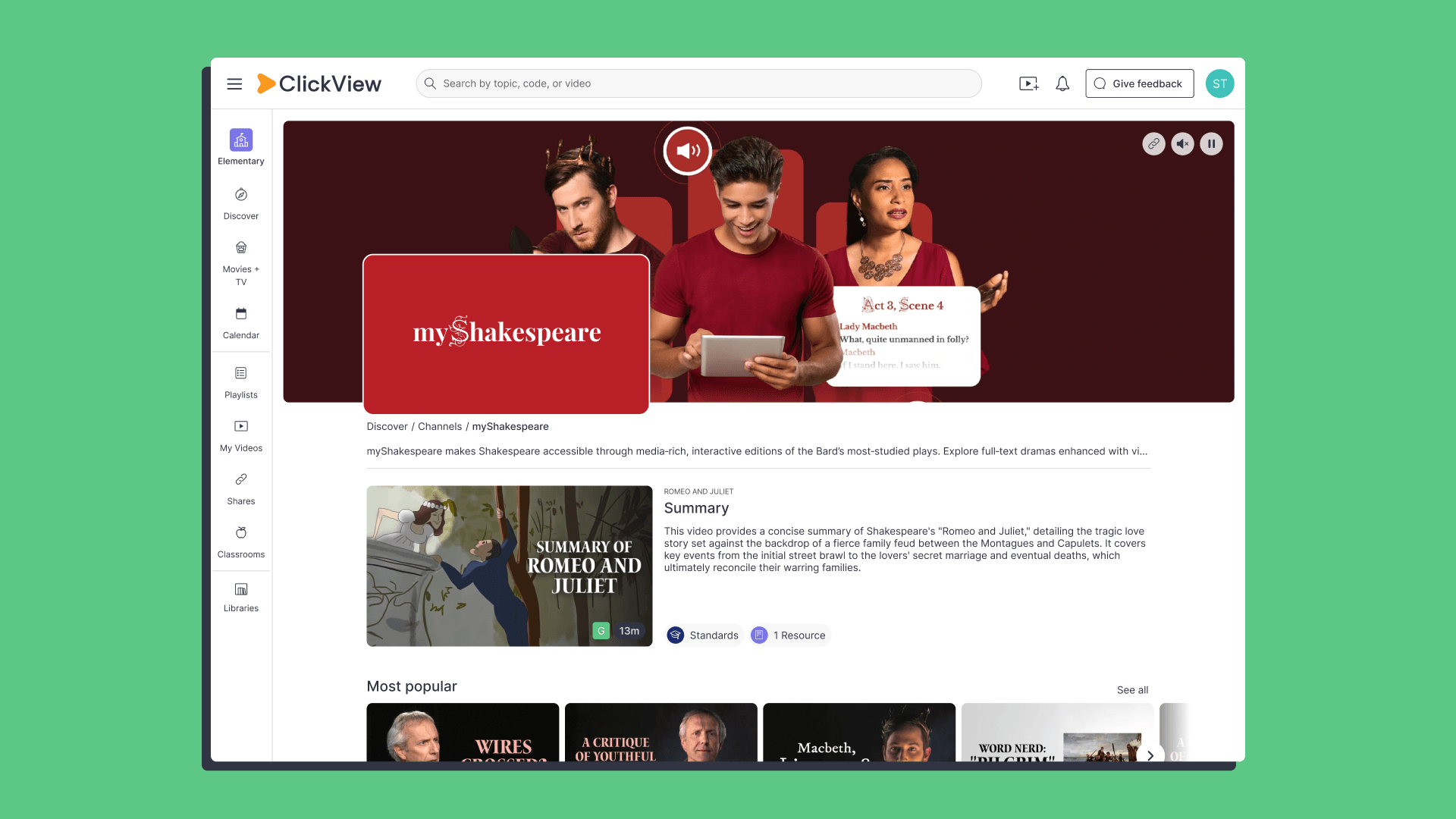
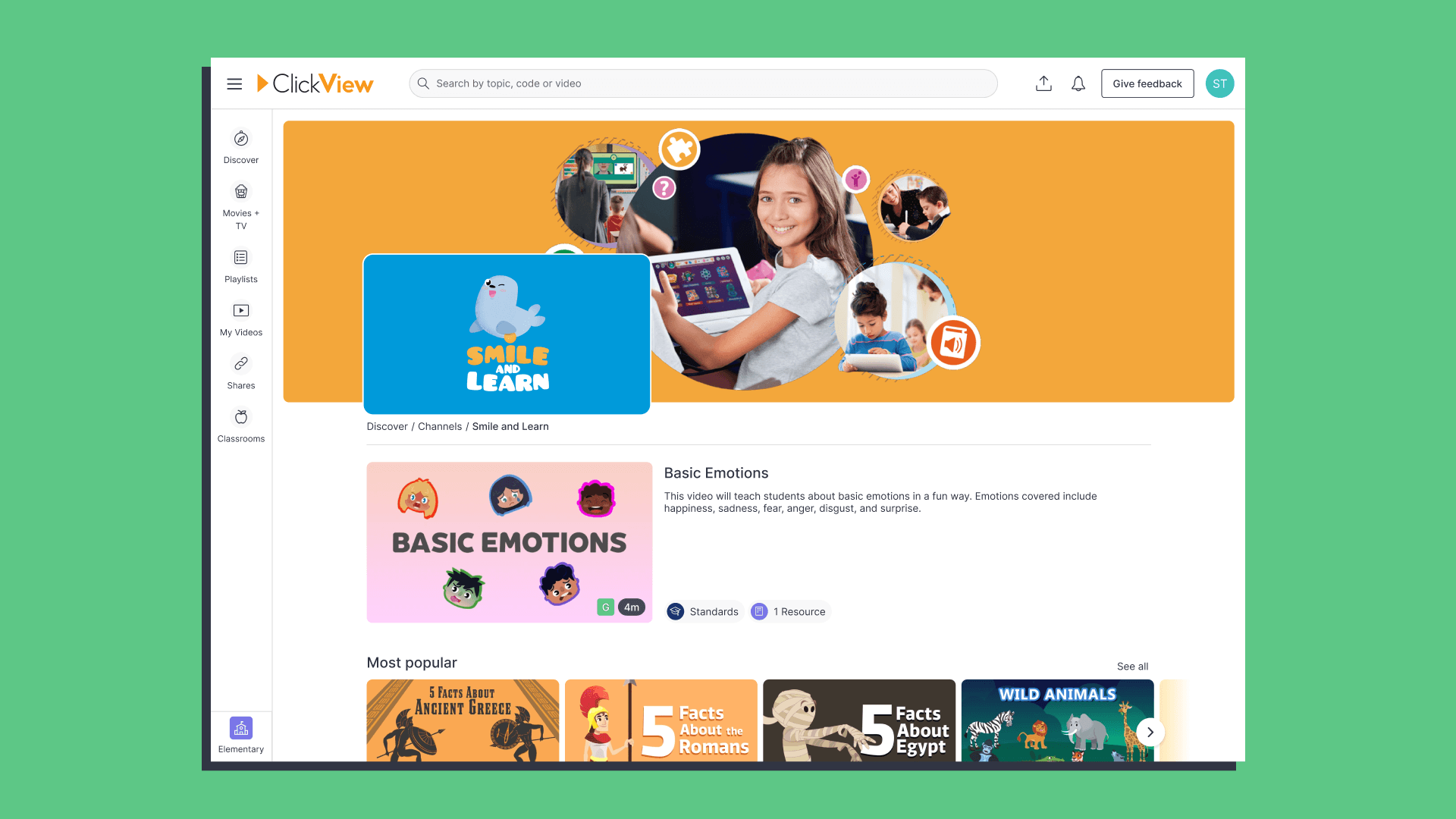
As part of this wider conversation, platforms designed specifically for education, such as ClickView, illustrate how safe, curriculum‑aligned video can support schools in meeting rising expectations around quality, consistency, and safeguarding.
If you are reviewing your approach to classroom video, we’re happy to share how other schools are thinking about safe, curriculum-aligned alternatives to open platforms such as YouTube. Request a conversation with our friendly ClickView team.
Sources
Department for Science, Innovation and Technology. (2025, April 24). Online Safety Act: Explainer. GOV.UK.
Fieldfisher. Ofcom’s consultation on preserving child data — what you need to know. October 2025.
House of Commons Library. (2026, February 9). Proposals to ban social media for children (Research Briefing CBP‑10468). UK Parliament.
Ofcom. Data Preservation Notices and Online Safety Information Powers Guidance. December 2025.
UK Government. (2026, January 19). Government to drive action to improve children’s relationship with mobile phones and social media.
Share to

Tara Walsh
briefcase iconHead of Education
A qualified teacher and human resources professional, Tara has had an extensive career as a teacher and leader in K-12, and in learning and development.
Other posts

Want more content like this?
Subscribe for blog updates, monthly video releases, trending topics, and exclusive content delivered straight to your inbox.