
7 Positive punishment examples to discipline in the classroom
Published on 7 min read

In this guide
Nobody likes being punished. As a teacher with an entire classroom to manage, you’ll eventually find yourself in a position where a student’s behaviour needs correcting. Read on to learn more about the psychology behind positive punishment, and some practical examples you can use in your classroom.
1) What is positive punishment?
At its core, positive punishment is a form of behaviour modification. Despite the name, “positive” in this case is not something pleasant. In fact, you’ll quickly learn it’s something students want to avoid altogether.
Consider a child unknowingly touching a hot stove. They get burned, and instantly learn that is something they should never do again. Their behaviour going forward has been modified by the consequences of their actions.
To really understand how positive punishment works, you’ll need a quick lesson on B.F. Skinner’s theory of operant conditioning.
Differences between positive and negative punishment
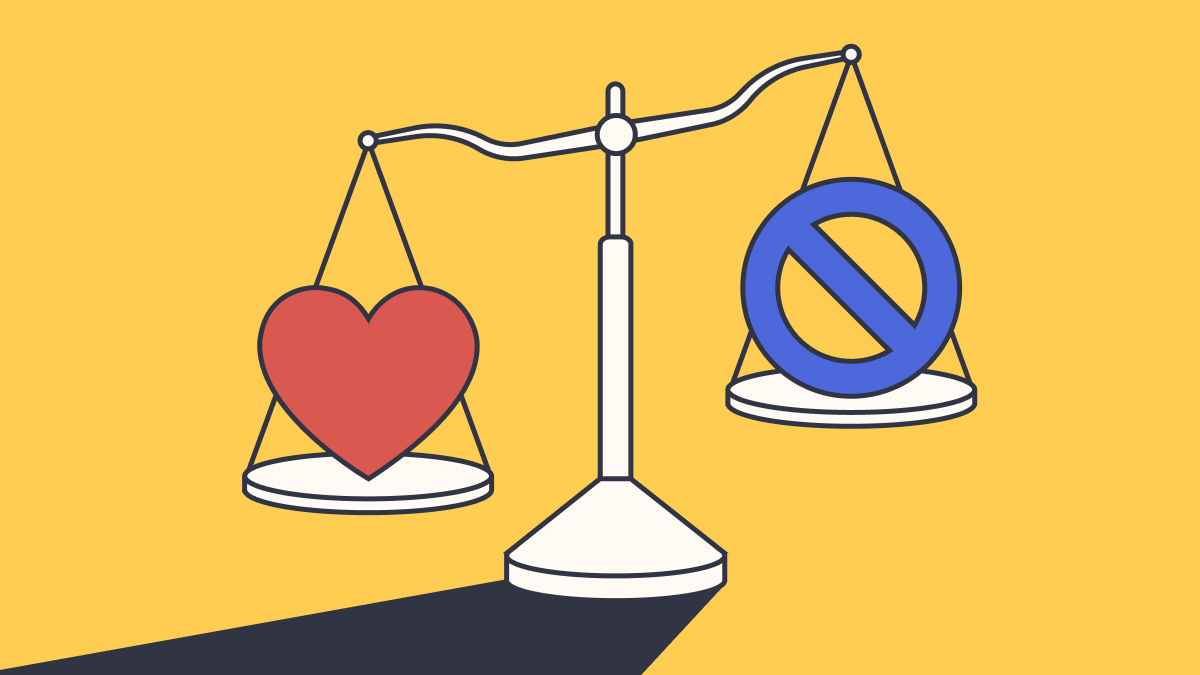
There is both positive and negative punishment. Positive punishment is adding something to a consequence, like extra homework or a timeout. Negative punishment is taking something away, like a favourite toy or screen time.
Remember that “positive” doesn’t mean good, and “negative” doesn’t mean bad in this case. It can be helpful to think of it as “plus” (adding something) and “minus” (taking something away).
2) How I use positive punishment in the classroom

When I’m managing a group of students, I like to implement positive punishments that work less like a punishment and more like a distraction.
For example, when a student is talking out of turn and making it difficult to hear whoever is supposed to be speaking, I’ll assign them a task to occupy them. This can be passing out pencils, collecting worksheets, acting as line leader, etc – whatever I could use help with in that moment!
3) Practical examples you can use in the classroom
Unsure where to start? Here are some tried and true positive punishments you can implement.
1) Adjusting the volume and tone of your voice
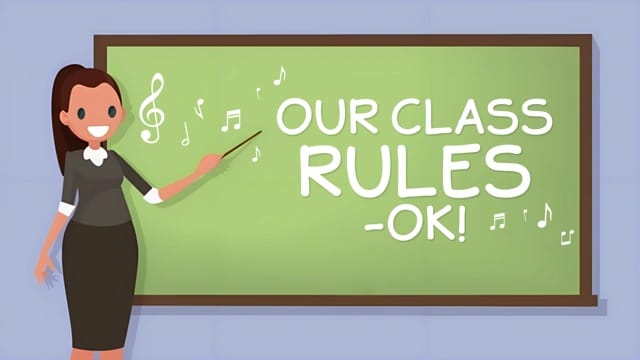
This is probably the method we’re all most familiar with. Having someone in a position of authority, in this case, your teacher, raise their voice at you is not a pleasant experience. If you’re not comfortable yelling, there are other approaches that are just as effective:
- Use a disappointed tone. For some students, feeling as if they haven’t lived up to their teacher’s expectations is humbling, and often feels much worse than being yelled at.
- Lower your voice. Villains in action movies usually speak low and slow. I’m not saying you’re the villain here – but you can certainly add an element of faux danger to a situation!
- Verbal reprimand. This can take place in front of the class or behind closed doors. A personal scolding is something a student will definitely remember.
2) Assigning an unpleasant task
Some throwbacks here: remember having to write lines or clean the chalkboard?
These are some classic tasks doled out by teachers as punishments. This type of punishment is particularly effective when it’s directly related to the unwanted behaviour. For example:
- A student acts out by throwing her papers into the air, scattering them all over the floor. A direct positive punishment is asking her to clean up the mess she made.
- A student is chewing gum in class when it’s against the rules. The student is then made to scrape old gum off the bottom of the desks in the classroom.
- A student has been sloppy with their homework assignments. The student is then assigned extra homework that will be graded, or perhaps signed by a parent.

3) Adding rules
Who likes extra rules? When a student acts out in an unacceptable manner, they’re showing you that they can’t take responsibility for their own actions.
Additional rules will not only help the student correct their behaviour, they will act as a reminder of what happens when you act out. You can try:
- Imposing time limits on free or creative time
- Establishing enforced quiet time
- Banning snacks or other treats in the classroom
And countless others that make sense for your classroom. Remember, positive punishment is most effective when there’s a clear correlation between the unwanted behaviour and the resulting consequence.
4) Removing the student from the classroom
When I was in the second grade, my teacher gave us an assignment where we were to work in pairs, and we were allowed to spread out anywhere in the classroom.
My partner and I headed to the coat and backpack closet for some peace and quiet. I got distracted by an open backpack and reached in when I saw some intriguing gel pens…
And oh boy was I reprimanded. My teacher not only raised her voice to scold me, but she sent me across the hall to sit in another teacher’s classroom. Everyone heard and saw what happened, and I was so embarrassed. I still remember it clearly decades later.
Do I think this was a little harsh for a seven-year-old? Sure. But it was no doubt effective. I never did anything to cross that teacher again.
How you choose to remove a disruptive or misbehaving student in your classroom is up to you (maybe don’t scream and make them cry), but removing them from the physical space and denying them the comfort of their classroom is a sure-fire way to end the behaviour right there and then.
It’s important to note that any punishment that involves a change of routine may not be appropriate for neurodivergent students. You know your students best, so be sure to make an informed decision when it comes to an effective and appropriate way to correct a behaviour. An alternative may look like conversation and problem-solving rather than a direct, corrective action.
5) Detention
Detention – a classic. No student wants to lose his or her free time in exchange for more school.
Having a student stay back after the school day ends or during their lunchtime gives them time to reflect on their actions, and consider why it wasn’t worth doing in the first place. This is a positive punishment that can be easily combined with others – for example, extra homework or cleaning the classroom. Just make sure you use detention wisely.
A caveat here: there has been a significant amount of research in recent years discrediting detention as an effective and equitable form of punishment. For disadvantaged students who have to work after school to help support their families, or students who rely on tutoring or other after-school activities to help them get by, assigning detention can do more harm than good. Once again, you’ll know your students and their situations best, so be sure to make informed and cautious decisions when choosing appropriate punishments.

6) Time out
A favourite of parents and teachers alike. When a student is misbehaving, remove them from the situation and place them in an area where they can decompress.
You can designate an area in your classroom for this – your students will want to avoid it at all costs! It’s worth keeping in mind that many students “act out” when they’re overstimulated – and a time out is just the thing to give them time to re-set and get back on track.
It’s important to take a structural approach to time-outs so students know what to expect. Here’s a helpful guide from the Child Mind Institute.
7) Overcorrection
Overcorrection is acknowledging an unwanted behaviour and kicking it up a notch.
For example, if your student is running in the hall and causing a dangerous situation, you may send them back to where they began and have them walk to their destination extra slowly. If a student writes on the bathroom wall, you might have them clean the entire stall.
Positive punishments are generally an effective way to correct unwanted behaviour in a classroom, but as educators, we know that every class and every student is unique. These tried, tested, and evidence-based strategies may work for the majority of classrooms, but your wisdom and experience are crucial in selecting the most appropriate and effective strategies to implement. As always when it comes to learning, consistency is the most important factor when managing your students.
Further Reading
- Nelson, Jane., and Gfroerer, Kelly. Positive Discipline Tools for Teachers: Effective Classroom Management for Social, Emotional, and Academic Success.United States: Harmony Books, 2017.
- Felix, Edwin Earl. Modern Approach To Classroom Discipline And Management: Prevention And Intervention Strategies For Students With Behavioral Problems. United States: Xlibris US, 2011.
- Smith, Dominique. Better than Carrots or Sticks : Restorative Practices for Positive Classroom Management. United States: Alexandria, VA : ASCD, 2015.
Share to

Jessica Pastore
briefcase iconMuseum educator
Jessica Pastore is a museum educator living and working in New York City. Her background is in social studies education and world history. She has taught in both classroom and gallery settings for the past ten years.
Other posts


Want more content like this?
Subscribe for blog updates, monthly video releases, trending topics, and exclusive content delivered straight to your inbox.