What UK schools can learn from Australia’s social media ban
Published on 6 min read

With the UK’s social media ban expected to come into full effect by Spring 2027, schools, MATs and LAs are already looking to Australia as the first country to introduce such restrictions, to understand the classroom impact, lessons learned and how to prepare.
The Australian social media ban
In December 2025, Australia’s Online Safety Amendment (Social Media Minimum Age) Bill came into effect, mandating that anyone under 16 cannot hold an account on age-restricted platforms, including TikTok, Instagram, Snapchat, Facebook, X, Reddit and YouTube. This came in response to alarming research connecting social media to harms, including risks to brain development, algorithmic addiction and exposure to cyberbullying, predators and harmful content. Responsibility for enforcement falls on tech platforms, with fines of up to $49.5 million AUD (approximately £24 million) for non-compliance.
Why YouTube was included in the ban
YouTube is commonplace in classrooms. A survey of Australian educators¹ found that 77% used it weekly or more often, with 82% using it to introduce new topics and 62% relying on it for lesson planning. Despite its clear educational value, the eSafety Commissioner identified it as the platform where young teenagers most commonly reported encountering harmful content. After considerable pushback from Google and the wider education community, the government concluded that YouTube’s scale, search capabilities and recommendation algorithms made it too significant a risk to exclude.
The YouTube loophole and ethical debate
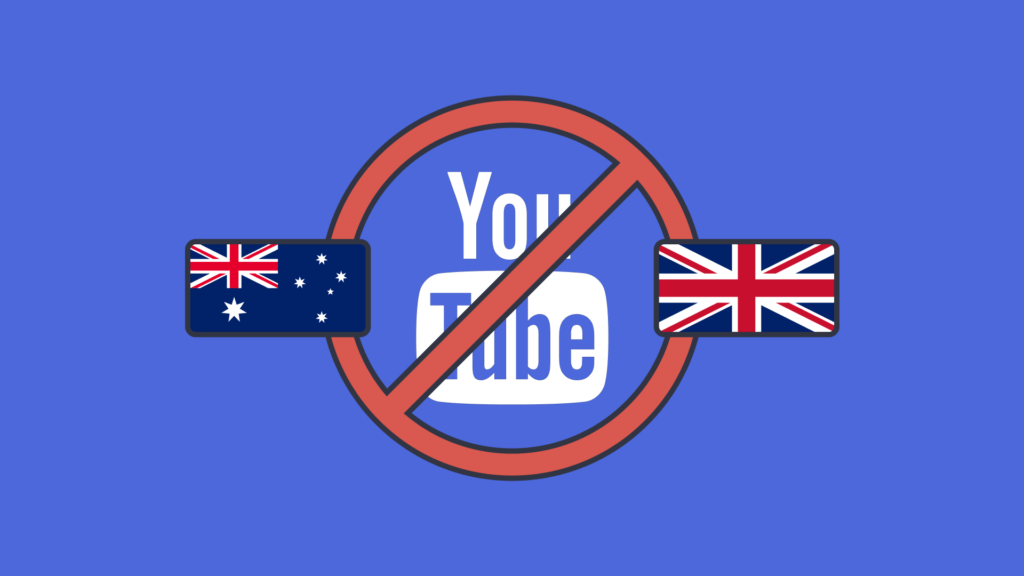
While the legislation bans under-16s from holding a YouTube account, it does not ban the viewing of public content. This means Australian school students can still access YouTube and watch without signing in. For schools, this created a grey area as teachers are still technically able to show videos via YouTube and share YouTube links with students via LMSs. The loophole has attracted significant criticism since, without a logged-in account, YouTube’s algorithm, autoplay, ads and recommended content all continue to function, meaning the very features that drove the government to include YouTube in the ban in the first place remain active.
The ethical dimension has also been widely discussed. If the government has determined that YouTube poses sufficient risk to under-16s to warrant a ban, what message does it send when teachers, the adults students look to as role models, continue to use it in the classroom? The loophole may be legal, but many school leaders have concluded it is not consistent with the spirit of the legislation or the duty of care they hold for their students.
Beyond the ethical question sits a practical one. Even when teachers use YouTube with good intentions, the responsibility for checking content, assessing suitability and managing classroom risk falls to the individual, decisions that are often made quickly and repeatedly throughout the school day. For many school leaders, this raises the question of whether ad hoc teacher vetting is a sustainable or consistent approach to classroom video use.
As a result, many education bodies across Australia have chosen to restrict YouTube access entirely. The UK government recognises this loophole, and a stricter approach to student direct access to YouTube, even when logged out, is being addressed.
What we can learn from the Australian rollout
Australian schools had just over a year from consultation to mandate. The UK timeline will likely be shorter. Three key themes from the Australian experience can help UK schools prepare.
1. Need for teacher support to feel prepared
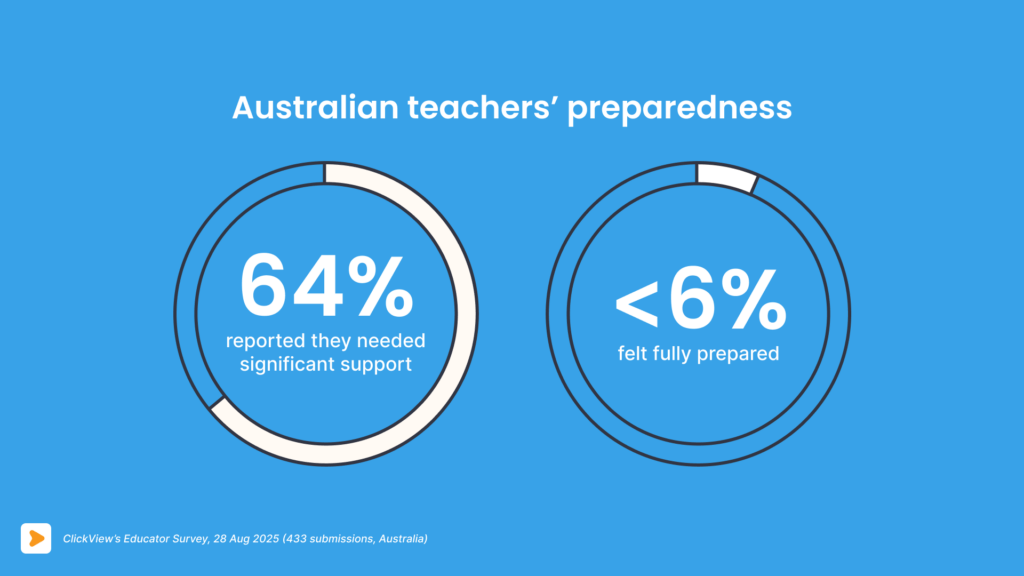
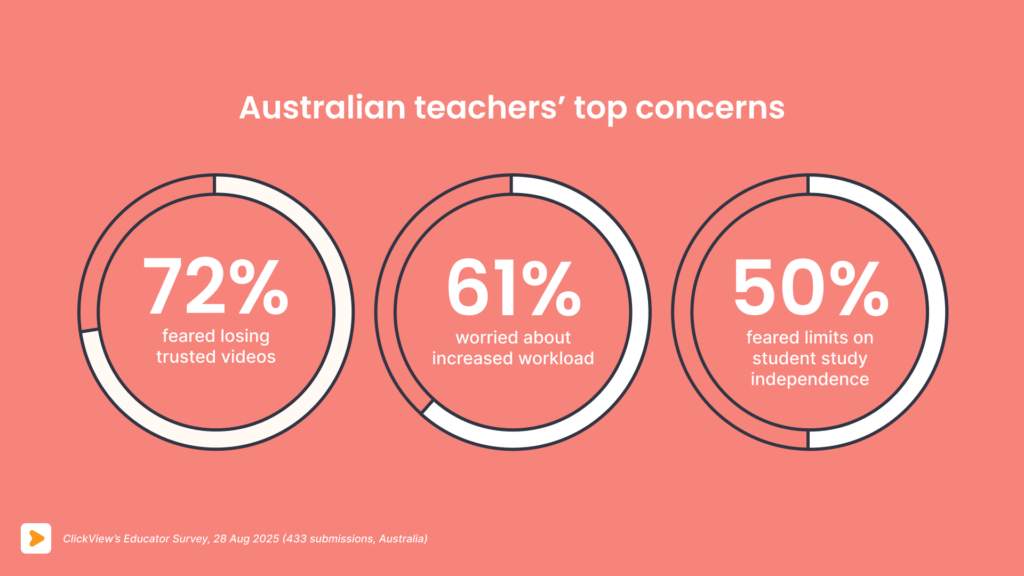
Despite having months to prepare, 94% of Australian teachers did not feel fully prepared when the ban came into effect. 72% feared losing access to trusted videos, 61% worried about increased workload and 50% were concerned about the impact on student independence. Much of this uncertainty stemmed from the grey area around the YouTube loophole and a lack of clarity on how individual schools and education bodies would approach it.
Key takeaway for UK schools: Clear, consistent communication with staff, pupils and parents on your school’s approach to YouTube will be critical in avoiding the unpreparedness felt across Australian schools.
2. Need for a school-appropriate YouTube alternative
A consistent theme across the Australian rollout was the need for a trusted alternative to YouTube. As one principal put it:
“What we didn’t want was teachers spending hours searching for free videos to replace the YouTube links in their lesson plans. That’s why we now subscribe to ClickView.”
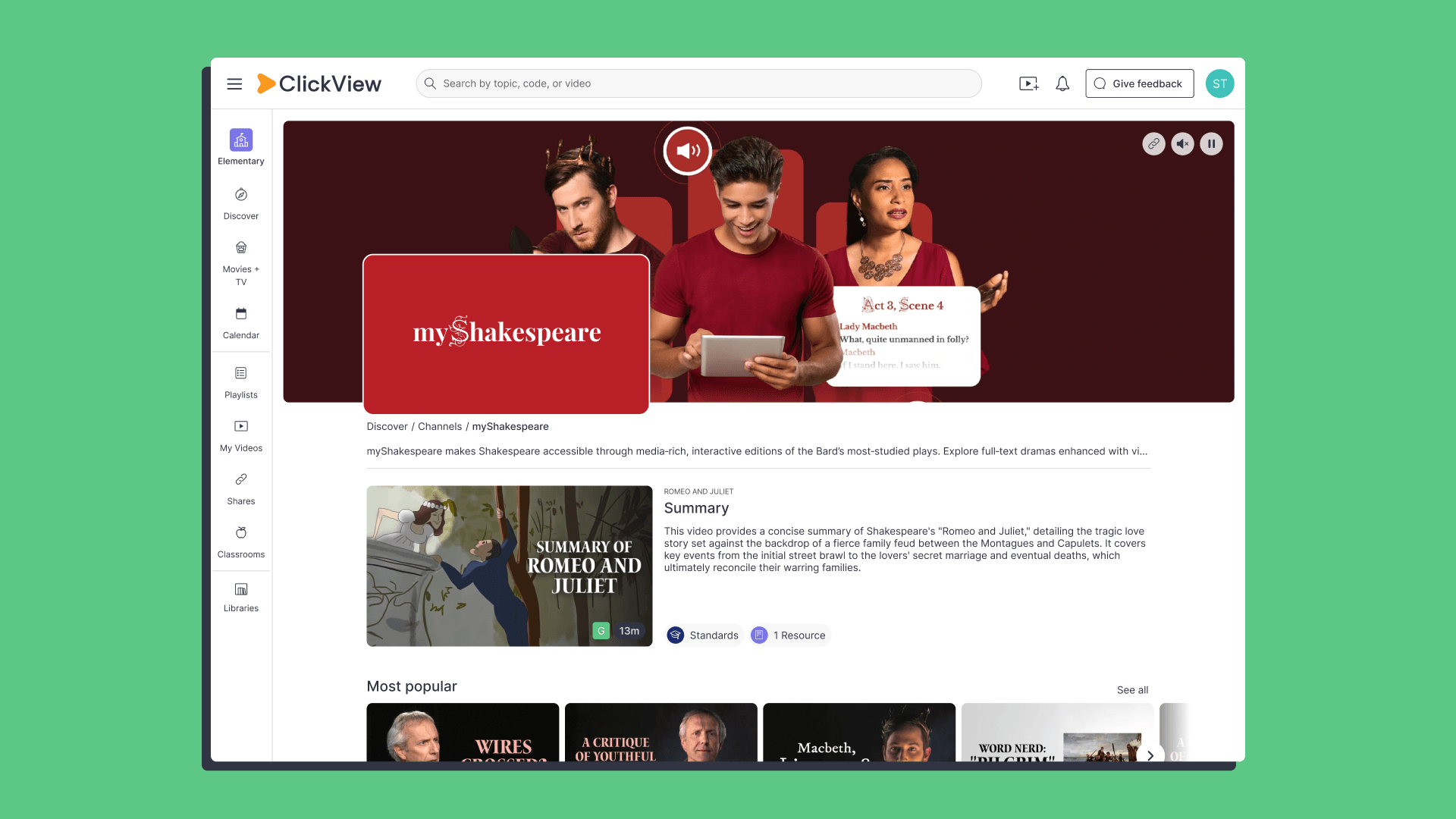
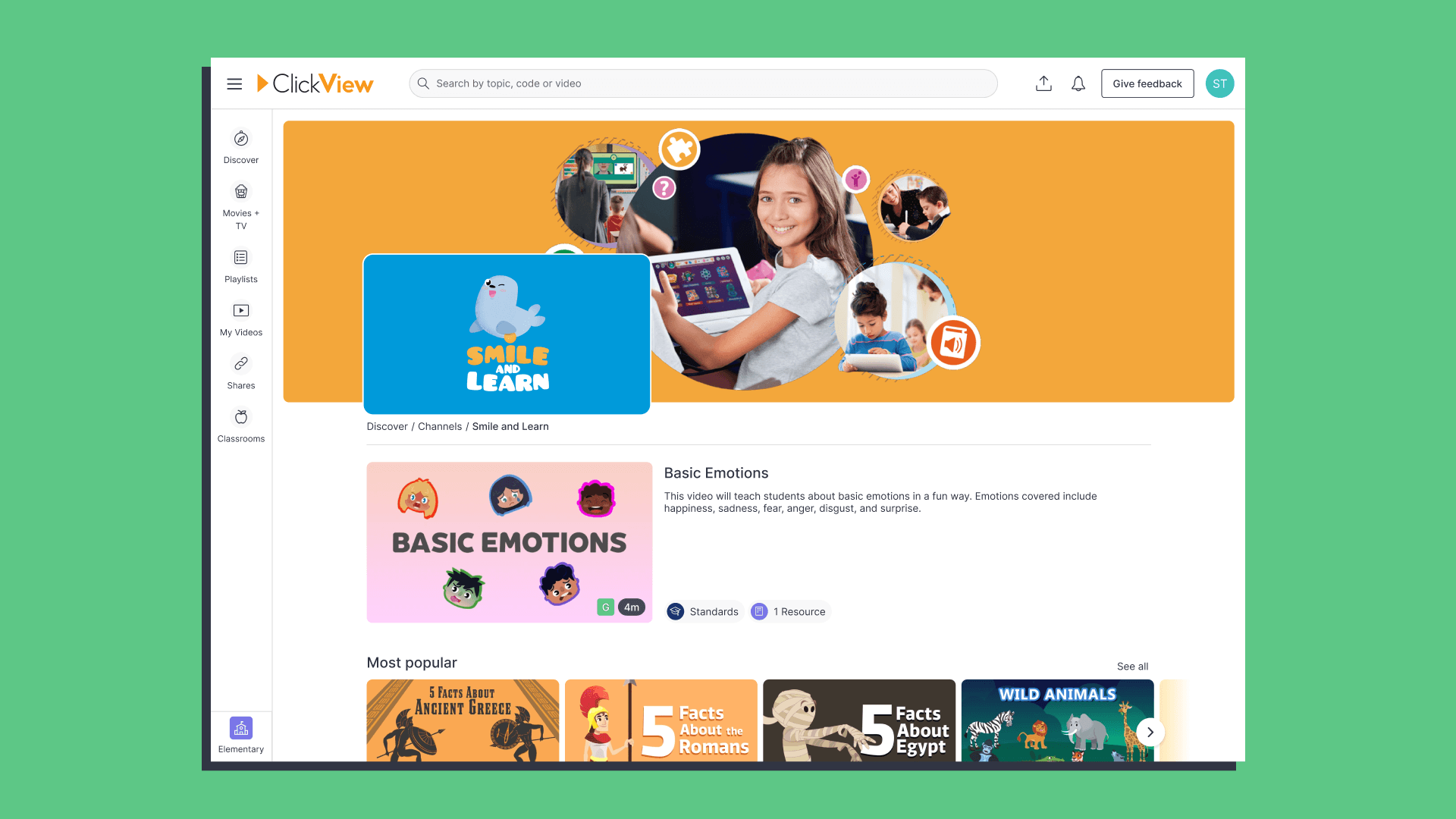
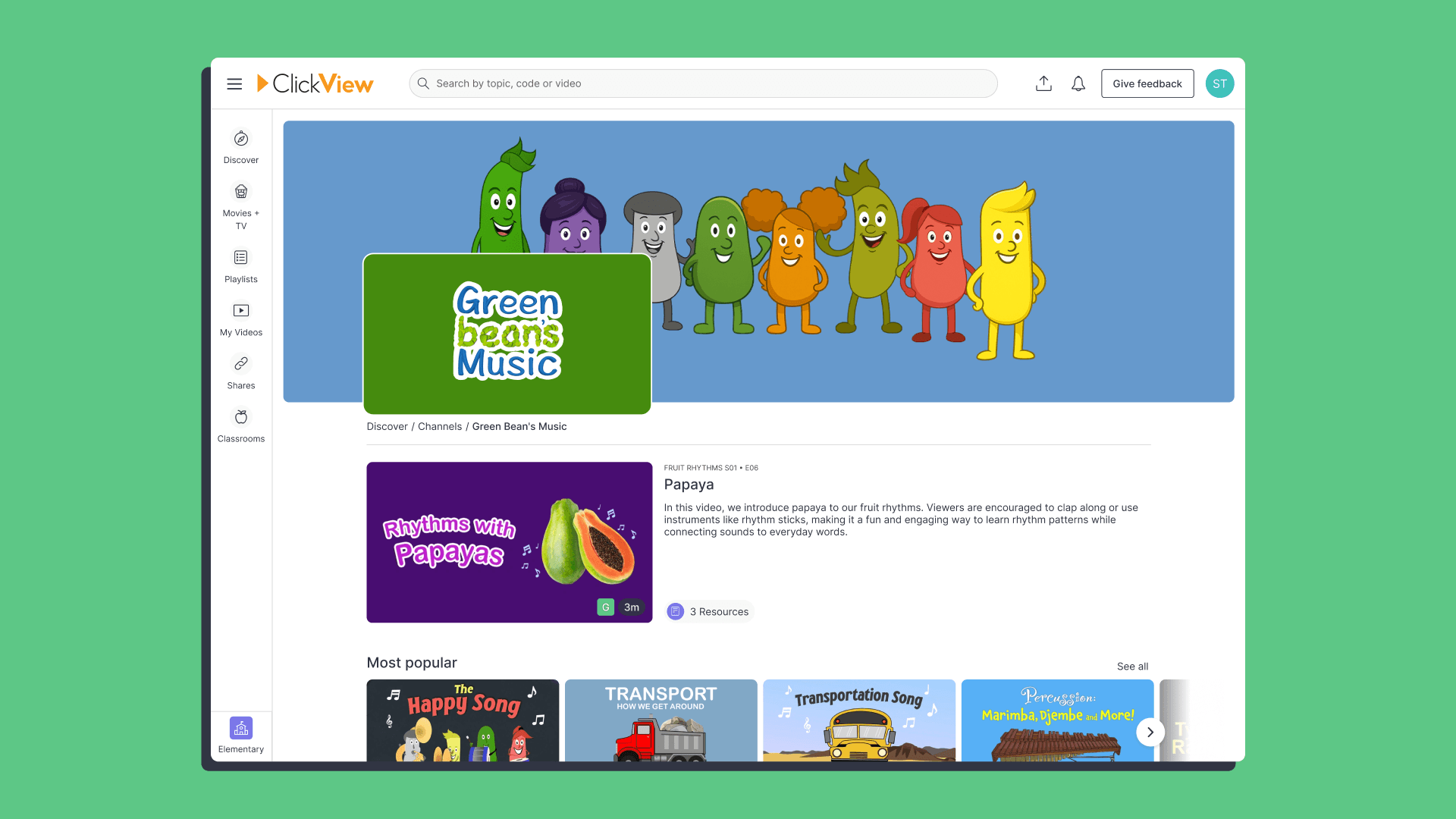
Most Australian teachers were already subscribed to ClickView when the ban came into effect, meaning most had an alternative in place from day one. ClickView also sourced video requests from teachers, ensuring educators didn’t lose content they had built into their lesson plans.
Key takeaway for UK schools: Explore your options for a safe, curriculum-aligned video platform before the ban comes into effect.
3. Need for media literacy education
Removing access to social media is only part of the solution. Schools also need to prepare students to navigate the digital world responsibly when restrictions lift at 16, teaching them to discern misinformation, identify AI-generated content, recognise advertising influence and evaluate reputable sources.

“A lack of media and information literacy accelerates hate speech and polarisation by leaving individuals susceptible to algorithmic echo chambers, confirmation bias, and disinformation. Without the skills to critically evaluate content, consumers become unintentional vectors for toxic narratives that normalise prejudice and divide societies.“
– Rosemary Smith, Managing Director, Getting Better Foundation
Key takeaway for UK school leaders: The UK is already ahead here. The new curriculum mandate includes explicit teaching of media literacy, misinformation and deepfakes across Citizenship and RSHE. Ensuring teachers have the resources and training to deliver these mandates effectively will be essential.
Research on video use in UK classrooms
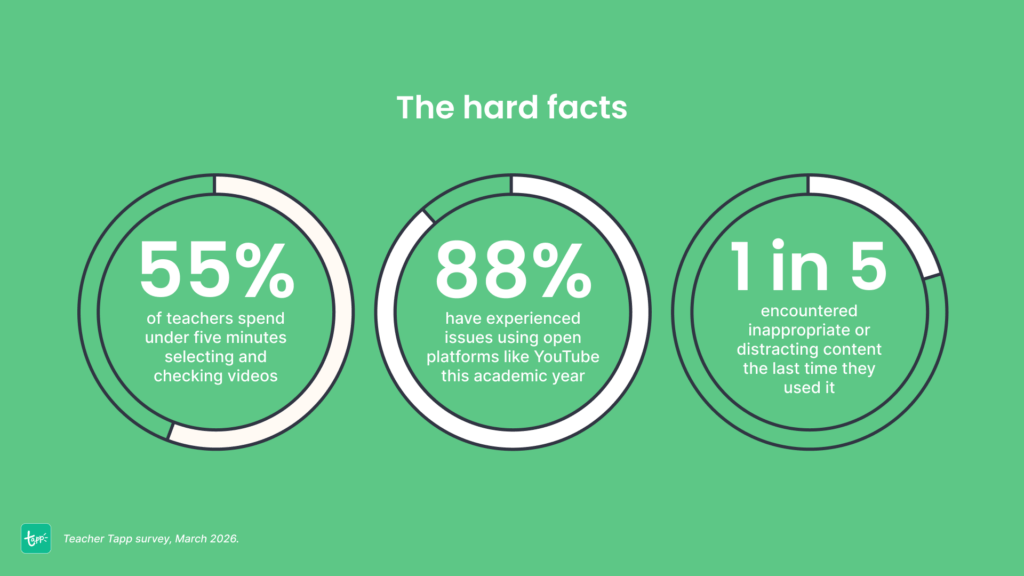
To better understand how video is currently being used in UK schools, Teacher Tapp² surveyed more than 6,500 teachers. The findings show how teachers use YouTube in the classroom, including the impact of time pressure on content selection and the frequency with which unexpected content appears during lessons. These findings closely mirror the challenges experienced by Australian schools ahead of the social media ban. With many teachers spending fewer than five minutes reviewing videos before use, responsibility for assessing suitability and managing content risk sits largely with individual staff members.
Key resources for UK school leaders and teachers
Having supported approximately 70% of Australian teachers through the social media ban, ClickView is uniquely positioned to help UK schools navigate the same transition.

“We understand that teachers rely on video to engage students and support teaching and learning, so changes affecting access to platforms like YouTube will naturally raise questions and concerns. Having supported schools through similar policy changes in Australia, we’ve seen firsthand the importance of providing schools with a safe, curriculum-aligned video platform alternative.”
– Edward Filetti, CEO, ClickView
ClickView is offering UK schools three forms of support:
- Practical resources including a checklist for school leaders, a YouTube audit template, a parent communication guide and a staff briefing template, sent directly to schools that register.
- 3 months free ClickView access for all UK schools not yet subscribed, including thousands of videos covering every subject, topic and year group to make the transition away from YouTube as smooth as possible.
- Media literacy video resources including the Social Media Trap series (exclusive to ClickView), AI and misinformation content, and Newsround episodes explaining the ban, with new videos added weekly.
Sources
¹ ClickView’s Educator Survey, 28 August 2025.
² Teacher Tapp survey, March 2026. Teacher Tapp is a UK-based daily survey of teachers, collecting responses on classroom practice and experience.
Share to

Rachel Dunne
briefcase iconMarketing and Partnerships Manager
Rachel Dunne is a passionate educator and edtech advocate with a deep belief in the power of technology to enhance student engagement, collaboration, and creativity. With over a decade of experience as a primary teacher and education consultant, she has seen firsthand how technology empowers teachers to better understand their students and personalize learning for every individual.
Other posts
Want more content like this?
Subscribe for blog updates, monthly video releases, trending topics, and exclusive content delivered straight to your inbox.